Share article:


In this article:
- Are potatoes safe for dogs?
- Are there potatoes that all dogs should avoid?
- What’s the difference between white potatoes and sweet potatoes for dogs?
- How much potato can I feed my dog?
- How should I prepare potatoes for my dog?
- Can dogs eat potato skins?
- Can dogs eat plain potatoes?
- What are signs that a dog doesn’t feel well after eating potatoes?
- How can I introduce potatoes to my dog?
Yes, dogs can eat potatoes—but there are some important caveats. Most healthy dogs can have cooked, plain potatoes as an occasional treat or topper along with a complete and balanced diet, like any recipe from The Farmer’s Dog. Always avoid raw, green, or sprouted potatoes.
And remember to keep all combined treats and other extras under 10% of your dog’s daily caloric intake.
Are potatoes safe for dogs?
Boiled, baked, or roasted potatoes that are cooked and served without butter, oil, salt, dairy, garlic, or onion are the safest forms to share with healthy dogs.
Avoid raw, green, or sprouted potatoes
Green-tinged and sprouted areas on a potato can indicate the presence of solanine, which is toxic to dogs. In small amounts, solanine can cause gastrointestinal upset. In larger amounts, it can cause neurological issues. If you’re not sure if a potato is safe, it’s always best to discard it.
White versus sweet potatoes
Both white potatoes and sweet potatoes can be safe if they’re skinless, cooked, and plain. Generally speaking, sweet potatoes are better for dogs due to significantly higher Vitamin A (from beta-carotene) levels. These are important for vision, coat, and immune system health. Sweet potatoes also contain more fiber for better digestion, have more antioxidants, and have a lower glycemic index—which helps regulate blood sugar. Both offer vitamins C, B6, potassium, and minerals, but sweet potatoes provide a more robust nutrient profile. Since both are starchy and calorie-dense, they should be served as an occasional treat in modest portions.
Keep portions small
Potatoes are carbohydrate-dense and not nutritionally complete on their own, so feed sparingly when they’re extras or treats. Veterinary organizations emphasize feeding a complete and balanced base diet, and keeping extras limited to under 10% of total calories. When potatoes are included in a balanced food formulated by board-certified nutritionists, as is the case with The Farmer’s Dog, they’re in the right proportions to support dogs’ long-term health.
How to prepare potatoes for dogs
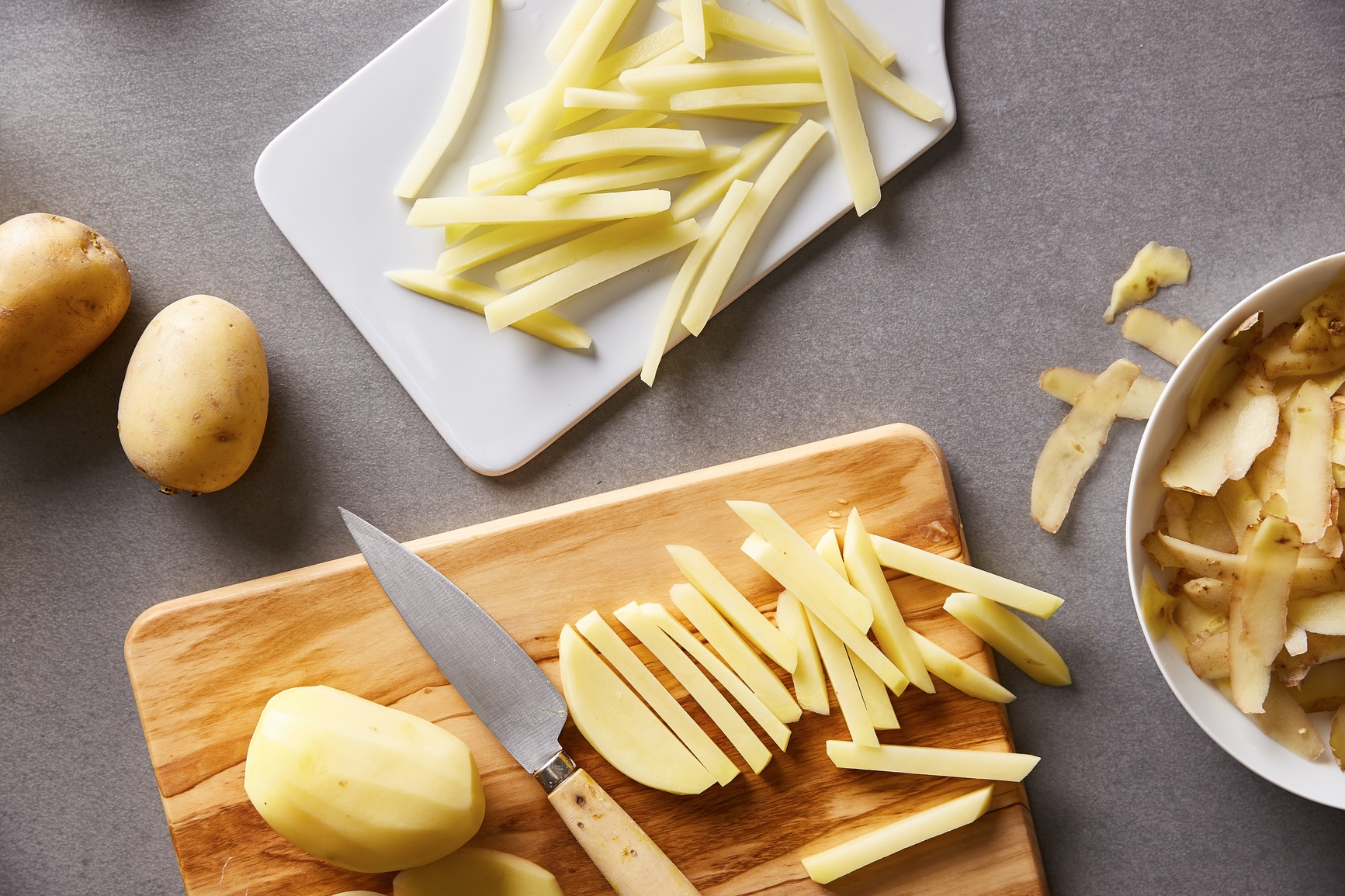
- Wash well and remove skin; trim away any green areas or sprouts (discard if green coloring or sprouts are widespread).
- Boil, bake, or roast without seasoning or oil until soft; let cool.
- Serve plain—no butter, oil, salt, dairy, garlic, onion, or spice blends.
- Offer small cubes, a spoonful of mashed potato thinned with water, or a few bite-size pieces as training treats. Ask your veterinarian what precise quantities and frequency are safe and appropriate for your dog.
Peels and skins—keep or skip?
Avoid potato skins. Potato skins can contain solanine, a compound that is toxic to dogs and may cause gastrointestinal or neurologic signs. They are also difficult to digest and offer little nutritional benefit for dogs. And don’t feed dogs any part of a potato that is raw, green, or sprouting.
Feed plain potatoes only
Skip fries, chips, tater tots, hash browns, and boxed mixes. Not only are those foods likely to cause gastrointestinal upset, but dietary indiscretion (dogs eating things they shouldn’t) can even cause pancreatitis.
Mashed potatoes with butter, cream, gravy, garlic, or onions are off-limits, too. Keep any shared tastes plain and tiny.
Signs that your dog may not feel well after eating potatoes
Introducing any new food can cause mild loose stool or gas. Repeated vomiting or diarrhea, lethargy, pupil dilation, weakness, confusion, or tremors warrant prompt veterinary care.
And if your dog has eaten any raw, green, or sprouted potato, call your vet for advice.
How to introduce a dog to potatoes safely
- Start small (one or two bites) and observe for the next 24 to 48 hours.
- Keep potatoes plain and cooked; skip consecutive-day servings if your dog is starch-sensitive.
- Track total treat calories to stay under 10% of daily intake.
- For dogs with medical conditions in particular (e.g., diabetes, pancreatitis, kidney disease), get individualized guidance first from your veterinarian.
- Always ask your veterinarian before introducing your dog to any new food.
The final word
Dogs can have potatoes as a treat or an extra when they’re thoroughly cooked, skinless, served plain, and in small portions. Avoid raw, green, and sprouted potatoes, and skip fried or seasoned dishes. And remember that for everyday nutrition, a complete and balanced food, formulated by on-staff, board-certified nutritionists, should be your dog’s primary diet.
Related Topics
Related Topics
More on Health & Wellness
Health & Wellness • 8 minutes
How to Bond With Your Dog at Mealtime
Feeding time is a built-in chance to strengthen trust and communication.
Health & Wellness, Lifestyle, Science & Research • 8 minutes
Is It OK if My Dog Licks Me?
We all know where those mouths have been.
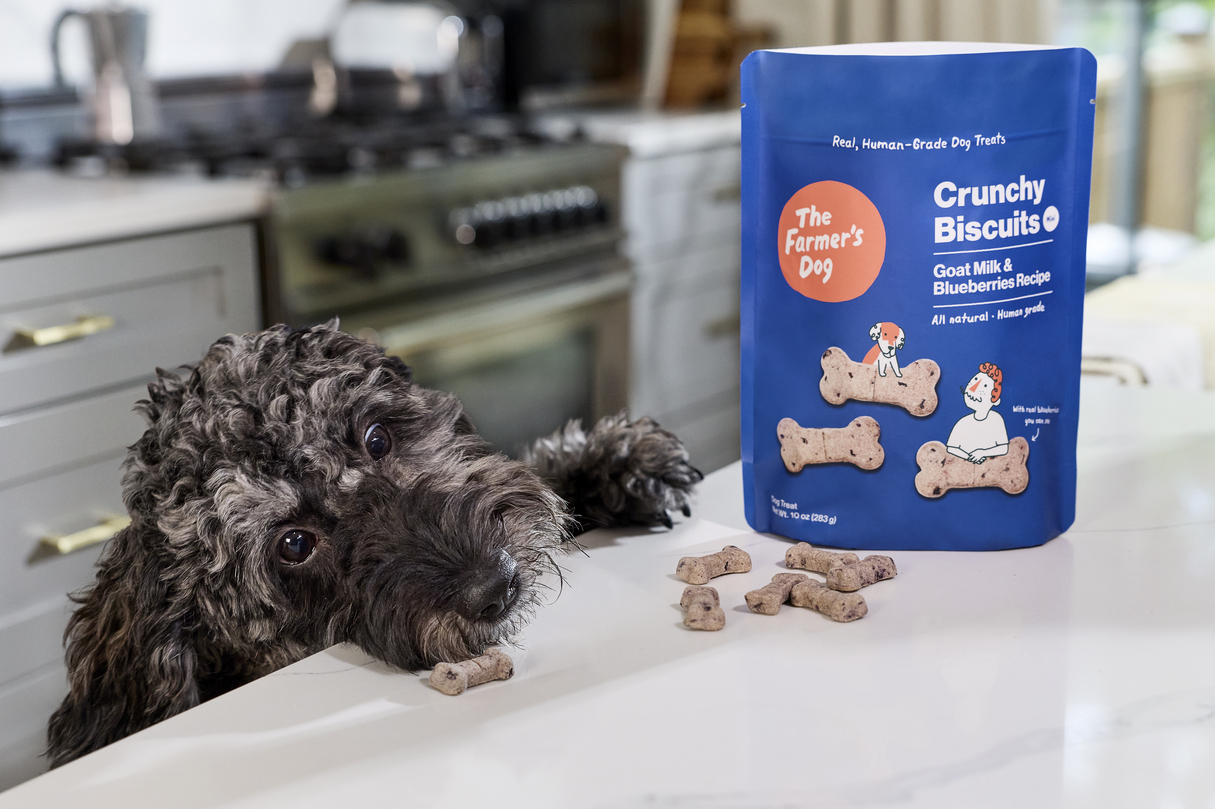
Health & Wellness, Nutrition • 4 minutes
4 Reasons to Treat Your Dog With Crunchy Biscuits
Our new human-grade treats are a healthy way to celebrate with your best friend.
Health & Wellness • 8 minutes
How to Bond With Your Dog at Mealtime
Feeding time is a built-in chance to strengthen trust and communication.
Health & Wellness, Lifestyle, Science & Research • 8 minutes
Is It OK if My Dog Licks Me?
We all know where those mouths have been.
Health & Wellness, Nutrition • 4 minutes
4 Reasons to Treat Your Dog With Crunchy Biscuits
Our new human-grade treats are a healthy way to celebrate with your best friend.