Share article:


In this article:
- Are Brussels sprouts good for dogs?
- What are the side effects of too many Brussels sprouts?
- How should I prepare Brussels sprouts for my dog?
- How many Brussels sprouts can I give my dog?
- What if my dog eats too many Brussels sprouts?
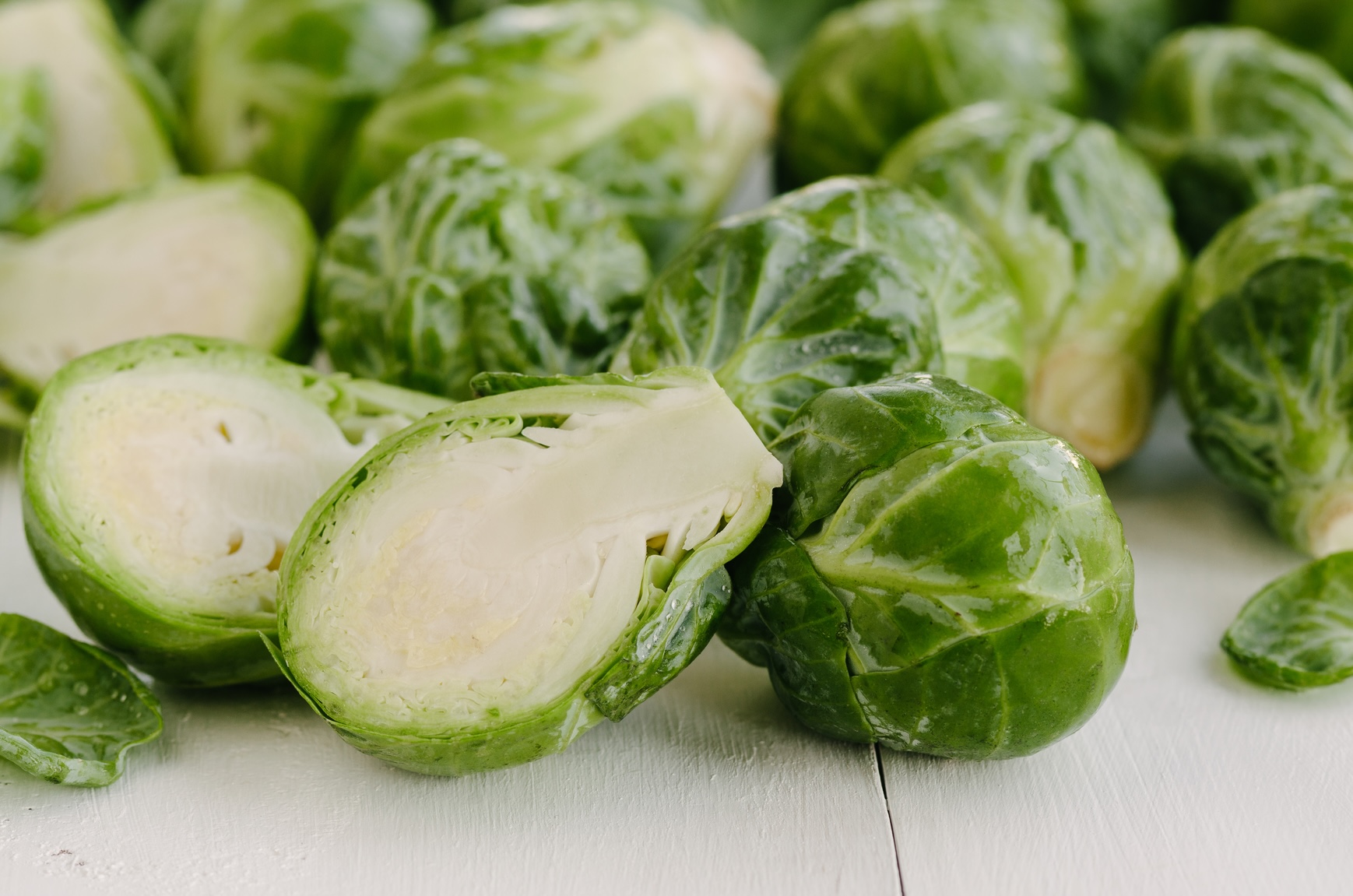
Plain, cooked Brussels sprouts can be safe for many dogs in appropriate amounts. In fact, they are an ingredient featured in some of our own recipes. They’re not toxic to dogs, and can contribute fiber and micronutrients to a dog’s diet. Still, portion size, preparation, and your dog’s individual sensitivities matter.
Remember that treats and all other extras given to dogs outside of their meals should never comprise more than 10% of their daily calories. The main source of your dog’s nutrition should be a complete and balanced food formulated by board-certified nutritionists.
Yes, dogs can have Brussels sprouts in moderation
Overfeeding Brussels sprouts can lead to excess gas, which can be uncomfortable.
But, in moderation, they can be healthy. Sprouts contain several vitamins, minerals, and antioxidants. They’re also a good source of dietary fiber, which, in small amounts, supports stool quality and satiety. Too much can cause gas or loose stool. All The Farmer’s Dog recipes are developed by veterinary nutritionists to be complete and balanced, so Brussels sprouts given as an extra—that is, in addition to your dog’s meals—should be limited to small amounts once or twice a week.
Side effects of too many and/or raw Brussels sprouts
Gas and digestive upset:
Gas happens. But since gas can be uncomfortable, avoid overfeeding Brussels sprouts. Why do they produce gas? The scientific explanation is that crucifers contain fermentable carbohydrates and sulfur compounds. In dogs, too much of those can lead to bacterial gas, which in turn can lead to flatulence, bloating, and/or diarrhea—especially if you jump quickly from giving your dog no Brussels sprouts to a large helping of them.
Raw Brussels sprouts can be especially hard on the stomach, so if you’re giving them to your dog as a treat, cook them according to the instructions below.
Medication and thyroid considerations:
Because sprouts are vitamin-K–rich, check with your veterinarian if your dog is on anticoagulant medications or is being treated for hypothyroidism.
How to prepare Brussels sprouts for dogs
Best cooking methods:
Halve or quarter larger sprouts, then steam or boil until they’re tender. You can also roast them as long as you don’t use oil or seasoning.
Never use butter, salt, chilies, or spice blends when cooking for dogs. Skip onion and garlic, too. Foods from the allium family are toxic to dogs (so no leeks, shallots, scallions, or chives either).
Fresh vs. frozen, plus safe storage:
Plain fresh or frozen sprouts are fine once cooked; avoid canned versions that often include salt and other seasonings. Refrigerate leftovers in a sealed container and use within a couple of days; reheat without oils or seasonings.
Serving sizes and frequency
Portion guide (one-time treat or mixed into a meal):
- Small dogs: About half a small sprout (a few thin slices). Make sure not to feed a whole Brussels sprout to a small dog, even if it’s cooked. This could put them at risk of an obstruction. Feed a piece no bigger than the paw pad of their pinky toe.
- Medium dogs: About one small sprout. Ensure it is sliced thinly or broken into small chunks.
- Large dogs: About two or three small sprouts. Ensure they are sliced thinly or in chunks.
Your dog can eat these extra Brussels sprouts once or twice a week.
Introduce slowly:
Start with a bite or two and watch for gas, soft stool, or discomfort over the next 48 hours. If there are no adverse effects, you can continue to feed small amounts of cooked Brussels sprouts once or twice a week.
What to do if your dog overindulges on Brussels sprouts
What to watch for:
- Excessive gas
- Bloating
- Borborygmi (or stomach noises)
- Soft stool or diarrhea
- Vomiting
- Decreased appetite
- Lethargy
Mild gas often passes, but persistent or worsening signs warrant a call to your vet.
If your dog accidentally ate onion or garlic with their Brussels sprouts, seek veterinary guidance immediately—allium foods like onion and garlic are toxic to dogs, and can cause anemia (low red blood cells) at high doses.
The bottom line
Cooked, plain Brussels sprouts can be a delicious treat for your dog when offered in moderation. But talk to your veterinarian before introducing any new food to your best friend. And remember to keep treats and other extras to no more than 10% of your dog’s calorie intake. Their primary source of nutrition should always be a complete and balanced food formulated by board-certified nutritionists.
Related Topics
Related Topics
More on Health & Wellness

Health & Wellness • 12 minutes
What Should I Do If My Dog Isn’t Eating?
Here’s veterinarians’ advice for what to do if your dog loses their appetite.

Breeds, Health & Wellness, Nutrition, Training & Behavior • 17 minutes
The Corgi Care Guide
Don’t let the tiny legs and infectious smiles fool you—these working dogs need a lot of physical and mental exercise.
Health & Wellness, Nutrition • 14 minutes
Can My Dog Eat Halloween Candy?
Many spooky-season treats are downright scary for dogs. Here’s how to keep yours safe.
Health & Wellness • 12 minutes
What Should I Do If My Dog Isn’t Eating?
Here’s veterinarians’ advice for what to do if your dog loses their appetite.
Breeds, Health & Wellness, Nutrition, Training & Behavior • 17 minutes
The Corgi Care Guide
Don’t let the tiny legs and infectious smiles fool you—these working dogs need a lot of physical and mental exercise.
Health & Wellness, Nutrition • 14 minutes
Can My Dog Eat Halloween Candy?
Many spooky-season treats are downright scary for dogs. Here’s how to keep yours safe.