Share article:


In this article:
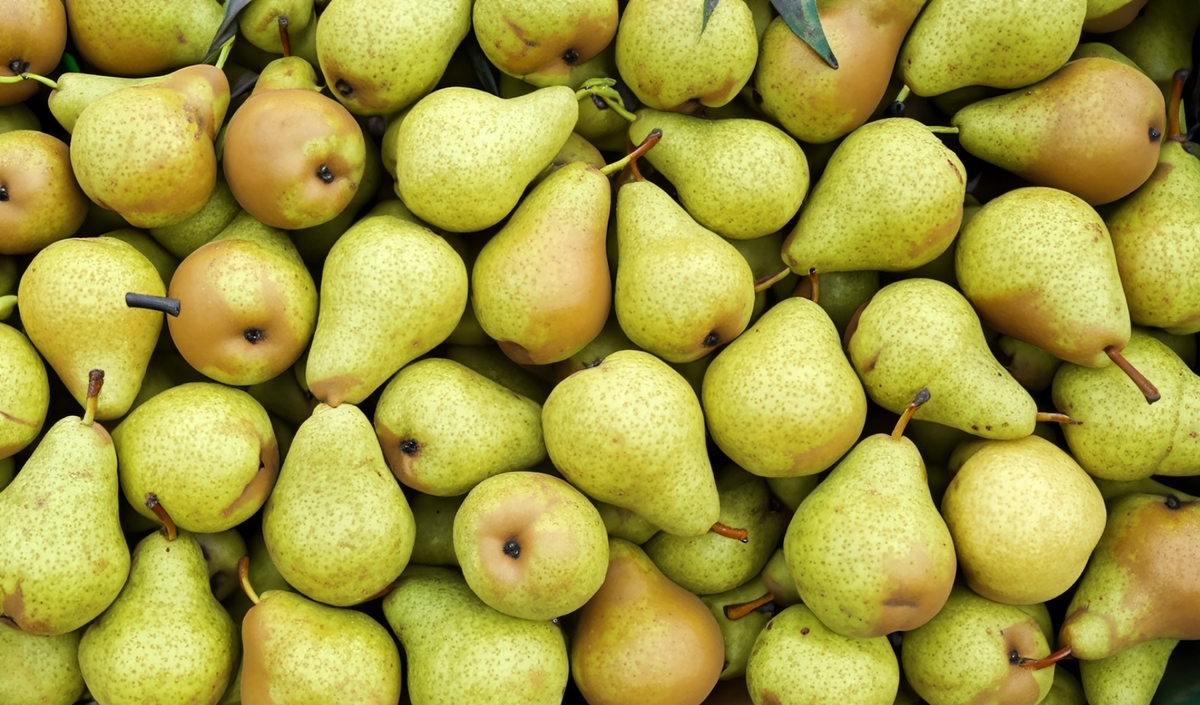
Fresh, ripe, pears can be a good treat for dogs, provided that they are washed, cored, and seedless. The fruit can make a tasty snack in appropriate portions. Your dog’s primary diet should always be a 100% complete and balanced food formulated by board-certified nutritionists, and all combined treats and extras—including pears—should make up no more than 10% of their total calorie intake. And always ask your veterinarian before introducing your dog to any new food.
Read on for more details.
Are pears good for dogs?
Pears can be healthy for dogs in moderation. They include a number of naturally occurring nutrients, like potassium and vitamin C. The flesh also offers dietary fiber, and can be hydrating due to its water content. Stick to feeding dogs ripe pears, as unripe pears may cause a stomachache.
If you want to treat your dog to a bit of this sweet tree fruit, cut it up into bite-sized pieces to prevent choking. Fresh and frozen pears are both fine, but make sure to break up frozen pear chunks and let them thaw first. Avoid canned pears, which may be packed in sugary syrup. Always serve pears plain, without additional spices or seasonings.
Are there health risks to feeding dogs pears?
Pears are generally safe when prepared correctly and served in small portions, but there are times when you should scale them back or skip them. And ask your vet what quantity of pear is appropriate to feed your dog.
Pears are naturally high in sugar. Dogs with diabetes or those prone to weight gain may have tighter calorie restrictions, in which case fruits may not be a good snack option.
Pears’ fiber content can also affect gastrointestinal function, altering stool quality and gas production. If your dog isn’t used to eating pears, introduce them slowly and look out for any signs of discomfort.
Pear seeds and cores pose a risk. Always keep pear cores out of reach, because your dog can choke on them. Remove stems as well. Pear seeds contain a compound called amygdalin, which can react with stomach enzymes to create the toxin cyanide. While a stray swallowed pear seed is unlikely to cause harm, it’s best to keep seeds away from your dog altogether.
If you see your dog eat a core pear core or seeds, or they display signs of illness like vomiting or diarrhea, call your vet or pet poison control.
The bottom line
Diverse treats can make life more interesting for your pooch, and pears may be an appropriate choice for them. Just remember to keep treats under 10% of their total calorie intake, and make sure that their primary diet is complete and balanced and formulated by board-certified nutritionists—as is the case with fresh food from The Farmer’s Dog.
Related Topics
Related Topics
More on Health & Wellness

Health & Wellness • 8 minutes
Why Is My Dog Limping?
Here’s what to do if your dog’s gait isn’t quite right.
Health & Wellness, Nutrition • 7 minutes
Meet Our On-Staff, Board-Certified Nutritionists
Every recipe from The Farmer’s Dog is developed by our on-staff, board-certified nutritionists. Here’s why that’s so important.
Health & Wellness • 5 minutes
Should Your Dog Drink Filtered Water?
Water that’s safe for humans is safe for dogs, too.
Health & Wellness • 8 minutes
Why Is My Dog Limping?
Here’s what to do if your dog’s gait isn’t quite right.
Health & Wellness, Nutrition • 7 minutes
Meet Our On-Staff, Board-Certified Nutritionists
Every recipe from The Farmer’s Dog is developed by our on-staff, board-certified nutritionists. Here’s why that’s so important.
Health & Wellness • 5 minutes
Should Your Dog Drink Filtered Water?
Water that’s safe for humans is safe for dogs, too.