Share article:


In this article:
- Why are all pork bones dangerous to dogs?
- Why are raw pork bones dangerous to dogs?
- Why are cooked pork bones dangerous to dogs?
- What should dogs chew instead of pork bones?
- What should I do if my dog eats a pork bone?
- How can I tell if a pork bone has made my dog sick?
- How can I keep pork bones away from my dog?
- The bottom line
While we’re all familiar with the classic image of a dog happily chewing on a bone, the truth is that it’s not safe for a dog to chew a pork bone—whether raw or cooked. Here’s why.
Why are all pork bones dangerous to dogs?
Cooked and raw pork bones each present distinct but serious hazards that can lead to emergency veterinary visits, costly surgeries, or even death.
Why are raw pork bones dangerous to dogs?
Pet owners seeking natural chew options may be drawn to raw bones—but they’re hazardous to your best friend, and veterinary professionals recommend against them. Here are some risks of letting your dog chew a raw pork bone.
Bacterial contamination
Raw pork can harbor dangerous pathogens including Salmonella, E. coli, and Listeria, all of which can cause serious illness or even death in dogs.
Physical injury
Raw bones can still cause serious physical injuries, including the following.
Dental fractures: Bones are hard and can fracture teeth, a common and painful injury. Rather than bones, opt for a safe, veterinarian-approved chew.
Choking and obstruction: Raw bone pieces can lodge in a dog’s throat or cause intestinal blockages. This can require surgery or even endanger your dog’s life. If you suspect that your dog is choking or has a blockage, get them to a veterinarian immediaterly—it’s an emergency.
Why are cooked pork bones dangerous to dogs?
While cooking kills pathogens, cooked pork bones carry serious dangers of their own for dogs. The cooking process causes bones to become brittle and prone to splintering into sharp fragments that can harm your pet.
Cooked bones can splinter
When dogs chew cooked bones, they can easily splinter. When this happens, dogs can suffer injuries including:
Oral trauma: Sharp bone pieces can cut or puncture the tongue, gums, cheeks, or soft palate. This can be painful and may require surgery.
Esophageal damage: Bone fragments can become lodged in the throat or esophagus, causing choking or requiring emergency removal. The Merck Veterinary Manual states that “bones are the most common foreign body” in dogs’ throats.
Intestinal perforation: Sharp fragments can pierce the stomach lining or intestinal walls, leading to internal bleeding, infection, and even death.
Gastrointestinal obstruction: Bone pieces can create blockages in the digestive tract. This is a medical emergency that requires surgery. Again, if you suspect that your dog is suffering from an obstruction, call your veterinarian right away.
What should dogs chew instead of pork bones?
Chewing has big physical and mental benefits for dogs, so you should definitely give your dog something safe to chew. Ask your vet what chewing choices are right for your dog. Generally, chews should be soft enough that they won’t damage a dog’s teeth, and shouldn’t include parts that can break off and pose a danger to the dog.
Always supervise dogs with any chew or chew toy, and make sure they are sized appropriately. Replace items once they become too small or damaged, and use a pet-proof storage location or toy holder to keep them out of reach when you can’t watch.
What should I do if my dog eats a pork bone?
If your dog consumes a pork bone, call your veterinarian right away. Make the call even if your dog doesn’t show any signs of illness. Do not attempt to induce vomiting—this can cause additional injury if sharp fragments are present.
How can I tell if a pork bone has made my dog sick?
Your veterinarian is the person who’s best qualified to answer questions about your dog’s health, so give them a call if you suspect your dog is sick. And watch for these signs of illness, which can appear hours or even days after a dog chews a bone:
- Vomiting (especially if blood is present)
- Diarrhea or black, tarry stools, which may indicate internal bleeding
- Drooling, gagging, or difficulty swallowing
- Abdominal pain or a distended abdomen
- Lethargy or loss of appetite
- Straining to defecate, or severe constipation
- Signs of distress or other unusual behavior
Any of these signs warrant a prompt call to your veterinarian.
How can I keep pork bones away from my dog?
Here are some tips to prevent your dog from getting ahold of a pork bone.
Dispose of waste securely: Use dog-proof lids on garbage containers to prevent access to discarded bones.
Supervise meals and cleanup: Be vigilant during meal preparation and dining, clearing plates promptly and making sure discarded bones are out of your dog’s reach.
Educate everyone in your household: Ensure everyone understands the risks of giving bones to dogs.
Practice the “leave it” skill: A reliable “leave it” can prevent dogs from picking up bones during walks and in other situations.
The bottom line
Don’t let your dog chew on pork bones; there are safer, better choices for their chewing needs. Both cooked and raw pork bones can lead to serious health consequences. When in doubt, always consult with your veterinarian about the safest options for your individual dog’s needs and chewing habits.
Related Topics
Related Topics
More on Health & Wellness
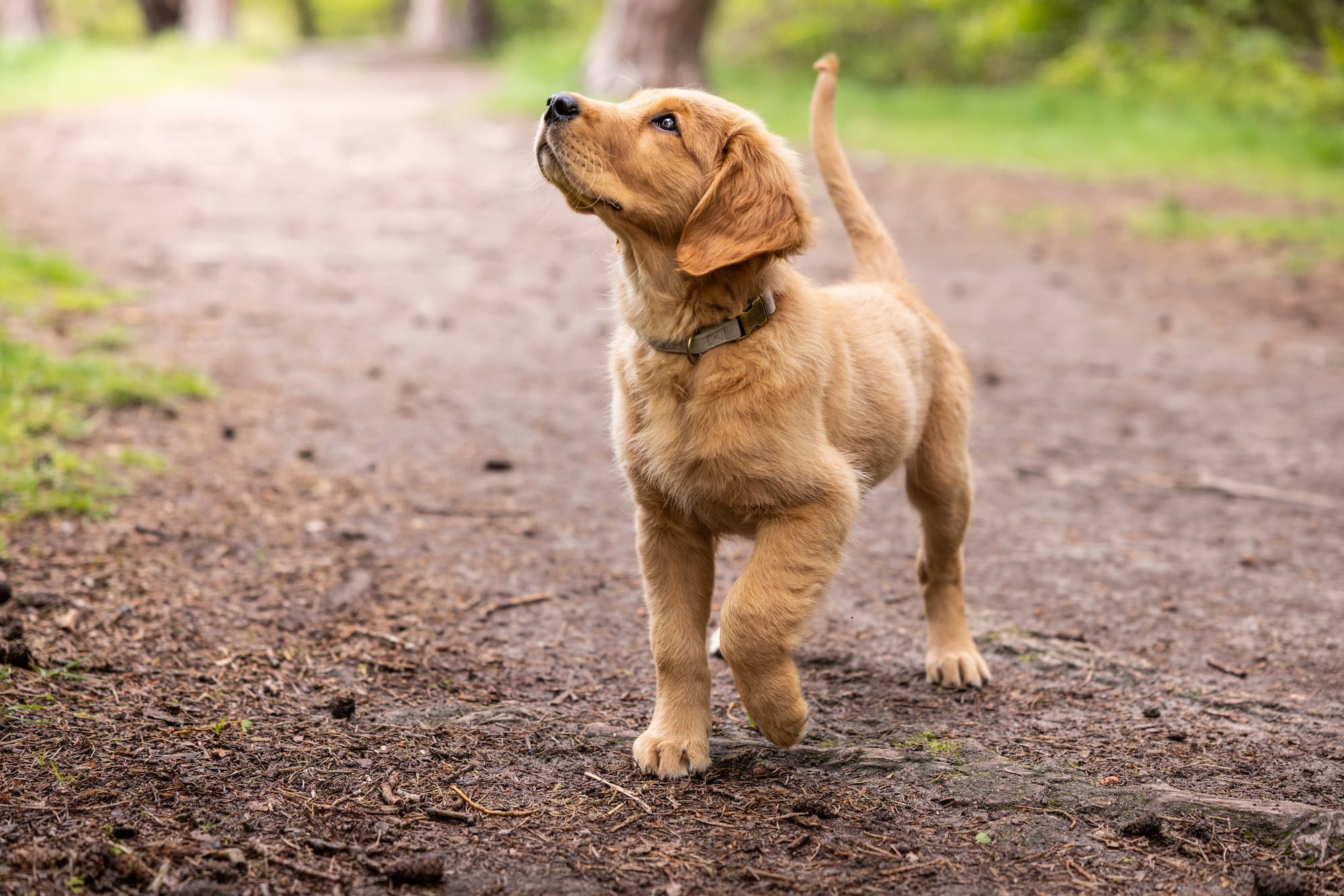
Health & Wellness • 8 minutes
Why Is My Dog Limping?
Here’s what to do if your dog’s gait isn’t quite right.
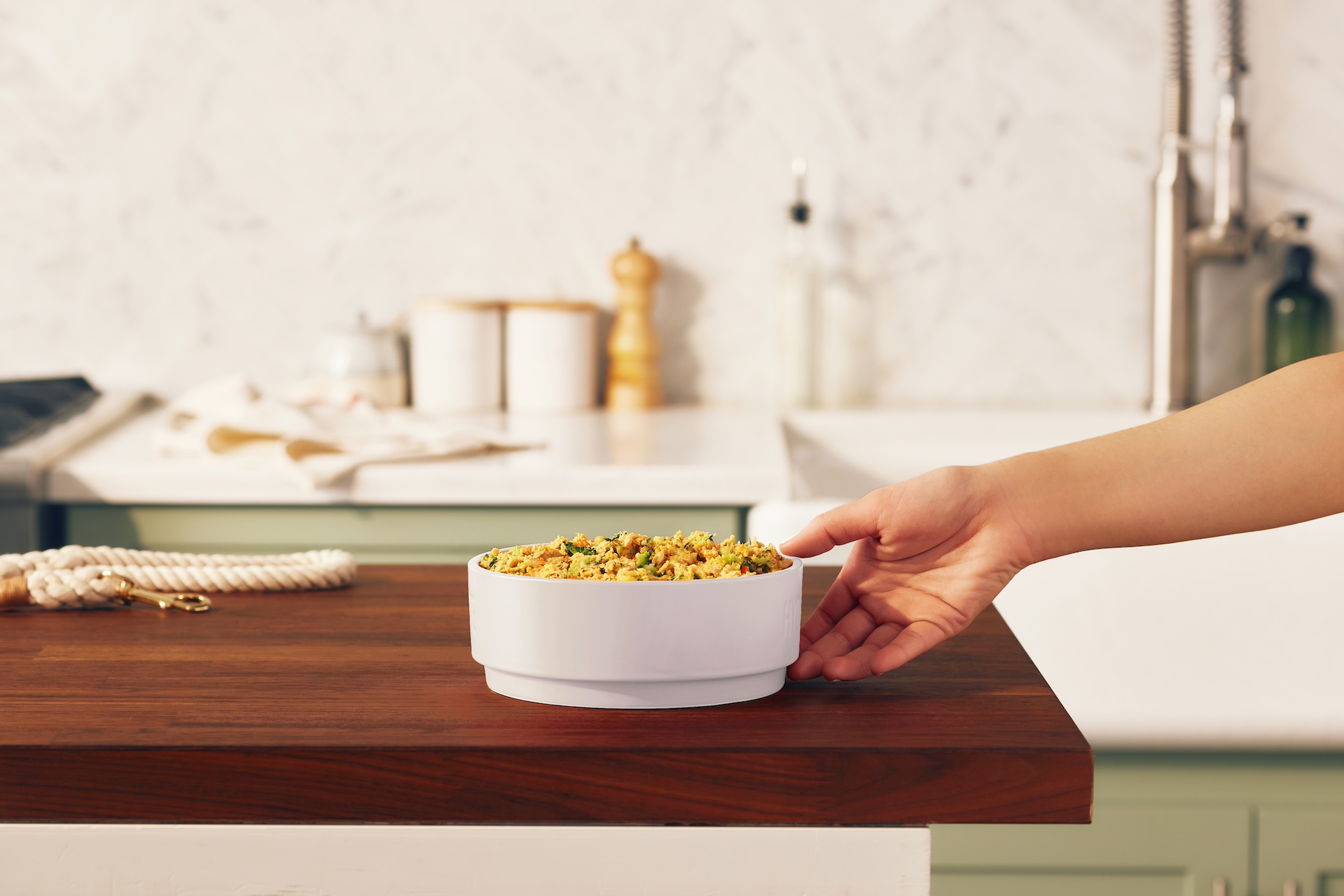
Health & Wellness, Nutrition • 7 minutes
Meet Our On-Staff, Board-Certified Nutritionists
Every recipe from The Farmer’s Dog is developed by our on-staff, board-certified nutritionists. Here’s why that’s so important.
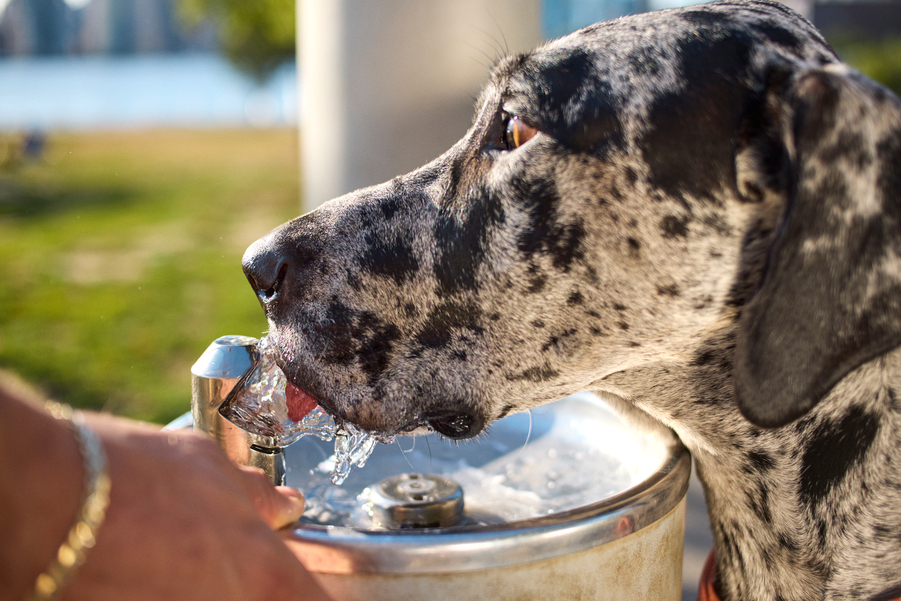
Health & Wellness • 5 minutes
Should Your Dog Drink Filtered Water?
Water that’s safe for humans is safe for dogs, too.
Health & Wellness • 8 minutes
Why Is My Dog Limping?
Here’s what to do if your dog’s gait isn’t quite right.
Health & Wellness, Nutrition • 7 minutes
Meet Our On-Staff, Board-Certified Nutritionists
Every recipe from The Farmer’s Dog is developed by our on-staff, board-certified nutritionists. Here’s why that’s so important.
Health & Wellness • 5 minutes
Should Your Dog Drink Filtered Water?
Water that’s safe for humans is safe for dogs, too.