Share article:


In this article:
- Can dogs eat tomatoes?
- Is ripe, red tomato flesh safe for dogs?
- Why are green tomatoes, stems, and vines dangerous to dogs?
- What are signs that tomatoes have made my dog sick?
- When should I call the vet about tomatoes making my dog sick?
- How can I safely serve tomatoes to my dog?
- Which tomato products should dogs never eat?
- Which dogs should never eat tomatoes?
Ripe, red tomato flesh can be safe in small amounts for many healthy adult dogs. But there are important caveats: the green parts of the tomato plant (stems, leaves, and vines) contain compounds that may be toxic, as does the flesh of unripe (green) tomatoes. Below, we break down what’s safe, what’s not, how much to serve, and warning signs to watch for.
Can dogs eat tomatoes?
Dogs can have small amounts of ripe, red tomato flesh as an occasional treat. But dogs should never eat unripe (green) tomatoes or any green parts of the plant (stems, leaves, vines). These contain compounds that can be toxic in sufficient amounts. Those compounds are called glycoalkaloids, more specifically tomatine and solanine.
Signs that your dog has been sickened by tomatoes can include drooling, vomiting, diarrhea, weakness, and tremors. If a dog eats green parts of a tomato, or you notice signs of illness after tomato ingestion, call your veterinarian or a poison-control hotline right away.
Given this risk, keep tomato portions very small. Talk to your veterinarian about exactly how much tomato is safe for your dog.
Generally, all treats and other extras combined should make no more than about 10% of your dog’s calorie intake. The vast majority of your dog’s diet should come from a complete and balanced food formulated by board-certified nutritionists.
Is ripe, red tomato flesh safe for dogs?
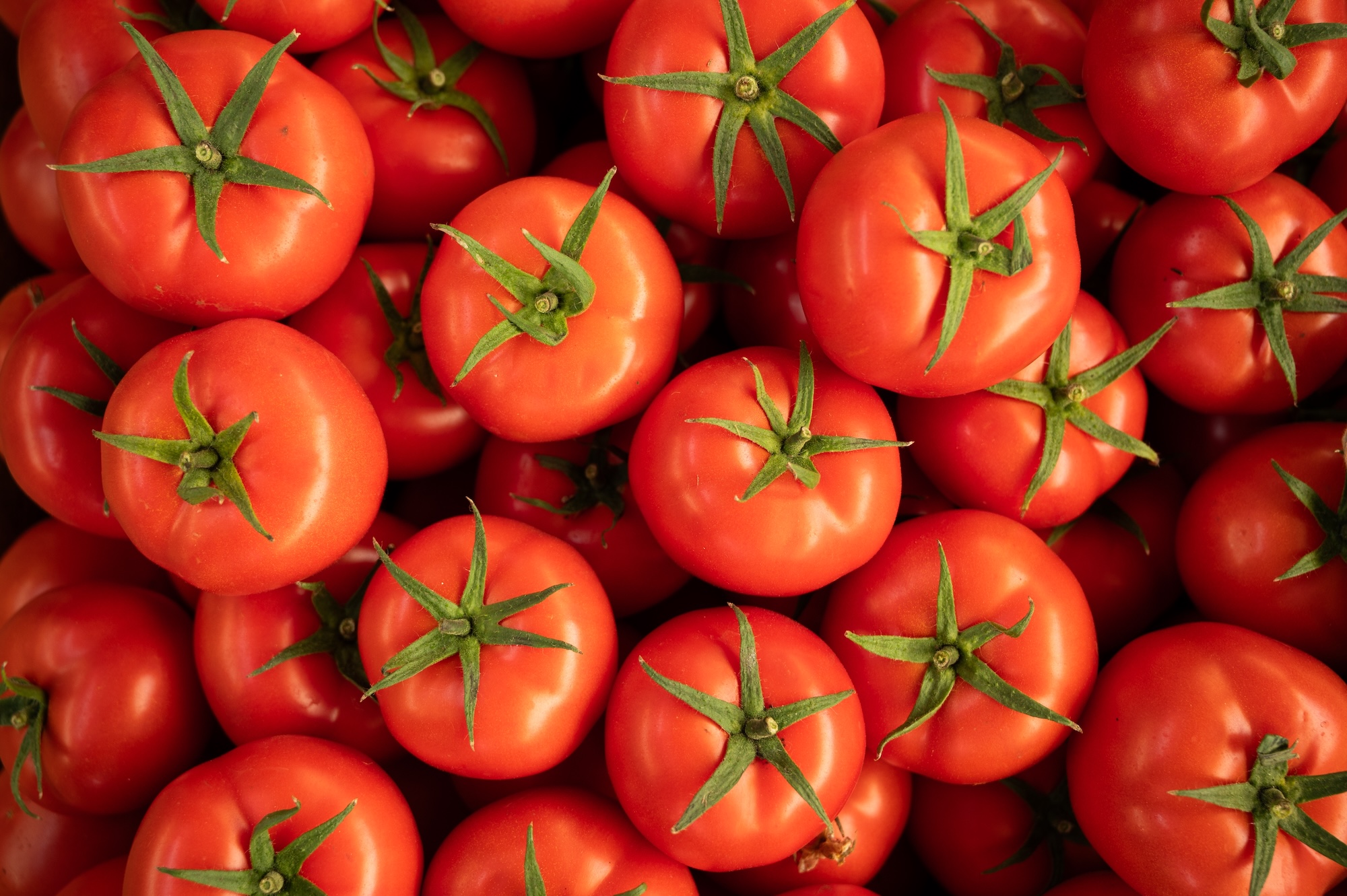
Small amounts of ripe, red tomato flesh are safe for most healthy adult dogs. This flesh contains much lower levels of tomatine than unripe fruit or green plant parts. A few small bites offer hydration and a little fiber and potassium. Still, acidity can bother sensitive stomachs, so start small and monitor. And always ask your veterinarian before introducing your dog to any new food.
Remember:
- Choose ripe, red tomatoes only.
- To reduce choking risk, cut into smaller pieces if your dog eats quickly.
- Serve plain—no oil, salt, or seasonings.
Why are green tomatoes, stems, and vines dangerous to dogs?
All green parts of a tomato plant, including unripe fruit, are dangerous to dogs. They contain high levels of compounds that are toxic to dogs. If a dog raids the garden, treats a vine like a chew toy, or eats a green tomato, call your veterinarian right away.
What are signs that tomatoes have made my dog sick?
Dogs that ingest enough glycoalkaloids (the compounds seen in the green parts of the plant) can develop toxicity. Signs of illness may include gastrointestinal upset, drooling, lethargy, weakness, ataxia (lack of coordination), tremors, or even seizures. Small dogs and puppies can reach a concerning dose with less exposure due to their lower body weights. If you’re worried that your dog may have become sick from tomatoes, call your veterinarian.
When to call the vet
Even ripe tomatoes can cause mild vomiting or diarrhea in some dogs due to acidity or individual sensitivity. If your dog has never had tomatoes before, introduce a tiny amount and watch for changes in stool, appetite, or behavior over the next 24 hours. Stop serving if you see vomiting, diarrhea, hives, facial swelling, or behavior changes. Contact your veterinarian or the ASPCA Animal Poison Control Center (888-426-4435) if your dog ate green plant material, you’re unsure what they ate, or you see signs of illness.
Cautionary note: Don’t feed your dog tomato sauce; only plain tomatoes. Many tomato-based sauces are high in sodium and contain onions or garlic, which are toxic to dogs even in small amounts.
How to serve tomatoes safely
Feed a small portion
The World Small Animal Veterinary Association (WSAVA) Global Nutrition Committee advises that all treats and other extras combined should make up no more than 10% of a dog’s daily calories. What the means will depend on your dog’s size, activity level, and other factors. To determine how much tomato your dog can eat, talk to your veterinarian.
How to safely prepare a tomato for your dog.
- Wash the tomato thoroughly.
- Remove all stems, leaves, and any other green parts.
- Dice the tomato into bite-size pieces to reduce the risk of choking.
- Serve plain—skip oil, salt, pepper, garlic, onions, and herbs. Avoid packaged products like tomato sauces or soups, which may contain toxic ingredients.
Start slow, and monitor your dog after feeding
If your dog has never had tomato before, start with a tiny test portion. Over the next 24 hours, watch and make sure you don’t notice any vomiting, diarrhea, drooling, decreased appetite, or lethargy. If your dog shows any of these signs, stop feeding them tomatoes and call your vet right away.
If all is well, tomatoes can be an occasional, small treat—but not a routine topper.
And remember: always check with your veterinarian before adding any new foods to your dog’s diet. They’re the best source of advice about what’s safe and healthy for your pet to eat.
Steer clear of these tomato products
Ketchup, pasta sauces, salsas, and seasoned dishes
Commercial and homemade tomato recipes often include added onions, garlic, spices, sugar, and salt—none of which belong in a dog’s diet. Onions and garlic, in particular, can damage red blood cells and cause anemia. Plain, ripe tomato flesh is the only type of tomato that your dog should eat.
Canned, sun-dried, salted, or fried tomatoes
These products may be particularly acidic and contain added salt, oils, or other seasonings. Again, when in doubt, skip anything that isn’t simply a small amount of fresh, ripe tomato flesh.
Some dogs should skip tomatoes altogether
If a dog has pancreatitis, reflux, inflammatory bowel disease, or a sensitive stomach, tomatoes are more likely to cause them trouble. Skip them and call your veterinarian if they’ve chewed on vines, leaves, or unripe fruit.
The bottom line
Ripe, red tomato flesh can be offered on occasion in tiny amounts to most healthy dogs, while green tomatoes and any plant parts should be avoided entirely. Regardless of what new snack you’re thinking of introducing to your dog, talk to your veterinarian first to make sure it’s a safe choice for them. And remember to keep treats and other extras to no more than 10% of your dog’s calorie intake. Your pet’s primary source of nutrition should always be a complete and balanced food formulated by board-certified nutritionists.
Related Topics
Related Topics
More on Health & Wellness

Health & Wellness, New Dog • 21 minutes
Puppy Veterinary Care Guide: a Health Checklist for Your New Best Friend
What to know about keeping your new puppy healthy.
Health & Wellness • 12 minutes
These Are The Most Common Health Problems in Big Dogs
Large-breed dogs have a more substantial risk of these conditions.

Health & Wellness • 8 minutes
Why Is My Dog Limping?
Here’s what to do if your dog’s gait isn’t quite right.
Health & Wellness, New Dog • 21 minutes
Puppy Veterinary Care Guide: a Health Checklist for Your New Best Friend
What to know about keeping your new puppy healthy.
Health & Wellness • 12 minutes
These Are The Most Common Health Problems in Big Dogs
Large-breed dogs have a more substantial risk of these conditions.
Health & Wellness • 8 minutes
Why Is My Dog Limping?
Here’s what to do if your dog’s gait isn’t quite right.