Share article:


This article was first written in November of 2021.
In this article:
- How much water should my dog drink?
- How can I help my dog drink enough water?
- How does my dog’s diet impact their hydration?
- What kind of bowl should my dog drink out of?
- What’s that pink stuff growing in my dog’s water bowl?
- Is it safe for my dog to drink out of the toilet?
- Is it safe for my dog to drink out of puddles?
- What percentage of a dog is water?
- What are the signs of dehydration in a dog?
- What should I do if my dog is dehydrated?
- What can cause dehydration in a dog?
- What does it mean if my dog is suddenly drinking way more than usual?
- What if my dog isn’t drinking water?
Adequate water intake is crucial to dogs’ health. And while we humans can pour ourselves eight or so glasses of H2O each day, our canine friends rely on us to keep them hydrated. Here’s everything you need to know about making sure your best pal has enough to drink.
How much water should my dog drink?
As a general guideline, dogs should drink around one ounce of water per pound of body weight each day.
How can I help my dog drink enough water?
The best way to keep your dog hydrated is to give them access to fresh, clean water throughout the day. While free-feeding is not a good idea, free-drinking is a must. When you’re on the go, bring clean water and a cup or portable bowl.
If your dog doesn’t seem to be drinking enough, check that the bowl is clean and you’re changing the water frequently enough. Dogs may prefer water that’s cool or moving—so you can try pouring it in front of them or using a fountain-like dispenser.
How does my dog’s diet impact their hydration?
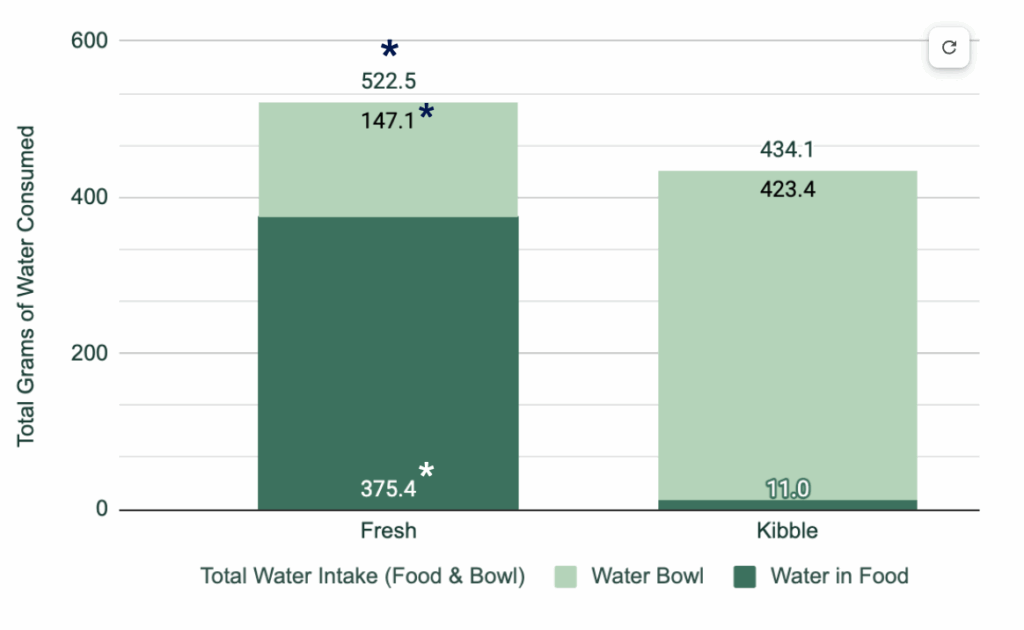
We conducted a study investigating diet’s impact on a dog’s water consumption. Published in November 2025 in the journal Frontiers in Veterinary Research, this peer-reviewed research demonstrates that dogs eating fresh, human-grade food take in more water than those eating dry kibble, even when kibble-fed dogs drink more water from their bowls. The findings are among the first to directly measure dogs’ water intake from fresh food.
This study compared total water intake in 10 dogs, with half eating a fresh-food diet and the other half kibble. The results were clear: Dogs who ate fresh food consumed more water overall than those who ate kibble. The dogs who ate fresh food consumed 20% more total water than dogs in the kibble group despite drinking less from their bowls.
“These are the first ever datasets we have that quantify the total water intake from fresh food—which is important research to better understand fresh feeding and its implications on urinary tract health and well being,” said Joseph Wakshlag, DVM, PhD, Diplomate of the American College of Veterinary Internal Medicine (Nutrition), ACVSMR, one of the Board Certified Veterinary NutritionistsⓇ who was involved in the study. “The average dog in the common household is a reactive drinker rather than a proactive drinker—meaning they must reach a mild level of dehydration before they have a thirst response. This research shows that feeding a fresh food is a moisture-rich, proactive way to support hydration.”
The research shows that feeding fresh, human-grade food—compared to feeding kibble—increases total water intake and supports hydration in dogs. Taken together, the findings offer scientific support for a notion that many veterinarians consider common sense. “The results confirm what many of us in the veterinary community have long suspected: Moisture in food directly impacts overall daily hydration in dogs,” Dr. Wakshlag said.
What kind of bowl should my dog drink out of?
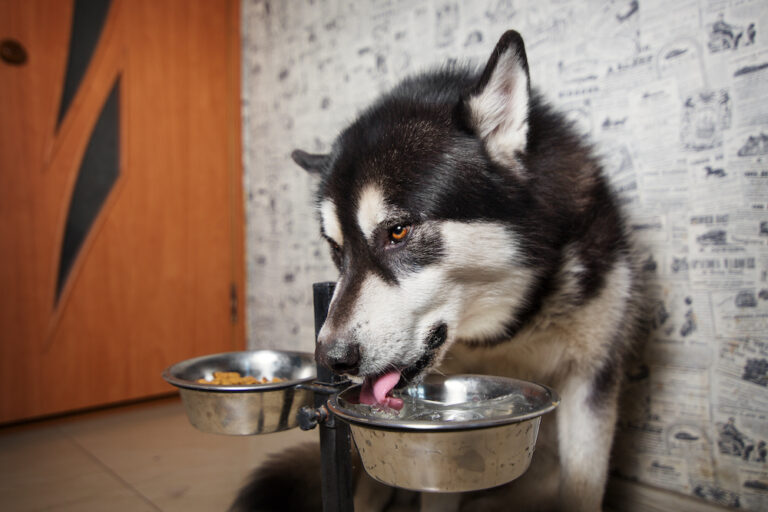
Give your dog their own water bowl. Ceramic and stainless steel are popular options, and there are also silicone travel bowls that may be convenient. Many vets recommend avoiding plastic bowls, whose porous material is more easily chewed or scratched and can harbor bacteria. They can also cause allergic reactions around the mouth in some dogs. Plastic bowls may contain chemicals called bisphenols, which could be hazardous to your dog in the long term. Whatever bowl you use, refresh its water multiple times a day and clean it daily.
What’s that pink stuff growing in my dog’s water bowl?
On the subject of cleaning, one organism that can grow in a dog’s water bowl is the bacteria Serratia marcescens, which has a distinctive pink color. While it won’t necessarily sicken your pet, it can cause serious issues in dogs with compromised immune systems. And bowls that don’t get cleaned regularly can grow other types of bacteria along with mold and yeast. You wouldn’t drink out of a dirty, slimy glass—treat your dog’s bowl the same way.
Is it safe for my dog to drink out of the toilet?
No. While your toilet is filled with fresh water from the municipal supply, most commodes come into frequent contact with human waste, not to mention all manner of non-edible and potentially toxic cleaning products. If you wouldn’t drink out of your toilet, you shouldn’t risk letting your dog do so.
Is it safe for my dog to drink out of puddles?
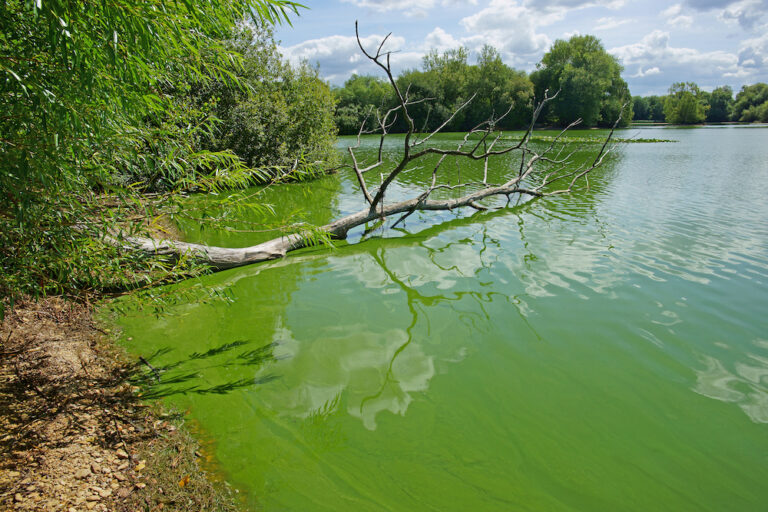
Nope. Puddles, ponds, lakes, and rivers can contain dangerous pathogens like giardia, leptospirosis, and toxic algae. Cyanobacteria, also known as blue-green algae, is one potentially fatal hazard that may be present in lakes and rivers—especially during warm, sunny weather. In some cases, dogs who’ve gone swimming in ponds with toxic algae have fallen ill just by licking infested water off of their fur. You’re much better off bringing a supply of fresh, clean water for your dog to drink while you’re out on a walk.
What percentage of a dog is water?
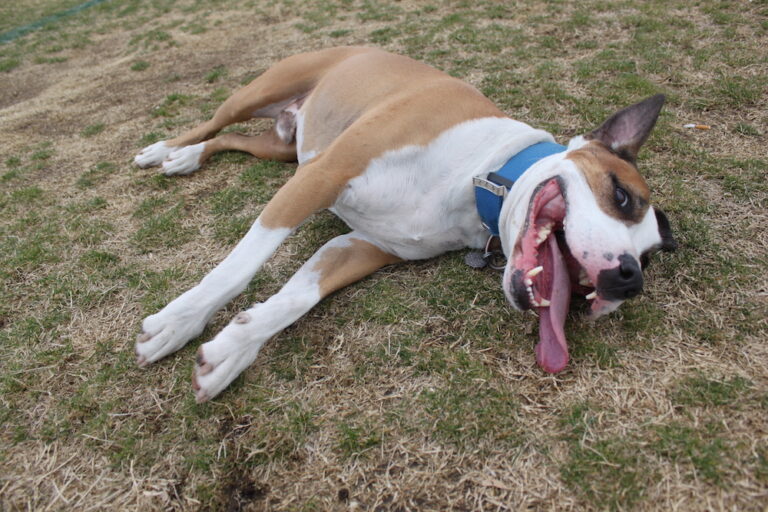
Experts estimate that dogs are 80% water.
What are the signs of dehydration in a dog?
Among the warning signs that your dog is dehydrated are a dry nose, panting, fatigue, dry gums, and thick saliva. One simple way to test for dehydration is to gently grab some skin on your dog’s back using your thumb and forefinger, then release it. The skin should return to its original position quickly. If it moves back slowly or doesn’t move at all, that’s a sign of dehydration. Another vet-approved test: Place your finger in your dog’s mouth against the gum surface; it should feel wet. If it feels dry or sticky, this can be another indicator of dehydration.
What should I do if my dog is dehydrated?
If your dog is dehydrated right now, see if you can get them to drink a little clean, fresh water and contact your veterinarian as soon as possible. Don’t try to deal with the situation all by yourself—if a dehydrated dog drinks a large quantity of water all at once, they may vomit. A vet can assess the severity of the situation, and may administer IV or subcutaneous fluids.
What can cause dehydration in a dog?
Dogs can become dehydrated due to heat stroke, diarrhea, or vomiting, as well as from various illnesses. If your dog is dehydrated, work with your veterinarian to investigate further and formulate a treatment plan.
What does it mean if my dog is suddenly drinking way more than usual?
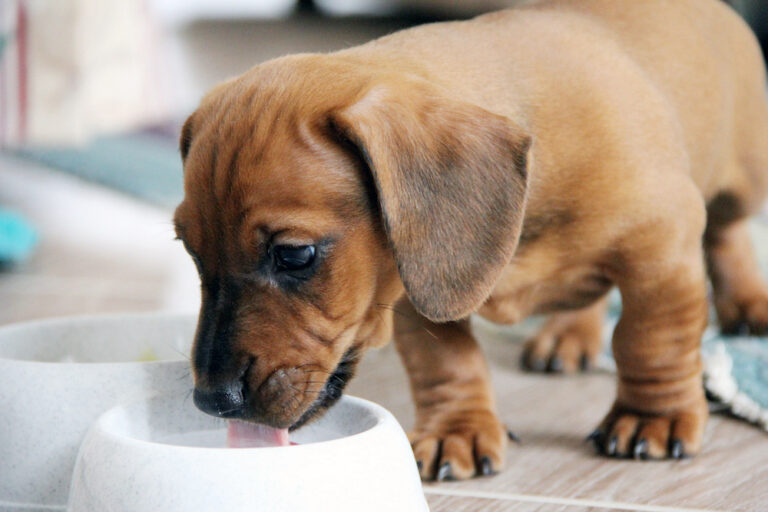
Dogs can sometimes get very thirsty for the same reasons a person would—it’s hot, they’ve been exercising a lot, or they’ve gone a bit too long without drinking water. But if you notice that your dog seems much thirstier than usual, contact a veterinarian. A wide range of conditions, including kidney problems, Cushing’s disease, pyometra, and diabetes, can lead to excessive thirst in dogs, as can some medications. Your vet will be able to help get to the bottom of any sudden or drastic changes in your dog’s behavior.
What if my dog isn’t drinking water?
Just as a dog might drink more water in some ordinary situations, a dog might drink less if the weather cools down or they’re not as active as usual. If you’ve switched from dry to fresh food, or you’re feeding water-rich treats like fresh fruit, that may have an impact on how much they’re drinking in a day. But if you notice that your dog has stopped drinking for no apparent reason, you should try to figure out why. It’s possible that their bowl should be refilled with new water or cleaned. If the dog’s water supply or bowl has changed recently, try mixing it up—there may be something about the water itself or the vessel that they don’t like. Dogs with dental disease can become sensitive to hot and cold sensitivities, which could cause them to balk at cold water.
If they don’t want to drink, remember that dogs have an excellent sense of smell and may be able to perceive a problem with the water that is not evident to you. If your dog won’t drink and you’ve exhausted immediate options like giving them fresh water, contact your vet right away—their behavior could be related to an injury or illness, and it’s important that you address it now so that they can get the fluids they need.
Related Topics
Related Topics
More on Health & Wellness
Health & Wellness, Nutrition • 16 minutes
What’s the Best Food for Senior Dogs?
Seniors should receive complete and balanced nutrition that meets their specific health needs—because every dog ages differently.
Health & Wellness • 9 minutes
When Should I Spay or Neuter My Dog?
Talk through the timing with your veterinarian.
Health & Wellness, Training & Behavior • 8 minutes
Why Do Dogs Love to Roll in Smelly Things?
Here’s where they get their passion for pungency, and what to do about it.
Health & Wellness, Nutrition • 16 minutes
What’s the Best Food for Senior Dogs?
Seniors should receive complete and balanced nutrition that meets their specific health needs—because every dog ages differently.
Health & Wellness • 9 minutes
When Should I Spay or Neuter My Dog?
Talk through the timing with your veterinarian.
Health & Wellness, Training & Behavior • 8 minutes
Why Do Dogs Love to Roll in Smelly Things?
Here’s where they get their passion for pungency, and what to do about it.