Share article:


In this article:
- We published a peer-reviewed study showing that fresh food can support healthier aging in dogs
- We published a peer-reviewed study showing hydration advantages in fresh, human-grade food
- We announced an additional $10 million in veterinary research
- We’re sponsoring a veterinary nutrition residency at the University of Tennessee
We’re dedicated to giving dogs the nutrition they need to live happy, healthy lives, and advancing the science of canine nutrition is a big part of that. That’s why we spent 2025 investing in veterinary research by publishing peer-reviewed studies, pledging millions of dollars toward more research, and sponsoring a veterinary nutrition residency.
Before we move ahead into 2026, here’s a look back at some of our biggest accomplishments of 2025.
We published a peer-reviewed study showing that fresh food can support healthier aging in dogs
Fresh food can support healthier aging in dogs, according to a first-of-its-kind, yearlong study we conducted with Cornell University and published in the journal Metabolites on October 17. This study assessed fresh food’s effects on a dog’s metabolic profile, or the complete system of metabolic processes in a cell. The study of the small molecules produced by cells that are responsible for an organism’s metabolic processes is called metabolomics.
Led by Heather Huson, PhD, Associate Professor of Animal Sciences at Cornell University, this metabolomics study examined 22 healthy Alaskan sled dogs over age 12. They ate a particular dry-food diet for four months and then divided into two groups. One group continued eating kibble for another 12 months, while the other group transitioned to a fresh, minimally processed, human-grade food.
Each month, the Cornell team assessed the dogs for body weight and condition. Beginning at day zero, and then at months one, three, six, and 12, they drew blood samples to analyze each dog’s metabolic profile. Dogs fed fresh food displayed a rapid, sustained metabolic shift after just one month. Specifically, they had lower levels of harmful compounds called advanced glycation end products (AGE), which are associated with aging and chronic disease. They also showed higher levels of antioxidants and protective metabolites like ergothioneine, carnosine, and anserine, which suggests an increased capacity for protecting cells from naturally occurring damage, called oxidation.
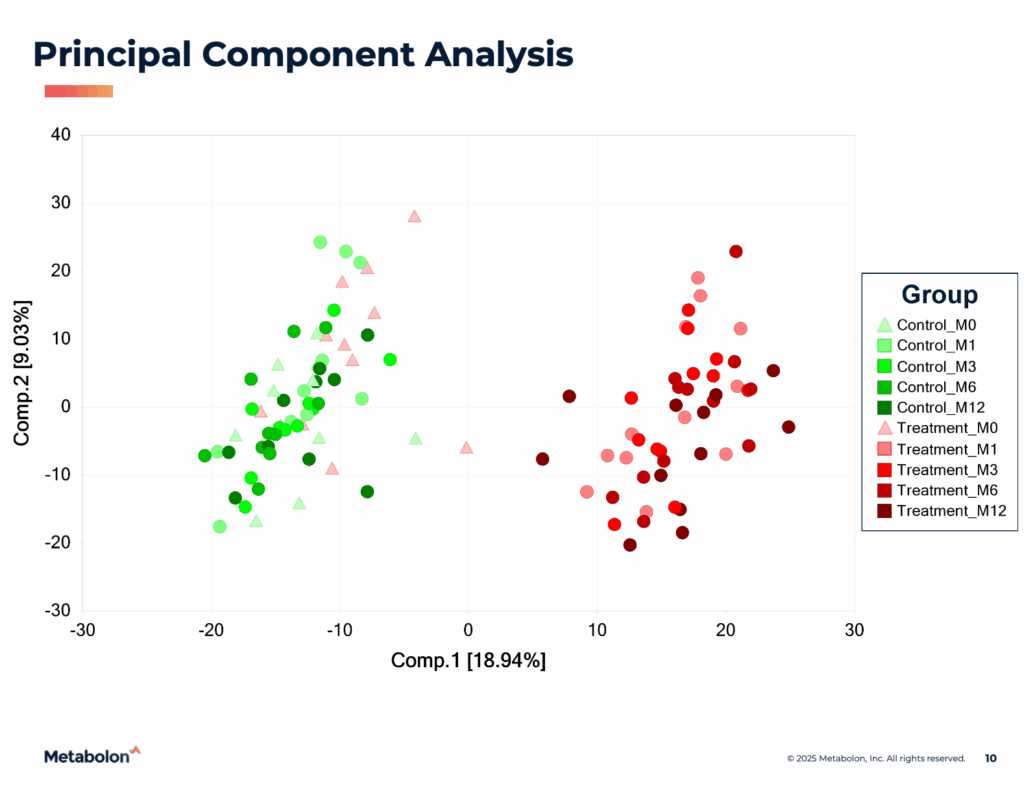
“The magnitude and consistency of the metabolic impacts we observed were quick, sustained, and striking,” said study co-author and Board-Certified Veterinary Nutritionist® Joseph Wakshlag, DVM, PhD, DACVSMR, DACVIM (Nutrition).
We published a peer-reviewed study showing hydration advantages in fresh, human-grade food
Feeding fresh food to dogs may benefit their urinary health, according to a series of studies we conducted and published in the journal Frontiers in Veterinary Research on November 6.
One study looked at urinary relative supersaturation (RSS), assessing how eating a fresh-food diet impacted the potential for urinary stone formation. Ten dogs were fed fresh food for 23 days. Starting on day 22, the dogs’ urine was collected over a 24-hour period and analyzed by third-party labs. The results showed RSS values consistent with the targeted undersaturated zone for struvite stones, while calcium oxalate stone formation was in the lower end of the targeted metastable zone.
Another study looked at total water consumption in 10 dogs over two weeks. Half of them ate dry kibble while the other half ate a fresh food for seven days; then, they switched diets for the following seven days. They had free access to water throughout the two weeks. Dogs who ate fresh food consumed more water overall than those who ate kibble. The dogs who ate fresh food consumed 20% more total water than dogs in the kibble group despite drinking less from their bowls. This is because the moisture in their fresh food provided them with hydration.
“These are the first ever datasets we have that quantify the total water intake from fresh food—which is important research to better understand fresh feeding and its implications on urinary tract health and well being,” said Dr. Wakshlag, one of the Board Certified Veterinary Nutritionists® who was involved in the study. “The average dog in the common household is a reactive drinker rather than a proactive drinker—meaning they must reach a mild level of dehydration before they have a thirst response. This research shows that feeding a fresh food is a moisture-rich, proactive way to support hydration.”

We announced an additional $10 million investment in veterinary research
This past March, The Farmer’s Dog announced an additional $10 million investment in veterinary research. This initiative will fund grants and clinical studies, as well as support sponsored residencies and student research projects with university partners. The investment will build on our existing veterinary research, like the studies mentioned above.
We’re sponsoring a veterinary nutrition residency at the University of Tennessee
This past June, we announced that we’re sponsoring a veterinary nutrition residency at the University of Tennessee’s College of Veterinary Medicine. The sponsorship represents a milestone for the fresh pet food industry and underscores our continued commitment to evidence-based pet health research, while nurturing the next generation of leaders in veterinary nutrition.
The sponsorship is designed to fully fund the training of a veterinarian at the University of Tennessee’s College of Veterinary Medicine, preparing them for board certification in nutrition through the American College of Veterinary Internal Medicine. It involves the design, execution, and publication of a peer-reviewed study focused on veterinary nutrition. By investing in independent research in pet health and disease, we aim to contribute meaningful data to the veterinary community and inform evidence-based care for dogs.
The resident will receive rigorous training in the science of nutrition, and how to apply that knowledge in a clinical practice setting—all under the mentorship of Board-Certified Veterinary Nutritionists® Angela Rollins, DVM, PhD, Diplomate of the American College of Veterinary Internal Medicine (Nutrition), and Maryanne Murphy, DVM, PhD, Diplomate of the American College of Veterinary Internal Medicine (Nutrition). This certification is prestigious and rare—there are only around 100 Board-Certified Veterinary Nutritionists® in the United States.
The Farmer’s Dog aims for this program to contribute to the growing body of published research in animal health, open doors for new clinical nutrition training opportunities, and ultimately shape the future of pet health through academic partnerships and scientific collaboration.
Are you a veterinary professional? Sign up for our Vet Pro Portal to get detailed information about our research, complete nutritional profiles, exclusive discounts, and more.
Related Topics
Related Topics
More on Science & Research

Science & Research • 7 minutes
Your Golden Retriever May Be Anxious for the Same Reason You Are
A Cambridge study found that dogs and humans share some of the same genes related to behavior and emotions.
Health & Wellness, Science & Research • 5 minutes
New Studies From The Farmer’s Dog Reveal Hydration Advantages in Fresh, Human-Grade Dog Food
Dogs on fresh food drink less, but get more water. Here’s why.
Health & Wellness, Science & Research • 4 minutes
New Study From The Farmer’s Dog Shows That Fresh Food Can Support Healthier Aging in Dogs
Dogs fed fresh food showed a rapid, sustained metabolic shift after just one month.
Science & Research • 7 minutes
Your Golden Retriever May Be Anxious for the Same Reason You Are
A Cambridge study found that dogs and humans share some of the same genes related to behavior and emotions.
Health & Wellness, Science & Research • 5 minutes
New Studies From The Farmer’s Dog Reveal Hydration Advantages in Fresh, Human-Grade Dog Food
Dogs on fresh food drink less, but get more water. Here’s why.
Health & Wellness, Science & Research • 4 minutes
New Study From The Farmer’s Dog Shows That Fresh Food Can Support Healthier Aging in Dogs
Dogs fed fresh food showed a rapid, sustained metabolic shift after just one month.