Share article:


This article was updated in January of 2026.
In this article:
- What causes bladder stones in dogs?
- What are the signs of bladder stones in dogs?
- Can canine bladder stones be prevented?
- How are canine bladder stones treated?
Bladder stones, also known as cystic calculi or uroliths, are concentrated formations of minerals that collect in a dog’s bladder. The minerals are found in the urine and, at high enough concentrations, can precipitate into crystals—which can then form larger stones that in turn can irritate the bladder, cause infection, or lead to urinary blockage.
Ranging in composition and size, from sand-like grains to larger lumps, bladder stones can be extremely painful and even life-threatening if a urinary blockage occurs.
When bladder stones become lodged in the urethra, dogs are left straining or even unable to urinate. This obstruction should be considered a medical emergency. (Left untreated, your dog could collapse or suffer kidney failure.) If you and a veterinarian take immediate action, however, bladder stones are highly treatable.
What causes bladder stones in dogs?
Canine bladder stones can have an array of causes including genetic predisposition, metabolic abnormalities (such as liver disease) and—as is the case in a very common urolith in dogs—urinary tract infections (UTIs).
There are six types of bladder stones: calcium oxalate, urate, cystine, silica , calcium tartrate tetrahydrate, and struvite (the most common). It can take months for a large stone to develop, but smaller stones can build up in just a few weeks. Each type has distinct causes.
Calcium oxalate stones are composed of calcium, oxalates, and citrates, and tend to form as a result of genetic factors or high dietary calcium. These occur more often in male dogs. Small terriers and toy breeds, such as shih tzus, bichon frises, and Yorkshire terriers, may be more prone to this type of stone.
Urate stones can result from liver disease, genetic abnormalities, or issues with uric acid metabolism.
Cystine stones predominantly affect male dogs, and certain breeds are genetically predisposed to developing them. These stones occur when your dog’s kidneys can’t absorb cystine.
Silica stones are rare, affecting only a small percentage of dogs.
Calcium tartrate tetrahydrate (CTT) stones are a new, very rare type of urolith discovered in dogs this past year.
Struvite bladder stones are formed by a concentration of minerals in your dog’s urine. These minerals stick together and form painful crystals; they occur more commonly in female dogs. These stones almost always occur as a consequence of a urinary tract infection. Uroliths made of sterile struvite—or struvite that forms without a UTI—do occur, but are rare.
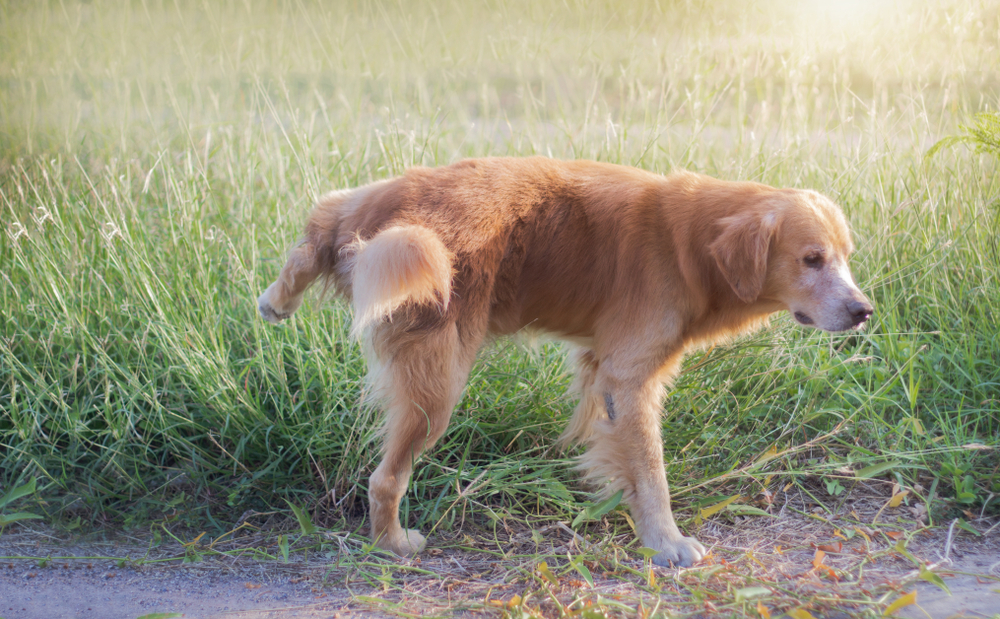
What are the signs of bladder stones in dogs?
Some dogs may not show any obvious clinical signs of bladder stones, while other dogs may pass small stones on their own, imperceptibly, through the urinary tract. (Because female dogs have a wider and shorter urethra, they tend to pass stones more easily than males.)
Signs of bladder stones may include:
- Straining to urinate
- Blood in the urine
- Whimpering while urinating
- Vomiting or change in appetite
- Urinating small amounts, frequently
- Inability to urinate (a medical emergency, as it may indicate blockage of the urethra, resulting in a bladder rupture)
Can canine bladder stones be prevented?
Although bladder stones have many different causes, you can take some general steps that may help prevent them.
A good diet can help promote the right pH balance in your dog’s urine—it’s critical that the pH level is neither too low nor too high. Your vet can conduct a urinalysis test to check whether the urine’s pH level is well balanced between acid and alkaline, and what dietary steps you might consider to minimize the buildup of bladder stones.
Keeping your dog hydrated and urinating on a consistent schedule can help reduce the odds that they get crystals or stones. Always give your dog access to fresh water; rinse out their bowl daily and wipe it down to remove any food debris that may have collected in the water. If you’re concerned that your dog isn’t drinking enough water, talk with your vet.If your dog has urinary tract issues, speak to your vet. Veterinary professionals can check out our Vet Pro Portal for more information and supporting studies.
How are canine bladder stones treated?
Depending on the type and size of the stone, as well as the case’s urgency, your dog’s vet will determine the best course of treatment, such as antibiotics, a new diet, or surgery. An ultrasound may be necessary because certain bladder stones don’t show up on X-rays.
For struvite stones, vets will typically recommend a urine culture and a course of antibiotics to treat any underlying bacterial infection, and they may also prescribe a special therapeutic diet to help dissolve the stones. This is the preferred option— but it takes time, it won’t prove effective in every case. Plus, some picky eaters may not like the new diet.
With certain stones, surgery may be the best option. The good news is that the stones are removed immediately, giving your dog some relief. But there are always risks to surgical procedures, such as complications from anesthesia and potential infections. Post-surgery, there may also be follow-up visits, medication, and perhaps a change in diet for your dog.
If your dog and their stones fit certain criteria, your dog’s vet may recommend urohydropropulsion, which uses a liquid solution in the bladder to expel the stones. This procedure will only work if the stones are small enough, and it typically requires general anesthesia, along with a temporary urinary catheter, which can increase the risk of infection in an already-irritated urinary tract.
Laser lithotripsy can be a good alternative to surgery if the bladder stones are smaller. It’s extremely effective at breaking stones into smaller particles to help them pass. Yet it is also a costly procedure that’s only performed by specialists, and may require an overnight stay for observation of your dog.
Although it isn’t always possible to prevent bladder stones, monitoring your dog carefully is the best defense. Along with choosing the right diet for your dog and ensuring access to fresh water daily, be sure to keep up with annual checkups that include bloodwork and urine screenings to look for early signs of urinary stones.
Related Topics
Related Topics
More on Health & Wellness
Health & Wellness • 12 minutes
What Should I Do If My Dog Isn’t Eating?
Here’s veterinarians’ advice for what to do if your dog loses their appetite.

Breeds, Health & Wellness, Nutrition, Training & Behavior • 17 minutes
The Corgi Care Guide
Don’t let the tiny legs and infectious smiles fool you—these working dogs need a lot of physical and mental exercise.
Health & Wellness, Nutrition • 14 minutes
Can My Dog Eat Halloween Candy?
Many spooky-season treats are downright scary for dogs. Here’s how to keep yours safe.
Health & Wellness • 12 minutes
What Should I Do If My Dog Isn’t Eating?
Here’s veterinarians’ advice for what to do if your dog loses their appetite.
Breeds, Health & Wellness, Nutrition, Training & Behavior • 17 minutes
The Corgi Care Guide
Don’t let the tiny legs and infectious smiles fool you—these working dogs need a lot of physical and mental exercise.
Health & Wellness, Nutrition • 14 minutes
Can My Dog Eat Halloween Candy?
Many spooky-season treats are downright scary for dogs. Here’s how to keep yours safe.