Share article:


In this article:
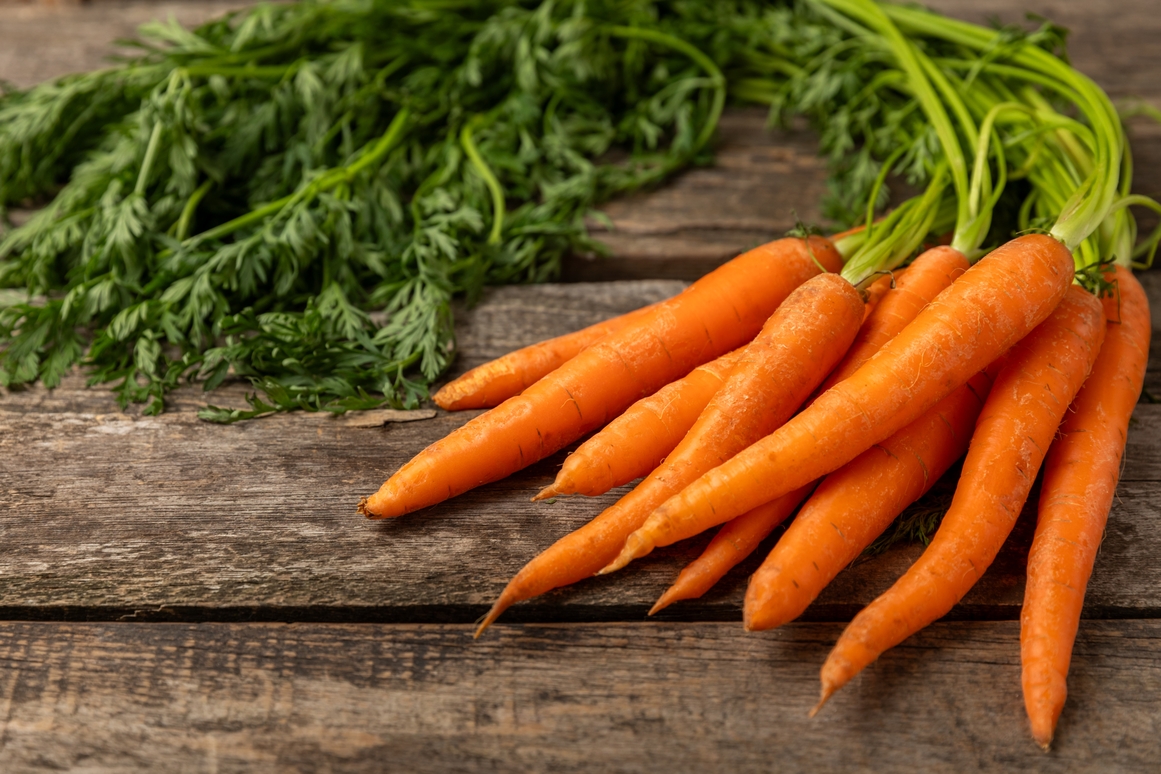
Prepared properly and in the right portions, carrots can make a healthy treat for dogs. We even use carrots in some of our ready-to-eat formulas. Here are the details.
Are carrots safe for dogs?
When served plain and cut to a safe size, carrots can be a healthy, low-calorie snack for most dogs. They’re safe and healthy in moderation, but are no replacement for a complete and balanced diet. If your dog hasn’t tried carrots before, introduce them gradually and observe how they respond.
Carrots provide a nutrient called beta-carotene. The body metabolizes beta-carotene into vitamin A, which promotes vision, immune function, skin, and coat health. Carrots also contain dietary fiber, potassium, and small amounts of vitamin K. The dietary fiber can be good for digestive health.
Carrots are low in calories. This can make them a solid choice for training, because you can feed more of them and stay within the 10% rule—the guideline that all treats and other extras combined should make up no more than 10% of a dog’s daily caloric intake.
Ask your veterinarian what servings of carrots are appropriate for your dog.
Serving tips for carrots
If your dog is a flat-faced breed—like a pug or a French bulldog—or is prone to swallowing their food whole, go with smaller pieces and feed them more slowly. Or use a lick mat with finely grated or pureed carrots.
Cooked carrots are softer and gentler on the GI tract, making them a better option for puppies, seniors, and dogs with sensitive stomachs or dental issues. Cooking also increases absorption of nutrients, specifically beta-carotene. Never feed your dog carrots prepared with additives like butter, oil, salt, or other seasonings.
Do carrots pose any risks to dogs?
Large, hard pieces of carrot may be a choking risk, especially for small breeds or dogs with few or no teeth. Cut carrots to a safe size and supervise your dog as they eat.
Feeding too much too soon may cause gas or loose stool—again, start small and go slowly.
If your dog requires a therapeutic diet or has a chronic condition like diabetes, their dietary needs may preclude feeding carrots as a treat. Always ask your veterinarian before introducing a new food to your dog.
Food allergies to carrots are uncommon in dogs, but possible. Monitor for itching, hives, ear inflammation, vomiting, or diarrhea after introduction.
Larger quantities of carrots may temporarily tint your dog’s poop orange, which is typically harmless; if you notice any changes in your dog after they eat carrots, call your veterinarian for advice.
The bottom line
Plain carrots can be a healthy snack or treat for your dog. But their primary source of nutrition should always be a complete and balanced food formulated to meet AAFCO standards, like the fresh formulas offered by The Farmer’s Dog.
Related Topics
Related Topics
More on Health & Wellness
Breeds, Health & Wellness, Nutrition, Training & Behavior • 17 minutes
The Corgi Care Guide
Don’t let the tiny legs and infectious smiles fool you—these working dogs need a lot of physical and mental exercise.
Health & Wellness, Nutrition • 14 minutes
Can My Dog Eat Halloween Candy?
Many spooky-season treats are downright scary for dogs. Here’s how to keep yours safe.
Health & Wellness, Nutrition • 16 minutes
What’s the Best Food for Senior Dogs?
Seniors should receive complete and balanced nutrition that meets their specific health needs—because every dog ages differently.
Breeds, Health & Wellness, Nutrition, Training & Behavior • 17 minutes
The Corgi Care Guide
Don’t let the tiny legs and infectious smiles fool you—these working dogs need a lot of physical and mental exercise.
Health & Wellness, Nutrition • 14 minutes
Can My Dog Eat Halloween Candy?
Many spooky-season treats are downright scary for dogs. Here’s how to keep yours safe.
Health & Wellness, Nutrition • 16 minutes
What’s the Best Food for Senior Dogs?
Seniors should receive complete and balanced nutrition that meets their specific health needs—because every dog ages differently.