Share article:


In this article:
- Do all dogs need winter coats?
- Do all dogs need booties?
- When is it time to put my dog in their winter gear?
- What kind of winter coat does my dog need?
- What kind of booties does my dog need?
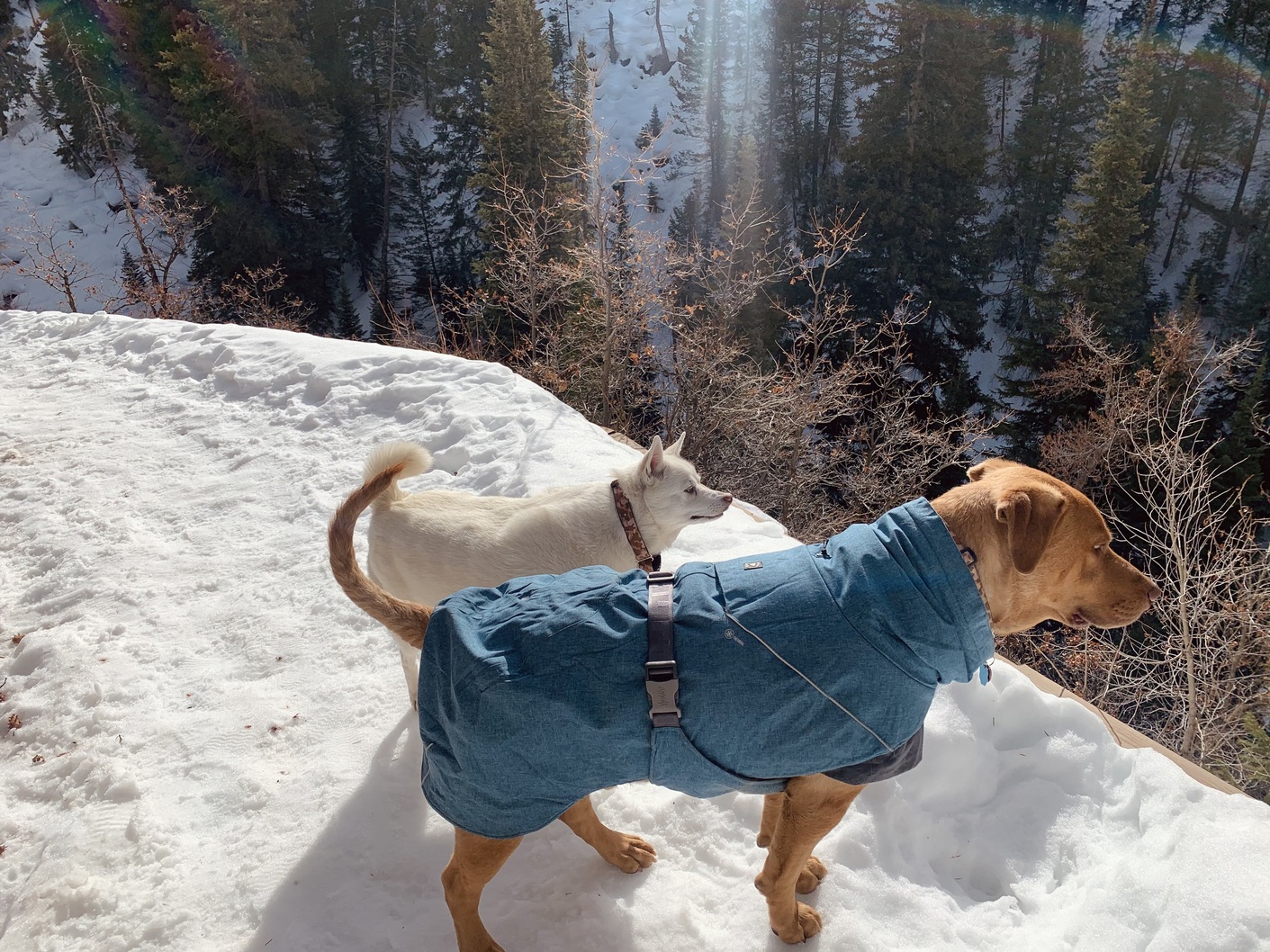
For whatever reason, there are those who balk at the thought of dressing dogs in coats, jackets, sweaters, and booties. They may see the act as unnecessarily humanizing, or as a way of treating a dog like a doll to be dressed up. But, in fact, warm outerwear for dogs can be more about function than fashion.
If you live somewhere with frigid winters, you and your dog likely brave freezing temperatures, snow, and ice together. Different breeds experience this season in different ways—huskies, for example, may frolic while Chihuahuas freeze. Breed, age, and body type all inform what kind of protective accoutrements your best friend may need.
Here’s what to know about whether, and how, to bundle up your best bud.
Do all dogs need winter coats?
Whether your dog needs a winter coat depends on a few factors.
Fur may seem like its own protection from the cold, but—natural or otherwise—not all coats are created equal. Northern breeds like huskies, malamutes, akitas, and samoyeds were bred to withstand and even thrive in freezing temperatures. They possess an insulating layer of fur called an undercoat that “helps trap warm air close to their bodies,” said Nancy Welborn, DVM, an associate professor of community practice at Louisiana State University’s School of Veterinary Medicine.
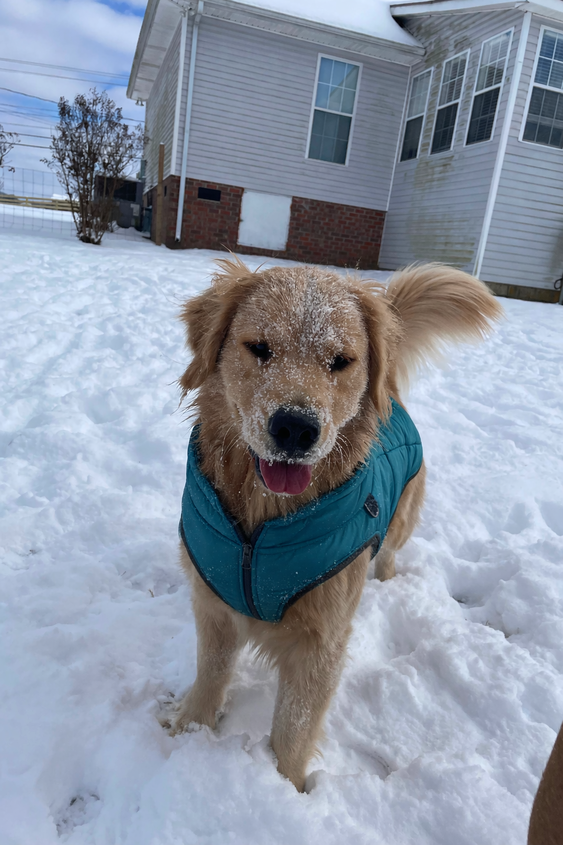
With this undercoat in addition to their protective topcoat, these breeds are called double-coated dogs, and tend to do better in the cold without extra protection. Some dogs that aren’t Northern breeds—like golden retrievers, Labrador retrievers, and corgis—also sport double coats whose underlayer may be thinner. But Northern breeds have less of a need for an additional winter coat, “and may even become too warm under milder conditions or under increased activity,” said Brian Collins, DVM, Diplomate of the American Board of Veterinary Practitioners, with the Cornell Richard P. Riney Canine Health Center.
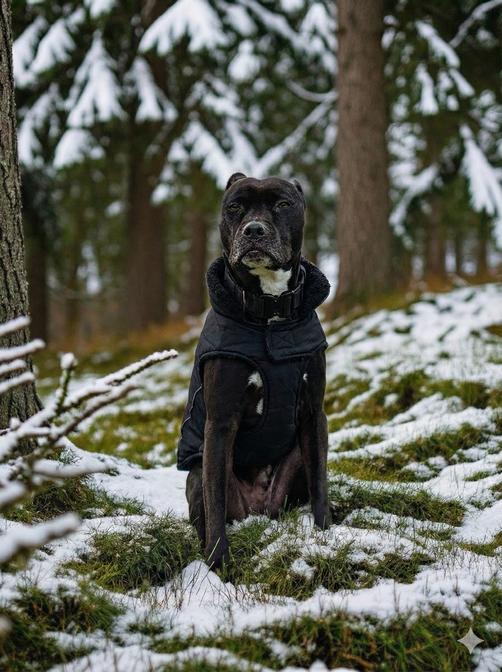
On the other hand, single-coated dogs likely do need an extra layer when it gets chilly out. Whether they’re shorthaired, longhaired, or hairless altogether, these less naturally insulated dogs could benefit from a jacket’s protection. “Without a coat, some dogs will become uncomfortable and can even be at risk for hypothermia,” Dr. Collins said.
According to Dr. Welborn, signs that a dog is suffering from hypothermia may include uncontrollable shivering, sluggishness, and cold-to-the-touch extremities like their nose, ears, and feet. These appendages get cold first, she said, because the dog’s body is trying to centrally conserve heat for their organs.
A dog’s body type and age can influence their outwear needs, too. Lean dogs like greyhounds can use help keeping warm, as can diminutive and short-legged dogs who are close to the frigid ground. Young and elderly dogs have more trouble regulating their internal temperature than adult dogs in the prime of their lives, and a coat can help ensure their coziness and comfort outdoors.
“The goal of a winter coat is to allow dogs to enjoy the winter weather, [and] to stay comfortable and safe—just like us,” Dr. Collins said.
Do all dogs need booties?
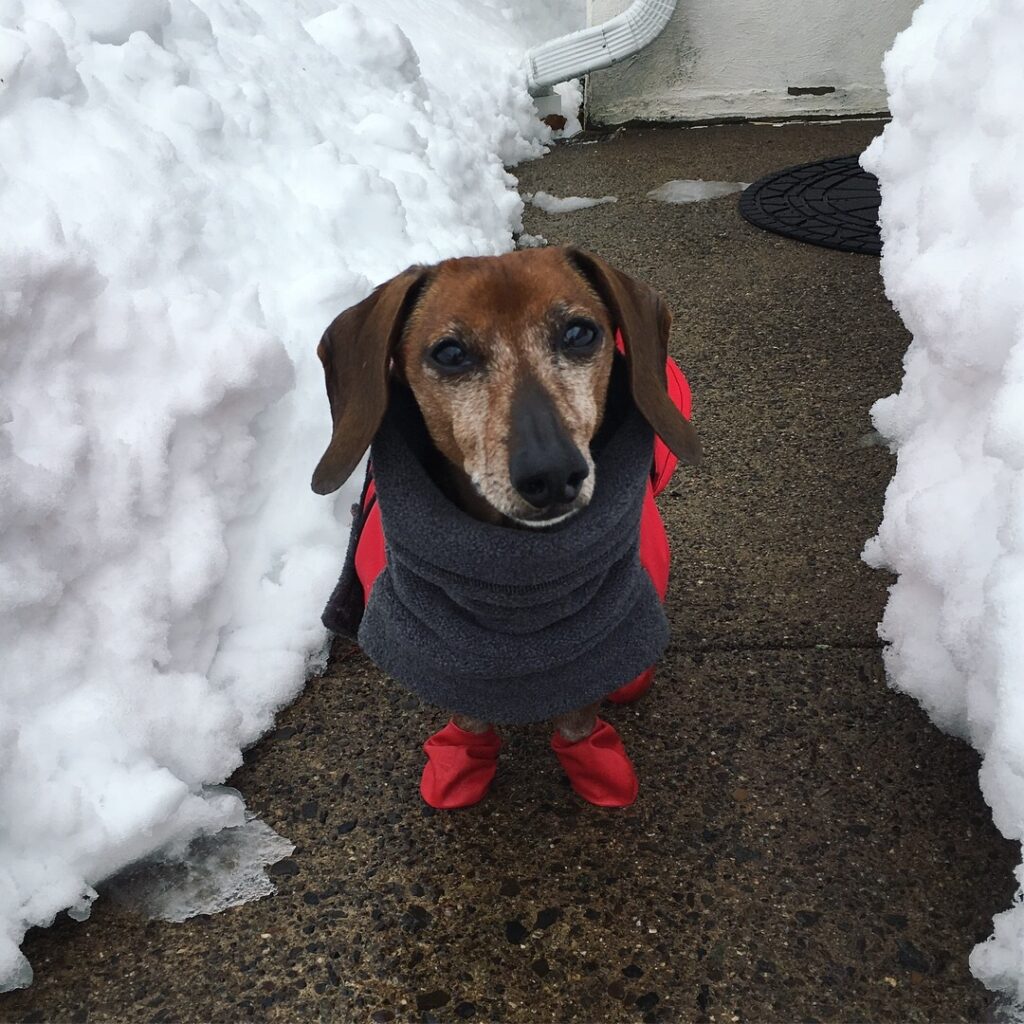
Dog paws are built to tolerate the cold, thanks to a network of arteries and smaller veins that help keep dogs’ extremities warm. Researchers in Japan described this system in a 2011 paper published in the journal Veterinary Dermatology. But this evolutionary advantage only goes so far, even among sled dogs bred to mush for miles in the snow. Booties can save your dog discomfort in extreme cold, especially when the ground is covered in snow, slush, and ice. Not only do they keep their feet warm and dry—they also protect them from toxic de-icers that can be dangerous, like road salt and chemical melting agents.
“Any de-icer can be potentially dangerous and irritating to dogs’ paws,” Dr. Welborn said. Rock salt, for instance, can tear paw pads open, while chemical melters can even burn them. She also advised dog owners to rinse their dogs’ feet after a bare-paw walk on a salted sidewalk to prevent them from ingesting the stuff while grooming.
An alternative Dr. Collins mentioned for those whose dogs don’t like booties is to apply dog-safe wax products to their paws. These, he said, “help protect against cold, snow buildup, and irritation from salt.”
When is it time to put my dog in their winter gear?
A general rule of thumb Dr. Welborn recommended is that if it’s cold enough for you to bundle up, it’s likely cold enough to do the same for your dog. Dr. Collins suggested dressing your dogs in a coat and booties once the temperature drops below freezing. Smaller dogs may also get cold more quickly, so watch for whether your petite Chihuahua or Chinese crested is already trembling at 40 degrees Fahrenheit.
Paying attention to your dog’s body language can also clue you into how the weather is affecting them. “They may walk more slowly or refuse to walk altogether,” Dr. Collins said. If they’re shifting from one leg to another or keeping paws off the ground, then extra layers are in order.
What kind of winter coat does my dog need?
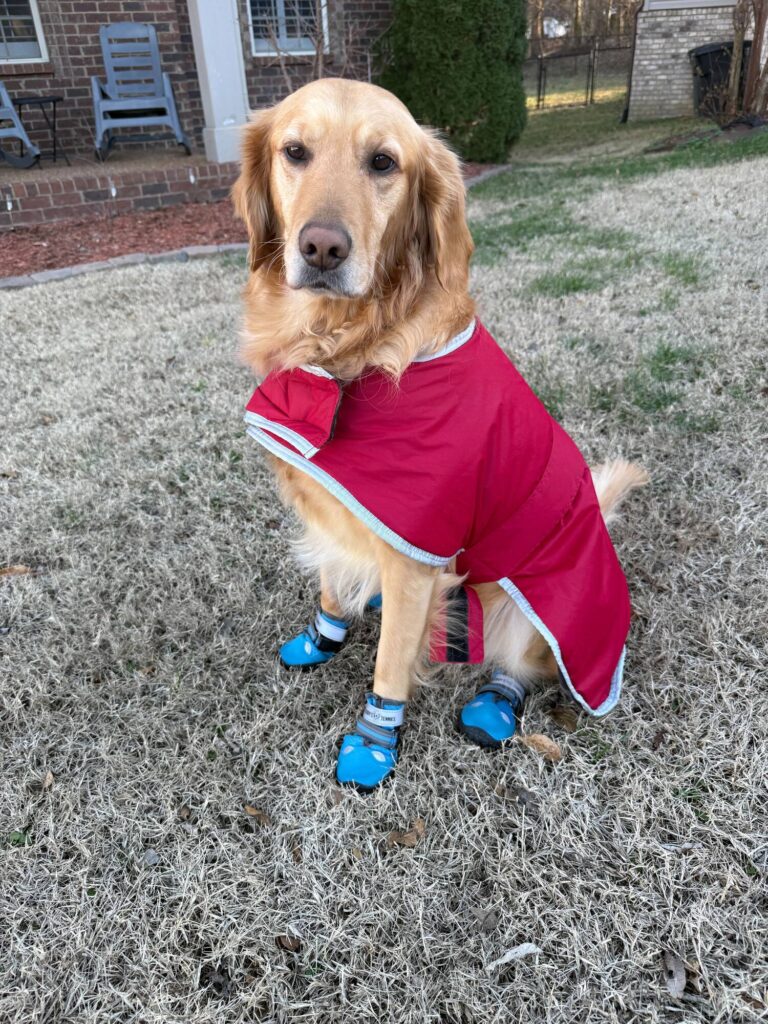
A good winter coat fits well without restricting mobility and “allows for dogs to take potty breaks,” Dr. Collins said. Ideally it’s easy to put on and take off, but is secure enough that it won’t come off from a roll in the snow or in a gust of wind.
While there’s a variety of styles and materials available, from full-body waterproof suits to fleece hoodies, Dr. Collins said it’s important to consider your dog’s needs. A coat just for walks may be different from a coat for play, for example. A whippet may require a full-body fleece, while a corgi may only need a light cape. And, since you’ll have to wash the coat as it gets dirty, think about whether a machine-washable garment is more appealing than one that requires handwashing. He also noted that coats may feature openings for leashes, collars, and harnesses—so choose apparel based on how you walk your dog.
What kind of booties does my dog need?
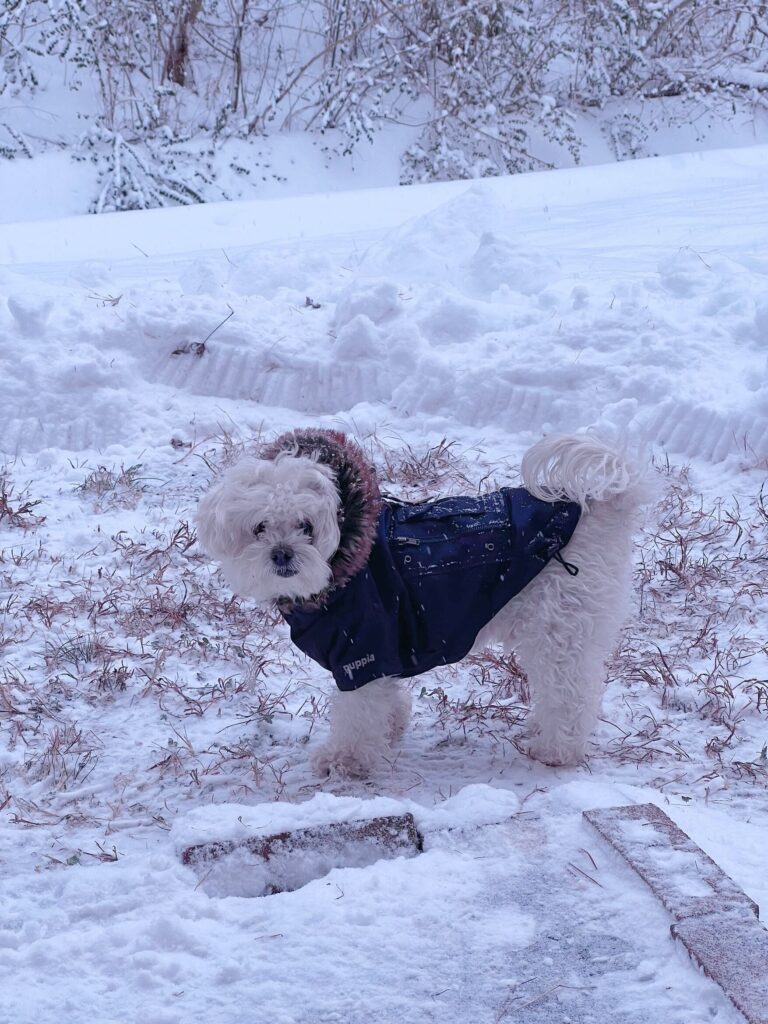
Likewise, good booties are easy to put on and take off, but will stay on once fastened. “They should have a soft, warm lining and be water-resistant,” Dr. Collins said, with good traction from the soles.
Another important note: most dogs need to be trained to wear their booties. “When you first put them on, [dogs] tend to high-step and shake their feet,” Dr. Welborn said, “so some training is involved.” This is thoroughly documented in videos on social media, sometimes soundtracked by humans laughing in the background at their dogs’ awkward attempts to ambulate in their novel footwear. With that in mind, your dog’s introduction to booties shouldn’t be on a walk, but indoors where they’re comfortable. This step is crucial to desensitization—presenting a new stimulus at manageable levels until your dog is accustomed to it—so they can figure out on their own how to move. Pairing this acclimation period with counterconditioning—creating a positive association with the stimulus through treats or toys—can help your dog view the booties more favorably, too.
You can find a step-by-step guide to acclimating your dog to booties in our winter care guide.
The idea of clothing your furry friend may seem absurd to some traditionalists, but in reality it can offer practical protection from the elements. Keeping your best buddy warm with proper winter attire will make long, cold winters all the more tolerable. And, yes, you might even find yourself snapping pictures of them wearing their goofy, adorable little jacket.
Related Topics
Related Topics
More on Health & Wellness
Health & Wellness, Lifestyle • 10 minutes
Do Dogs Need a Skin-Care Routine?
Healthy dogs don’t need a full-blown regimen, but you must still care for their skin.
Health & Wellness, Nutrition • 11 minutes
Pet Food Standards Explained: What Dog Owners Need to Know
Cut through the confusion and catchphrases.
Health & Wellness, Science & Research • 4 minutes
What Dog Owners Need to Know About CTT Stones
Here are key facts about these newly discovered canine bladder stones.
Health & Wellness, Lifestyle • 10 minutes
Do Dogs Need a Skin-Care Routine?
Healthy dogs don’t need a full-blown regimen, but you must still care for their skin.
Health & Wellness, Nutrition • 11 minutes
Pet Food Standards Explained: What Dog Owners Need to Know
Cut through the confusion and catchphrases.
Health & Wellness, Science & Research • 4 minutes
What Dog Owners Need to Know About CTT Stones
Here are key facts about these newly discovered canine bladder stones.