Share article:


In this article:
- What is a collapsing trachea in dogs?
- How do veterinarians diagnose a collapsing trachea in dogs?
- Is there a cure for a collapsing trachea in dogs?
- What are the signs of tracheal collapse in dogs?
- Is coughing a sign of tracheal collapse in dogs?
- Is struggling with physical activity a sign of tracheal collapse in dogs?
- Is a “quacking” or goose-honk sound a sign of tracheal collapse in dogs?
- Is respiratory distress a sign of tracheal collapse in dogs?
- Should you bring your dog to a vet if you’re worried about tracheal collapse?
- How can you help a dog with tracheal collapse?
- Why is it important to keep a dog at a healthy weight?
- Should I use a harness instead of a collar when walking my dog?
- What medications can help a dog with tracheal collapse?
- Do dogs need surgery for tracheal collapse?
- Can pollution and heavy exertion affect tracheal collapse in dogs?
- Can anxiety and stress affect tracheal collapse in dogs?
- What other health conditions can make tracheal collapse worse in dogs?
More often than not, a cough is just a cough, so there’s no need to worry too much if you hear your dog cough once. Most dogs, just like most people, cough once in a while. And most of them get right back to playing in the yard and begging for an early dinner.
But if you’re hearing hacking noises at all hours of the day, there’s probably something deeper going on, and you should call your veterinarian. And one cause of a persistent cough in a dog can be a collapsing trachea.
Tracheal collapse is a health condition affecting a dog’s windpipe. It is a progressive disease, meaning symptoms naturally worsen over time. But treatment can improve a dog’s long-term outcomes and quality of life, and early intervention is key. Brian Collins, DVM, DABVP, a veterinarian at the Cornell Richard P. Riney Canine Health Center, has a motto for this. “I always tell people, treat the treatable,” he said.
What is a collapsing trachea in dogs?
The trachea is the flexible tube in the neck and chest that mammals use to breathe. In dogs with tracheal collapse, the C-shaped rings of cartilage that hold the trachea open begin to weaken and flatten, leaving them prone to coughing.
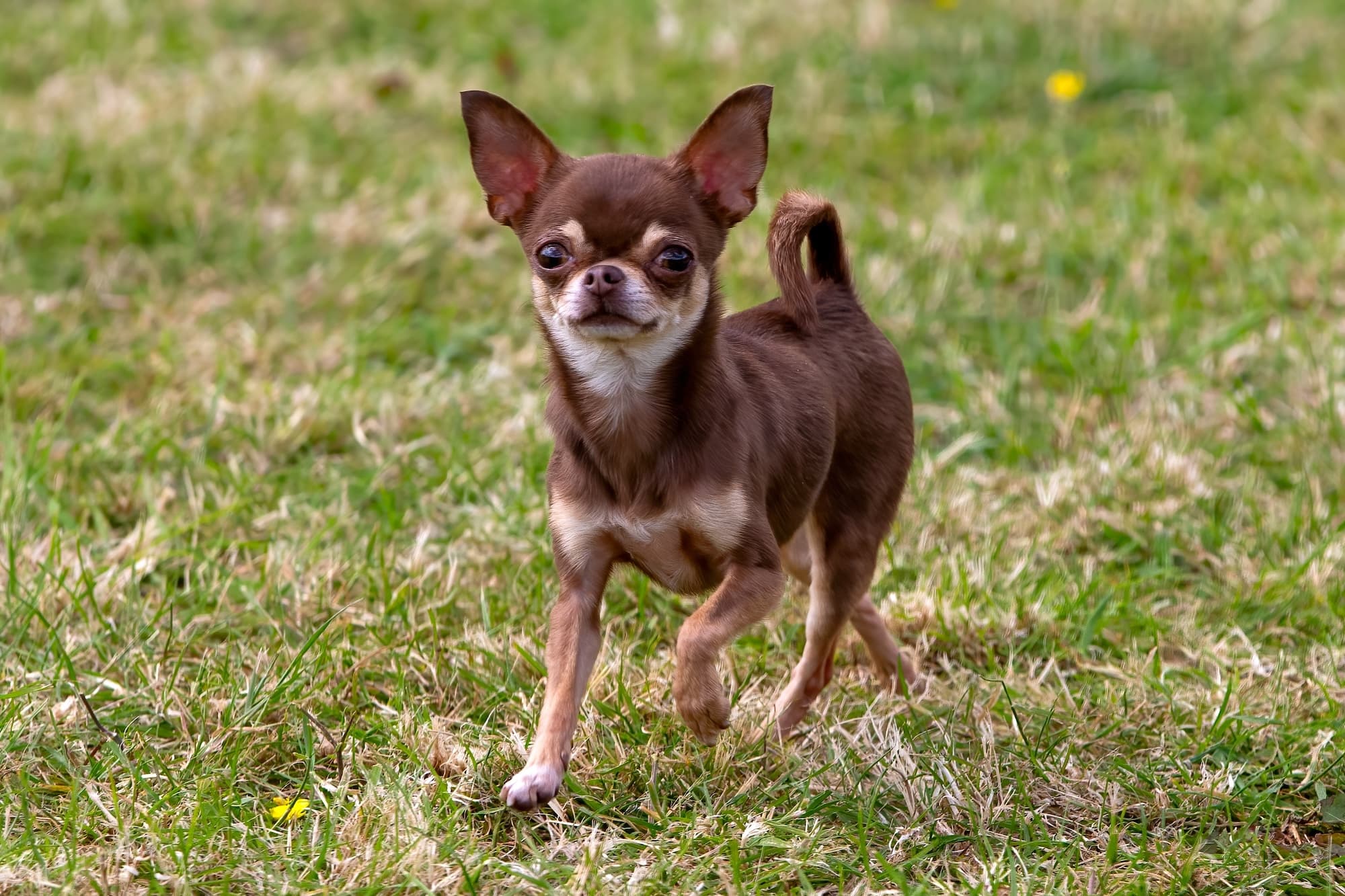
Small dogs like Yorkshire terriers, pugs, Maltese, and Chihuahuas are the most prone, but according to Cassie Lux, DVM, DACVS (SA), Professor of Surgery at the University of Tennessee College of Veterinary Medicine, medium-size and larger breeds can also develop the condition, usually as a secondary outgrowth of other diseases.

How do veterinarians diagnose a collapsing trachea in dogs?
To diagnose tracheal collapse, vets usually begin with a physical exam and possibly X-rays. From there, your vet might choose to start treatment or refer you to a specialist who can run more precise diagnostic tests to confirm the diagnosis, rule out other conditions, and pinpoint where, exactly, the collapse is occurring.
Is there a cure for a collapsing trachea in dogs?
There is no known cure for tracheal collapse; it’s a progressive disease, meaning that, without treatment, symptoms will generally worsen with time.
That said, your vet can prescribe medications, recommend lifestyle changes, and, in severe cases, refer your dog for surgery or other interventions that can help manage their symptoms, address factors that could worsen the condition, improve quality of life, and extend their lifespan.
According to Dr. Lux, around 70% of dogs with tracheal collapse respond positively to medical management. Ultimately, these dogs’ lifespans will depend on how severe the disease is when it’s identified. “If the only signs are the typical ‘goose honk’ or ‘quack’ dry cough, and the signs respond to medical management, these dogs can often live a long, happy life,” she said.
What are the signs of a collapsing trachea in dogs, and how does the condition progress?
Collapsing trachea often starts slowly. Over time, symptoms can become more severe, especially when left unmanaged. Here are signs to watch out for. If you notice any of them, call your veterinarian.
Intermittent to persistent coughing
The first sign of a collapsing trachea is usually a dry, hoarse cough. According to Dr. Lux, it’s often intermittent at first. “Then, as the disease progresses, the cough becomes consistent.”
Because the early signs of tracheal collapse can be sporadic, Carly Fox, DVM, Senior Veterinarian, Emergency & Critical Care Service at Schwarzman Animal Medical Center told us, dog owners often miss them. But if you notice them, she said, “It’s really helpful to go to your primary care vet, especially when they’re not in the middle of a crisis.”
Struggling with physical activity
Dogs with collapsing tracheas often exhibit some degree of exercise intolerance, including coughing during activity or stress. As the disease progresses, they might begin coughing while lying down or sleeping as well. “Some dogs really can’t rest at night because lying down puts pressure on the chest,” Dr. Lux said. “That puts pressure on the windpipe, and it makes them cough.”
A telltale “quack” or goose-honk
In dogs with advanced tracheal collapse, you might hear a dry, hoarse sound coming from their airway even during normal panting or heavy breathing. According to Dr. Lux, “It almost sounds like a quack,” and it’s a sign that your dog’s condition has progressed.
Respiratory distress
In extreme cases, some dogs might experience difficulty breathing, fainting, or gums and tongue turning blue. These signs are not common, but if you notice them it’s a respiratory emergency and you should take your dog to the vet immediately.
Should you bring your dog to a vet if you’re worried about tracheal collapse?
It’s always worth speaking with your vet if you believe your dog might have a collapsing trachea (or if you have any other concerns about their health). They can examine your dog, make a diagnosis, and recommend appropriate interventions.
Take your dog to the vet immediately if you notice any of the following signs:
- Coughing that will not stop
- Inability to rest due to coughing and respiratory issues
- Inability to eat or drink water
- Collapsing or fainting
- Blue gums or tongue
- Any sign your dog is struggling to breathe
When in doubt, Dr. Fox said, it’s always best to bring your dog in—and the sooner the better. From her experience in the ER, “It is often the cases that are [struggling] for hours that come in and need immediate intubation.” As scary as this sounds, she added, early intervention and ongoing care make a big difference.
“You’re less likely to end up in the emergency room if you have a primary care vet that knows the dog and is managing the symptoms with medication,” Dr. Fox said.
How can owners help dogs with tracheal collapse?
Although there is no cure for collapsing trachea in dogs, there are several things you can do to help manage their symptoms and protect their long-term health. Dogs with well-managed tracheal collapse can live normal livespans.
Maintain a healthy weight
This is one of the most important things you can do for a dog with tracheal collapse, and to keep a dog healthy in general. According to Dr. Lux, the extra fat that collects around overweight dogs’ necks and chest walls restricts their movement, which can worsen their condition, and Dr. Fox added that overweight dogs “get winded faster, which causes inflammation, which exacerbates their underlying tracheal collapse.”
Giving your dog an appropriate amount of exercise for their abilities is important, but the most important factor in reaching and maintaining a healthy weight is ensuring that your dog eats the right number of calories. That’s why a pre-portioned meal plan can help make it easier to manage your dog’s weight.
Use a harness during walks
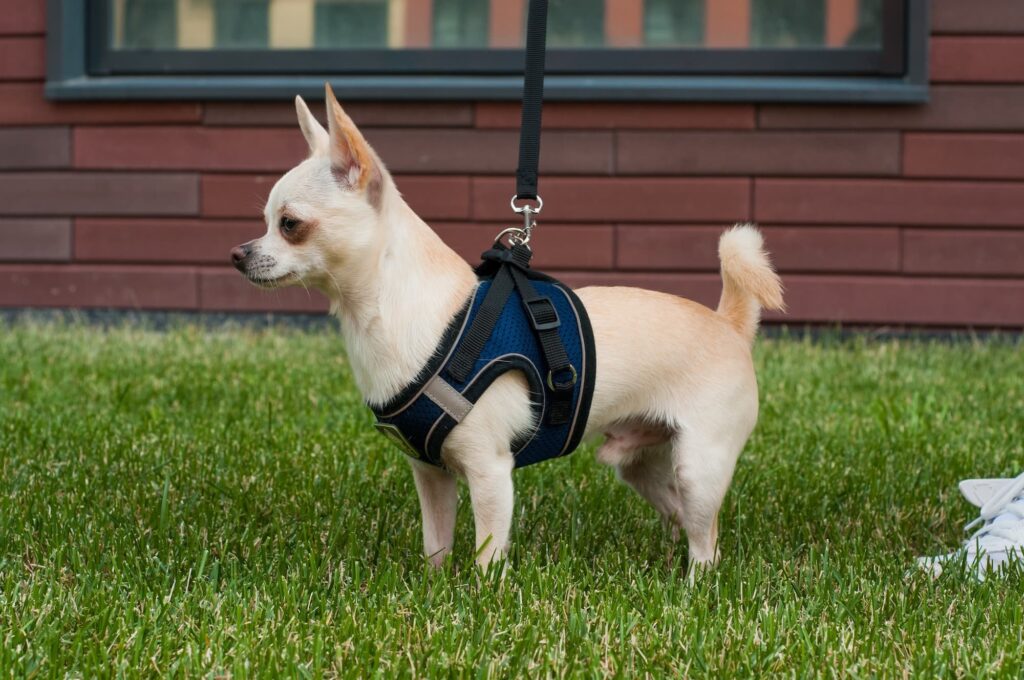
Switching from a collar to a harness might sound like a small change, but it matters a lot. According to Dr. Lux, dogs with collapsing tracheas should be fitted for harnesses and not have any restraint around their neck walking outside. This simple switch limits irritation to the trachea, which is crucial to managing the condition.
Give them the right (vet-prescribed) medications
Veterinarians most often prescribe cough suppressants containing hydrocodone to dogs with collapsing tracheas. In some cases, a vet might prescribe butorphanol, which is a bit stronger, but according to Dr. Lux, “It’s also more expensive and has to be dosed much more frequently, so we usually don’t choose that right away.”
Steroids might be prescribed to reduce airway inflammation. In cases where other diseases are affecting the lungs, a vet might add other medications like bronchodilators (for bronchitis) and antibiotics (for confirmed pneumonia).
There are also medications that can help improve the efficacy of cough suppressants, like maropitant citrate. “Typically, we use it for nausea and vomiting,” Dr. Lux said, “but there’s some evidence that it will help with these guys that cough as well.” As a result, some veterinarians will try it for patients whose coughs don’t go away with other medications.
Surgery or non-invasive intervention
Dr. Lux estimates that for every 10 patients she sees with tracheal collapse, only two to three of them require surgical or non-invasive intervention. Still, in some cases, it’s a necessary step to keep the windpipe open.
A self-expanding stent can be inserted to hold the trachea open. This is the most common choice, according to Dr. Lux, because it is non-invasive.
A surgical procedure called “extraluminal ring surgery” can place firm rings outside the trachea, securing them to the surface and holding it open. According to Dr. Fox, this surgery “is not commonly performed, and the location of collapse needs to be very specific.”
Again, these procedures are not required for most dogs. “When we do it, a lot of times it’s because these patients have really gone downhill fast,” Dr. Lux said.
Avoid pollution and heavy exertion
Heavy exercise, hot and humid conditions, and air pollutants (including from secondhand smoke) can all exacerbate symptoms of tracheal collapse. Avoid strenuous activity, and any area where your dog might breathe in harmful pollutants that could compromise their respiratory systems. Slow, relaxed walks early in the morning or in the evening shade—any time when the sun is not as intense—are the best way to keep dogs with tracheal collapse in good physical shape.
Manage anxiety and reduce stress
Stress and anxiety can lead to panting and barking, which can increase inflammation and lead to more coughing—none of which is good for a dog with collapsing trachea. For this reason, it’s important to keep dogs with tracheal collapse calm and content.
Address other health conditions
Certain health conditions, like heart, respiratory, and dental disease, can make tracheal collapse worse. Because of that, it’s important to maintain good overall health.
It can be scary to hear a diagnosis with a name like “collapsing trachea”—but in many cases, dogs with well-managed symptoms can live long, happy lives. With early care, you can help your dog (and everyone who loves them) breathe a little easier.
Related Topics
Related Topics
More on Health & Wellness
Health & Wellness, Nutrition • 16 minutes
What’s the Best Food for Senior Dogs?
Seniors should receive complete and balanced nutrition that meets their specific health needs—because every dog ages differently.
Health & Wellness • 9 minutes
When Should I Spay or Neuter My Dog?
Talk through the timing with your veterinarian.
Health & Wellness, Training & Behavior • 8 minutes
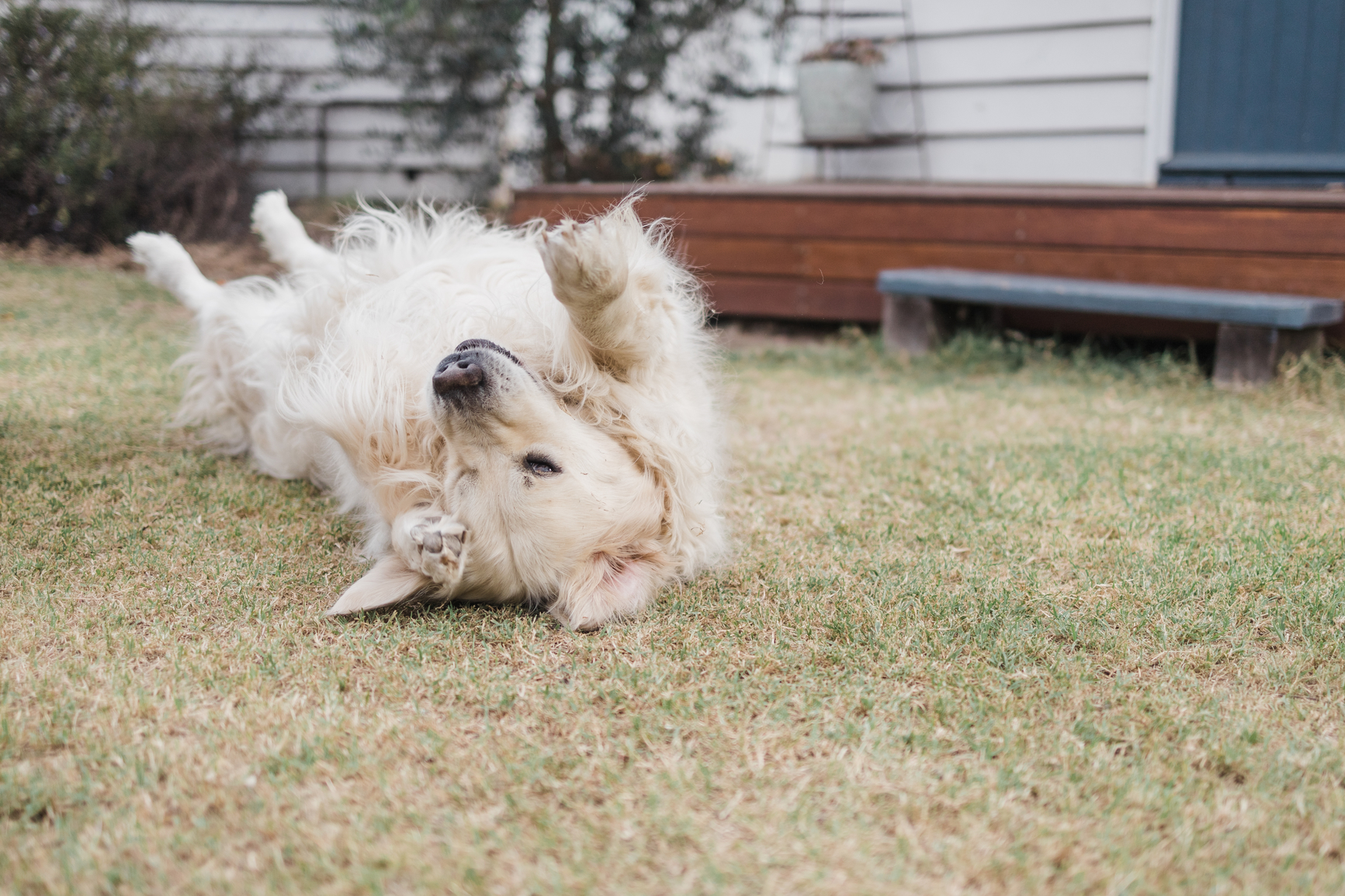
Why Do Dogs Love to Roll in Smelly Things?
Here’s where they get their passion for pungency, and what to do about it.
Health & Wellness, Nutrition • 16 minutes
What’s the Best Food for Senior Dogs?
Seniors should receive complete and balanced nutrition that meets their specific health needs—because every dog ages differently.
Health & Wellness • 9 minutes
When Should I Spay or Neuter My Dog?
Talk through the timing with your veterinarian.
Health & Wellness, Training & Behavior • 8 minutes
Why Do Dogs Love to Roll in Smelly Things?
Here’s where they get their passion for pungency, and what to do about it.