Share article:


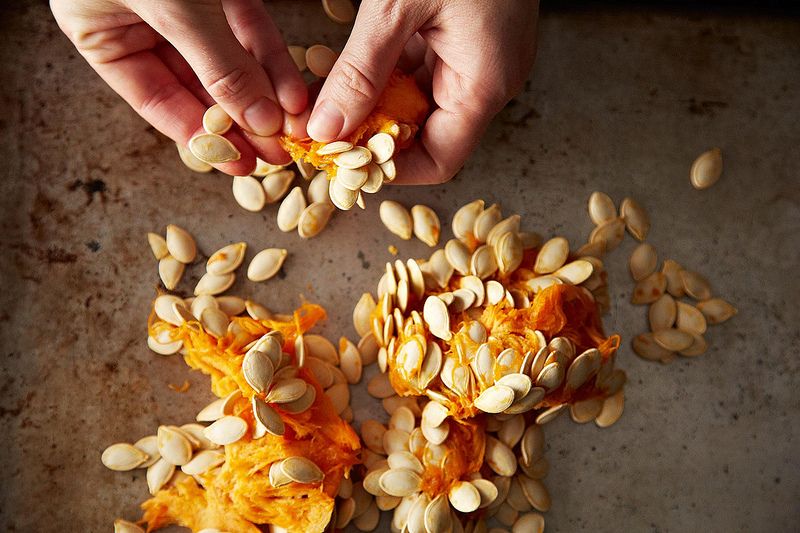
Roasted or toasted, pumpkin seeds are a crunchy fall treat for both you and your dog. You may already be familiar with the benefits of canned or cooked pumpkin for dogs, but don’t dump the seeds. Loaded with fiber and a healthy dose of protein, pumpkin seeds pack a powerful nutritional punch and are delicious to boot.
The Stats:
Pumpkin seeds contain about 125 calories per ounce. A serving this size contains 5 grams of fat, 5 grams of protein, and 15 grams of carbohydrates. It also contains a whopping 5 grams of dietary fiber! Pumpkin seeds are incredibly rich in phosphorus and magnesium and contain a significant amount of copper, zinc, calcium, iron, and antioxidants as well.
The Benefits:
1. Act as a natural de-wormer to get rid of tapeworms and other intestinal parasites
2. May help dislodge kidney stones and prevent them from reforming
3. Omega-3 fatty acid content helps to improve the condition of skin and coat
4. Fiber content improves and regulates digestion to prevent constipation
5. Antioxidants protect against free-radical damage and oxidation in cells
6. Calcium content supports bone strength and muscle health
7. Omega-3 content boosts cognitive performance and may help prevent cognitive decline
8. Natural oils protect urinary tract health, helping prevent UTIs
9. Iron content protects against anemia and supports red blood cell health
10. Soluble fiber content absorbs water, adding bulk to stools to relieve diarrhea
How to Feed It:
One of the easiest ways to add pumpkin seeds to your dog’s regular diet is to grind them up and add them to his regular meals. You can also bake or roast the seeds whole and offer them to your dog as a healthy snack.
What to Watch For:
If feeding whole seeds, keep an eye on the portions. Only give your dog a few seeds at a time, as the fat content can lead to soft stools or diarrhea when fed in large quantities. And don’t salt the seeds when you roast them! Your dog doesn’t need any extra sodium spooking him this fall.
Image: Food 52
Related Topics
Related Topics
More on Nutrition
Health & Wellness, Nutrition • 16 minutes
What’s the Best Food for Senior Dogs?
Seniors should receive complete and balanced nutrition that meets their specific health needs—because every dog ages differently.

Nutrition • 8 minutes
Is The Farmer’s Dog Good for My Senior Dog?
Fresh food from The Farmer’s Dog is a great choice for dogs of any age, and has some benefits that are especially relevant to seniors.
Nutrition • 7 minutes
Why The Farmer’s Dog Is Great for All Life Stages
The Farmer’s Dog has healthy choices for puppies, adults, and senior dogs.
Health & Wellness, Nutrition • 16 minutes
What’s the Best Food for Senior Dogs?
Seniors should receive complete and balanced nutrition that meets their specific health needs—because every dog ages differently.
Nutrition • 8 minutes
Is The Farmer’s Dog Good for My Senior Dog?
Fresh food from The Farmer’s Dog is a great choice for dogs of any age, and has some benefits that are especially relevant to seniors.
Nutrition • 7 minutes
Why The Farmer’s Dog Is Great for All Life Stages
The Farmer’s Dog has healthy choices for puppies, adults, and senior dogs.