Share article:


In this article:
- Why do some people say they’re “pet parents”?
- Why do some people object to others saying they’re a dog’s “mom” or “dad”?
- Is caring for a dog like parenting a child?
- How much does it matter which words you use to describe your relationship with your dog?
Some time ago, I received a heads-up from one relative, whom I’ll call “Mike,” about another, whom I’ll call “Dave.” These are not even close to their real names.
“Don’t say you’re Sheldon’s ‘dad’ in front of Dave,” Mike cautioned me ahead of a holiday get-together, naming my dachshund. “He hates that.” Mike calls himself his dog’s dad… but, in an effort to avoid conflict, not in front of Dave.
Anecdotally, these types of conflicts are pretty common. Dog people have particular ways of describing the close, loving relationships they have with their pets, and sometimes they have very strong feelings about the words others use—and what they might imply about certain human caretaking roles.
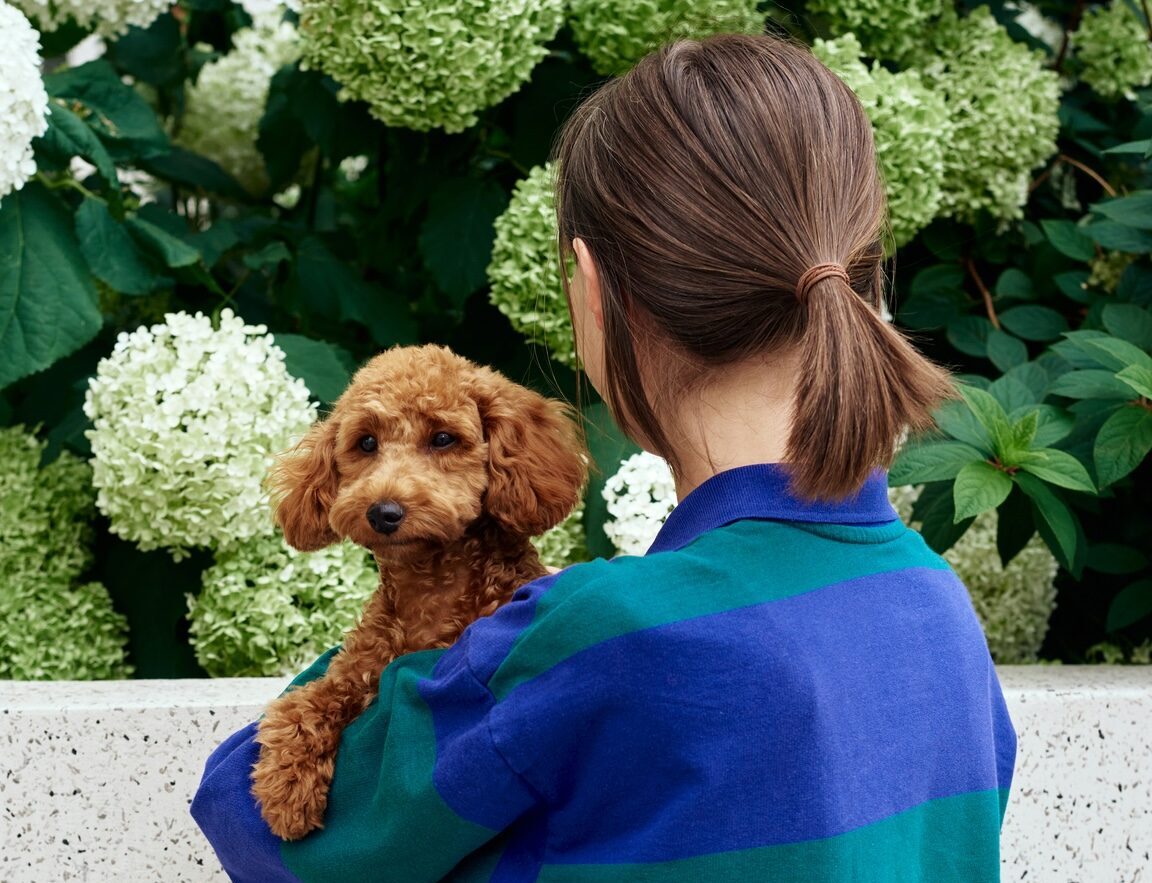
Whatever you call your best friend (hey, there’s another term for your bond!), chances are you love them and consider them part of your family. So why does the vocabulary dogs’ caretakers use vary so much, and why does there sometimes seem to be such a stark divide about it? Experts like ethologists and psychologists have considered this question, and we got some of them on the horn to see if they could help us sort it out.
Why do some people say they’re “pet parents?”
In 2021, Shelly Volsche, PhD, CPDT-KA, a lecturer in anthropology at Boise State University and a dog trainer, published an Evolutionary Psychology paper titled “Pet Parenting in the United States: Investigating an Evolutionary Puzzle.” The study used surveys to find out how respondents felt about their relationships with their dogs, and what words they used to describe them. Dr. Volsche found differences among dog owners with human children and those who didn’t have them—the childless seemed to have more time and energy to devote to their dogs. But the groups were equally likely to use words like “parent,” “mom,” or “dad” in describing their role in their dogs’ lives.
Miriam Jayaratna, PhD, a clinical psychologist, writer, and dog person in Florida, said that people call themselves “dog parents” to express their emotions toward their pets. “I think it’s to convey the feelings of love that people have for their dogs,” she said, “along with the responsibility of nurturing them and keeping them safe. My understanding is that most people use the term in a slightly joking, tongue-in-cheek way; they know they’re not the dog’s actual parent, but they feel like the dog is a member of the family, and they want to convey that with their language choice.”
Marc Bekoff, PhD, professor emeritus of ecology and evolutionary biology at the University of Colorado, Boulder, said that there were many possible reasons a person could call themselves a dog’s “parent,” but that the explanation was mostly innocuous. “My own personal experience,” he said, “is that usually it’s done more in a friendly way and in a tone of voice that basically tells the dog, ‘We love you, you’re part of the group, and you can feel safe and trust us.’”
Why do some people object to others saying they’re a dog’s “mom” or “dad?”
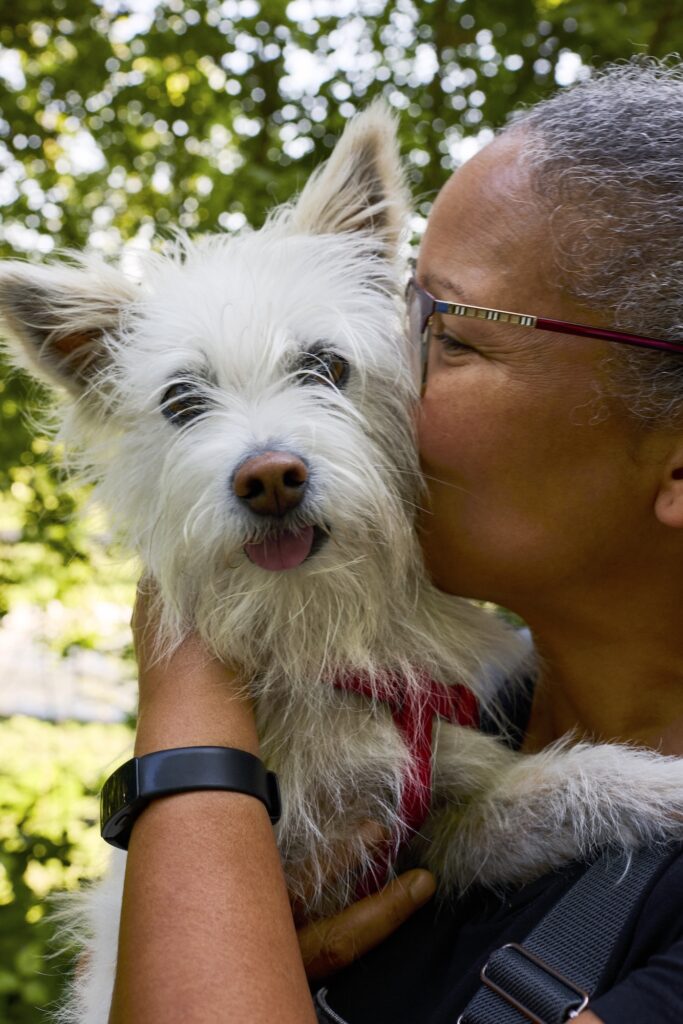
There are an infinite number of reasons that someone might bristle at one phrase or another, and that goes for people who don’t like to hear others say that a dog is their “baby.” But, at least some of the time, it may come down to a feeling that caring for a human child deserves its own special recognition and terminology.
Given the challenges and sacrifices involved in raising a human being over the course of at least 18 years, Dr. Jayaratna said, some parents who hear someone call themselves “mom” or “dad” to a dog “feel like the word is being misused or trivialized.”
This type of reaction may be behind one of the findings in Dr. Volsche’s paper: While parents and non-parents of human kids were equally likely to call themselves dog “moms” or “dads”—in fact, a whopping 64.8% did so when talking to friends and relatives—they didn’t use those words in front of everyone. When talking to strangers or colleagues, those same respondents were more likely to call themselves a dog’s “owner,” and did so 52.7% of the time.
“In the United States, in particular,” Dr. Volsche said, “we’re very sensitive to the perceptions of others. We call it ‘code switching.’ We change how we talk about ourselves with close friends and family versus strangers or coworkers.”
Dr. Jayaratna, who we can confirm loves her corgi, calls herself his “owner.” She figures her dog already has a mother—another dog. She’s not offended by parental terminology, though. “If someone else calls me his mother,” she said, “I jokingly correct them that I’m his stepmother, because he’s my husband’s dog from before we met.”

Is caring for a dog like parenting a child?
There are many differences between caring for a human child and doing the same for a dog, but Dr. Volsche contended that looking after a dog can be a type of “alloparenting.” That term describes care provided by someone other than a creature’s biological parent.
“We usually use [the word] within the same species,” she said, “but one of the things that’s unique about humans is our flexibility. And we brought dogs along for that ride.”
Zazie Todd, PhD, a psychologist, certified dog trainer, and frequent Digest source, has written about how thinking of what “parenting style” you use with your dog can help you take better care of them. Her quick summary is that an “authoritative” parenting style involving “affection, positive training, and an awareness of the pet’s needs” is likely to result in happier dogs and people.
Lori Evans, PhD, a psychologist in New York City, offered a caveat for parents with children: While youngsters know the difference between animals and human siblings, it’s preferable to refer to your dog as a “member of the family,” rather than a “brother” or “sister,” when talking to your child. Using this terminology, she said, would “avoid any confusion.”
And Dr. Jayaratna warned against using a dog as “practice” for a future human child. Not only are the responsibilities not as similar as some people think, but viewing a dog as a means to an end—a way of getting ready for your “real” family member—can result in a dog who doesn’t get treated with the love and respect they deserve. “It just breaks my heart,” she said, “when I see a dog who was once adored and cherished become a burden and then get treated with resentment.”
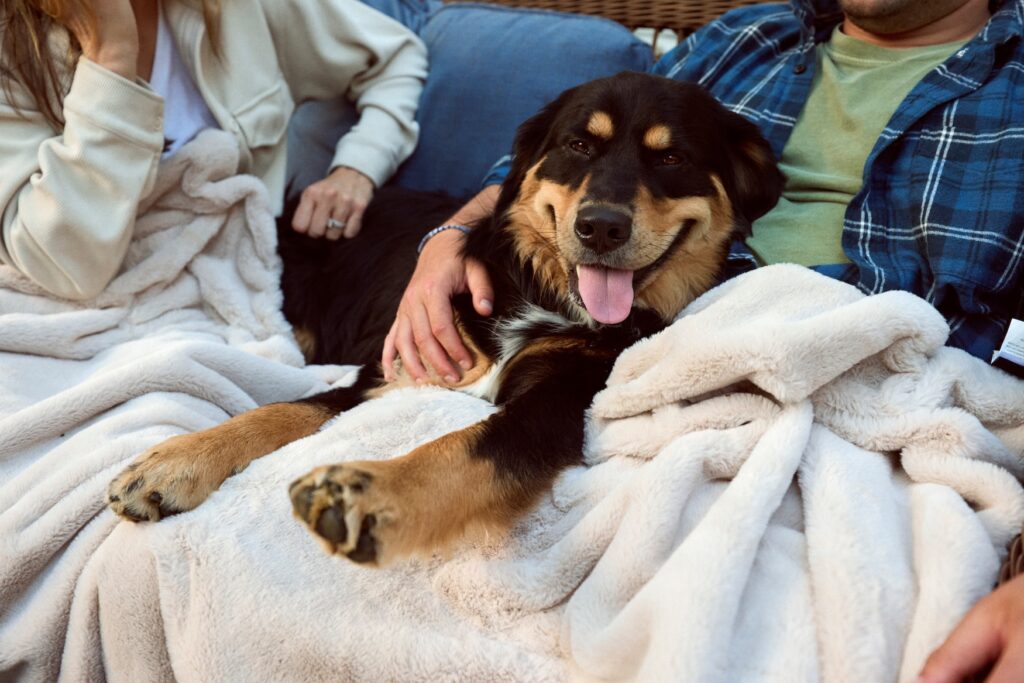
How much does it matter which words you use to describe your relationship with your dog?
From your dog’s perspective, the vocabulary you use for their role in your family is less important than you giving them the love, training, and attention they need. If you do that, they’ll know you’re there for them.
Having said that, how does Dr. Volsche describe her relationship with her own rescue pug, Guts?
“Oh, he’s my baby,” she said. “One hundred percent.”
Related Topics
Related Topics
More on Dog People
Breeds, Dog People, Lifestyle, Training & Behavior • 11 minutes
All About Dubs, the University of Washington’s Live Dog Mascot
Here’s what it takes to keep the talented sled dog happy and healthy.

Dog People, Training & Behavior • 6 minutes
What Do Dogs Think About Daylight Saving Time?
Here’s how to help your best friend adjust when you spring ahead or fall back.

Dog People, Lifestyle, Nutrition • 8 minutes
The
Racer’s
Dog
Ryan Blaney goes fast for a living. His two dogs help him slow down.
Breeds, Dog People, Lifestyle, Training & Behavior • 11 minutes
All About Dubs, the University of Washington’s Live Dog Mascot
Here’s what it takes to keep the talented sled dog happy and healthy.
Dog People, Training & Behavior • 6 minutes
What Do Dogs Think About Daylight Saving Time?
Here’s how to help your best friend adjust when you spring ahead or fall back.
Dog People, Lifestyle, Nutrition • 8 minutes
The
Racer’s
Dog
Ryan Blaney goes fast for a living. His two dogs help him slow down.