Share article:


In this article:
- Get, or stay, up-to-date on vet visits
- Brush your dog’s teeth
- Get your dog to a healthy weight
- Teach your dog a new skill
- Measure walks differently
- Give your dog new experiences
- Listen to your dog
Every new year, as soon as the noisemakers quiet down and the confetti’s been swept up, people do their best to implement big and small changes intended to improve their lives. While humans have their own common New Year’s resolutions, it’s worthwhile to count their dogs in, too.
Here’s a list of healthy, life-enriching goals for you and your dog to tackle together. The idea isn’t to check all of them off in the coming year, but to take on as much or little as you both can handle. Set yourselves up for success, pace yourselves, and celebrate milestones along the way.
1. Get, or stay, up-to-date on vet visits
Arguably the most important goal on this list, getting or staying up-to-date on vet appointments is crucial to helping your dog maintain good health.
Checkups—once a year for healthy adult dogs and twice for healthy seniors—are a chance to verify that your dog’s vitals are within a healthy range, that they’re current on vaccines for rabies, parvovirus, leptospirosis, and more, and that they’re at a healthy weight. The latter matters—research shows that dogs in healthy body condition can live 2.5 years longer than those who are obese.
Regular physicals also make it more likely to catch any health problems early on, potentially heading off serious illness. If you don’t have a vet, consult your network of friends and family, local rescues or shelters, or other dog people for recommendations of trusted doctors.
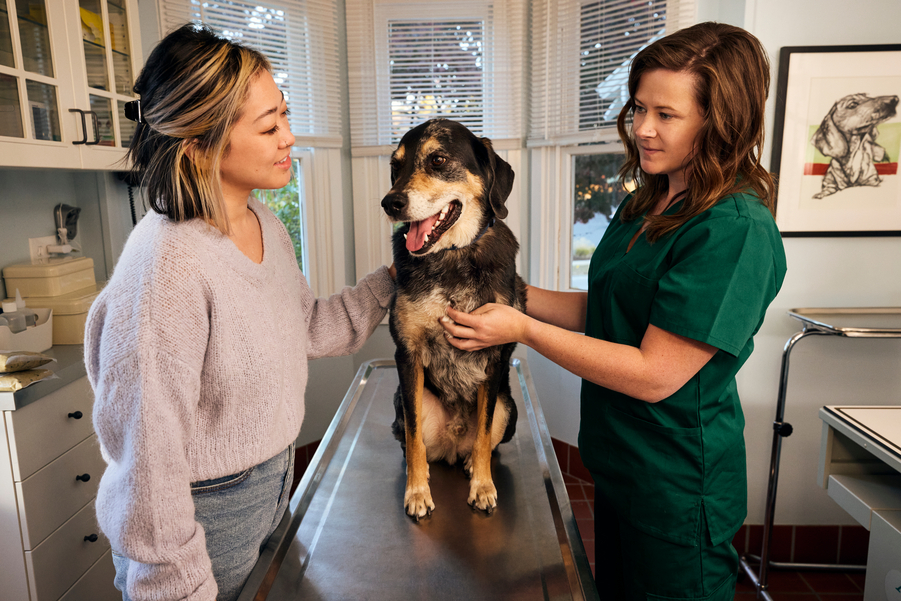
And if going to the vet scares your dog, consult the organization Fear Free, which is a partner of The Farmer’s Dog, on how to reduce your best friend’s stress. Fear Free–certified vets employ evidence-based techniques to prioritize dogs’ comfort and safety during checkups.
Financial barriers complicate this goal for many dog owners, however. A Gallup poll published in April 2025 showed that 52% of pet owners in the US surveyed skipped or declined veterinary care, and seven in 10 of those pet owners cited financial reasons for those choices. Dog owners may be able to find free pop-up vaccine clinics and spay and neuter centers in their area. The ASPCA and pet stores may offer some free or low-cost resources, too.
2. Brush your dog’s teeth
Brushing your dog’s teeth regularly is a simple step you can take to protect their long-term health. Ideally, you should brush your dog’s teeth every day. This isn’t just to save yourself from stinky breath, but to preserve their overall wellbeing. Over 80% of dogs suffer dental disease by age three. And poor dental hygiene can have consequences that extend beyond the mouth.
“Gum and tooth disease [are among] the most prevalent issues facing pet dogs,” said Alison Manchester, DVM, PhD, Diplomate of the American College of Veterinary Internal Medicine (SAIM), an assistant professor of small animal medicine at the Cornell University College of Veterinary Medicine. “Untreated, this can lead to discomfort and pain locally, but also negative impacts on distant organs—especially the liver, heart, and kidneys.”

If you never brush your dog’s teeth, then anything is better than nothing—but that doesn’t mean you should settle for cleaning your dog’s chompers once a year and declare success. If you can brush at least twice a week, Dr. Manchester said, you’ll be doing your part to protect your dog’s dental health—and brushing makes the greatest impact within an hour after a meal. Other interventions, like vet-approved dental chews, can improve oral health, too.
Dental care needs will also vary depending on your dog. Smaller breeds are predisposed to dental disease because their smaller mouths pack their teeth in closer, so deleterious plaque and bacteria build up more quickly.
If your dog has never seen a toothbrush, then you’ll need to train them to accommodate a brushing. You can find a guide on how to brush your dog’s teeth here, and signs of dental disease here.
Some vet practices and animal hospitals may also promote their services during February—Dental Health Month—and may offer discounted or free oral exams.
Make this the year you commit to a good dental hygiene routine with your best friend.
3. Get your dog to a healthy weight
Your vet can tell you if your dog ought to lose, gain, or maintain their weight. Ideal weight is informed by several factors, including body condition, spay/neuter status, and activity level. Once you know your dog’s ideal weight, you and your vet can make a plan regarding the best diet, treats, and exercise for your pooch. A pre-portioned fresh-food plan, for example, may help make weight management easier.
When we spoke to Ernie Ward, DVM, founder of the Association for Pet Obesity Prevention, about keeping dogs at a healthy weight, he told us: “Weight loss for humans and dogs is 60–70% diet and 30–40% exercise.” These two work in conjunction, so a poor diet or overfeeding can undermine benefits from exercise.
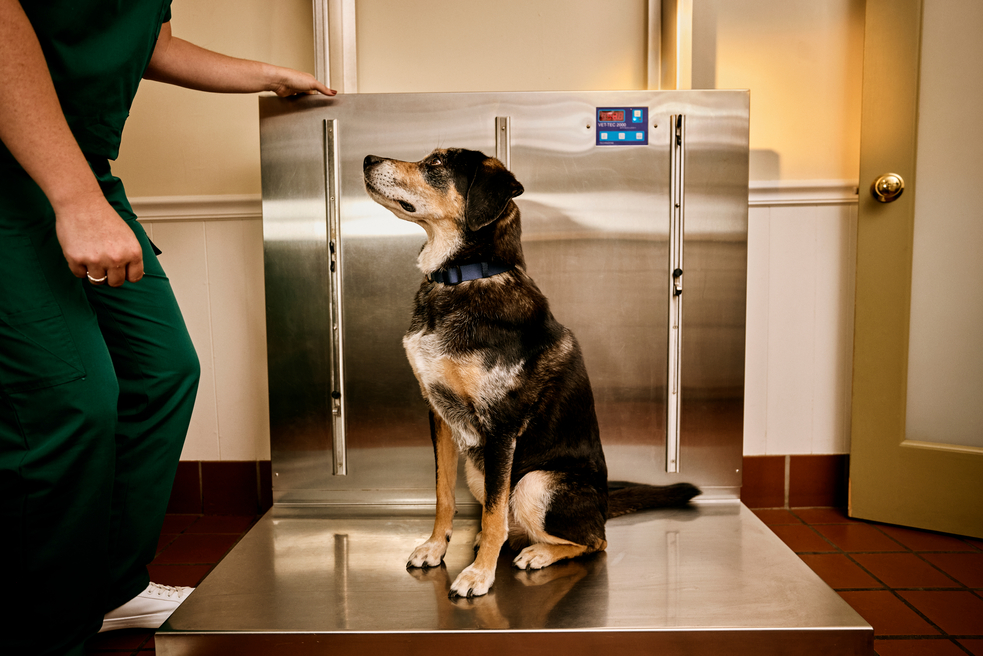
As noted above, research shows that lean dogs can live up to 2.5 years longer than overweight ones—and being overweight is associated with ailments including arthritis, chronic kidney disease, bladder and urinary tract disease, liver disease, diabetes, heart failure, high blood pressure, and cancer. Plus, losing weight can improve your dog’s mobility and energy levels.
“It doesn’t take a lot of weight loss to make the pet feel better,” Dr. Ward said. “I really try to emphasize that when I’m talking to [pet owners], because it’s a quality-of-life issue as much as a longevity and disease-prevention issue.”
4. Teach your dog a new skill
Mental enrichment is just as important as physical health, and training is a fantastic way to provide your dog intellectual stimulation. It can also strengthen your bond.
“Training is relationship building,” said Kate LaSala, a certified dog trainer and founder of Rescued by Training. The process of training your dog creates trust, deepening your connection to your best friend and enhancing how you communicate with each other. In this sense, it doesn’t matter whether you teach them pragmatic skills or parlor tricks, as long as you’re learning something together. With every bit of encouragement you give your dog, they’ll feel that love and return it to you—making you both feel good.
Here are six essential training skills for every pet dog:
- “Sit”: Take a Seat
- “Place”: Go Over There
- Recall (“Come” or “Touch”): Come Over Here
- “Leave It”: Don’t Go Over There
- “Drop It”: Let Go of Whatever’s In Your Mouth
- “Wait”: … Wait
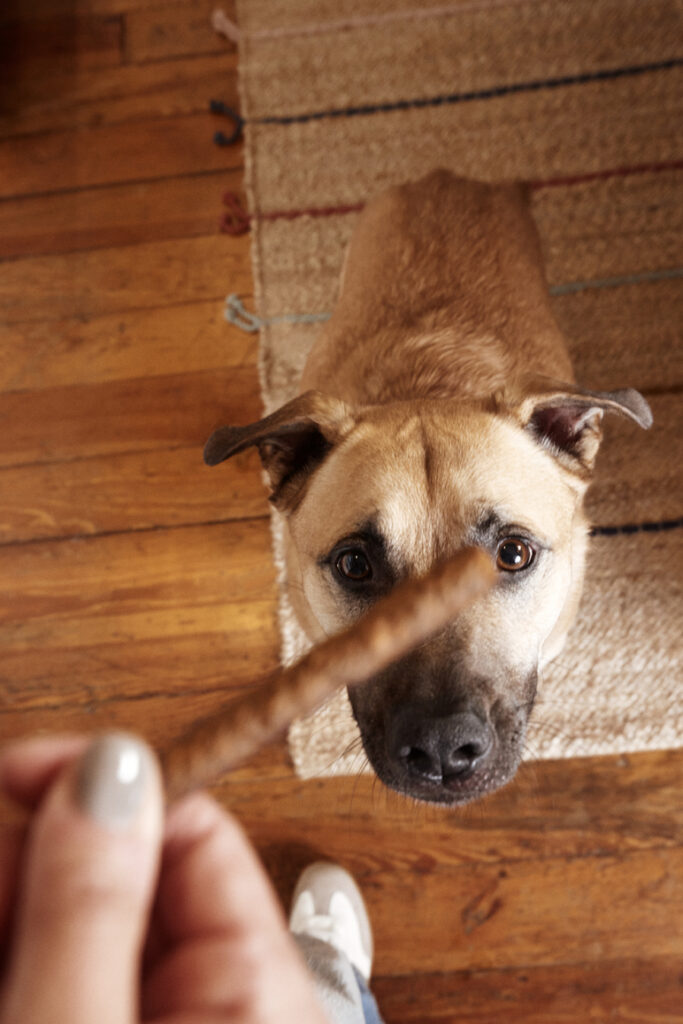
In particular, LaSala recommended that first-timers start with a recall skill, like “touch.” This cue teaches your dog to boop your hand with their nose. While it’s useful for calling for them from across the park or getting them to stand on a scale at the vet’s office, LaSala said it’s also a way for your dog to consent to interacting with other people. For example, someone who wants to pet your dog can use the “touch” cue as a way to gauge their interest in socializing. “I’d rather give that dog an opportunity to opt out and a way to communicate that to us than to force him into a situation where he’s not really comfortable,” LaSala said.
This skill can also be a “quick win,” as it’s relatively simple to learn, according to Katherine Pankratz, DVM, Diplomate of the American College of Veterinary Behaviorists, a veterinary behaviorist at the Animal Behavior Clinic in Portland, Oregon. “‘Touch’ can not only be a fun trick, but also can provide connection and assurance for some dogs,” she said. She also recommended the skill “find it,” where you throw a treat or toy on the ground and ask your dog to…well, find it, training them to direct their attention toward seeking out an object.
Dr. Pankratz said that an additional benefit of training is that it promotes neuroplasticity—or the brain’s ability to adapt to change. And she emphasized the importance of a training practice that doesn’t frustrate you or your dog, so you can both come away feeling satisfied.
5. Measure walks differently
If you find yourself pulling your dog away from spots they won’t stop sniffing because you want both of you to get your steps in, it may be time to reconsider how to approach a walk. Just because it’s called a “walk” doesn’t mean you and your dog must constantly be on the move.
“Reframe the idea of what a successful walk looks like,” LaSala said. Tailor your definition of a successful walk to your dog’s needs. The best way to find this definition is to let your dog dictate the terms of the walk, as long as they’re safe—of course you should prevent your dog from sniffing something dangerous or heading into traffic. It’s likely your definition of success will encompass sensory enrichment from smells and sounds.
While walks do fulfill some physical activity needs, that’s probably not the most valuable thing your dog is getting out of them. “What they’re primarily getting is sensory enrichment from sniffing,” LaSala said. Senior dogs or teacup breeds may meet their physical activity quota from sniffy walks, but more active breeds may require more vigorous exercise than regular strolls.
If your dog isn’t able to walk, you can still get them the benefits of outdoor sniffing. To do this, take them out in a stroller, setting them down every so often for a sniff.
If your dog lingers at every mailbox and street corner to soak up the smells, let them. “Oftentimes walks go at a slow pace, leading the enrichment to be more mental than physical,” Dr. Pankratz said. She recommended thinking of a walk route as a “smell-o-gram.” LaSala went with “sniffari.”
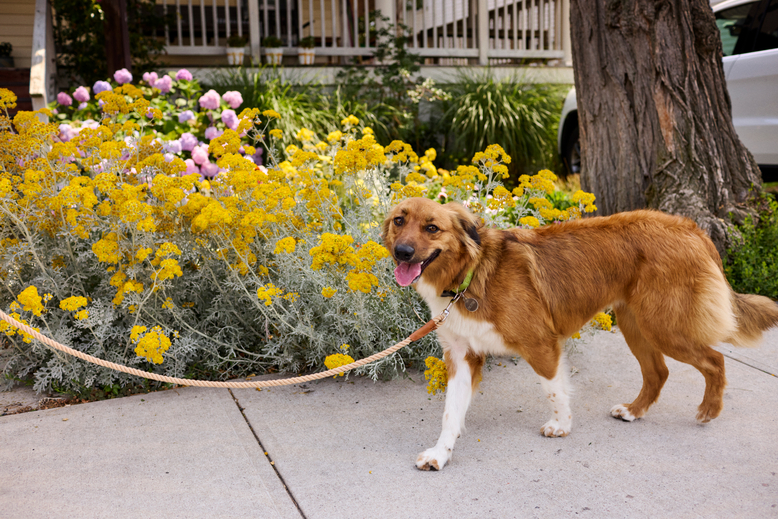
LaSala said that, in the best cases, walks release endorphins and decrease stress-causing cortisol.
None of this is to say measuring walks by distance or steps is wrong—it all depends on what your dog wants. If they’re not power walkers, you may want to measure your walks in how many different things they sniffed, or how long you were both out. That, after all, is the true gift of walking your dog: the time you spend together.
6. Give your dog new experiences
Like people, dogs can get bored. And sometimes a bored dog may seem to act out. “I think a lot of the behavioral issues we see are due to boredom,” said Dr. Manchester of Cornell University.
Novelty can bring a slew of benefits. “Generally for emotionally resilient dogs, novelty can be very enriching and broaden their quality of experiences,” Dr. Pankratz said. She mentioned that newness may stimulate engagement, excitement, social bonding, and problem solving.
But, as with walks, your dog’s abilities and comfort level should dictate their new experiences in the new year. For example, never frighten your dog. If you have a jumpy or easily scared dog, then plunging them into the heart of a big city may not be their idea of a good time.
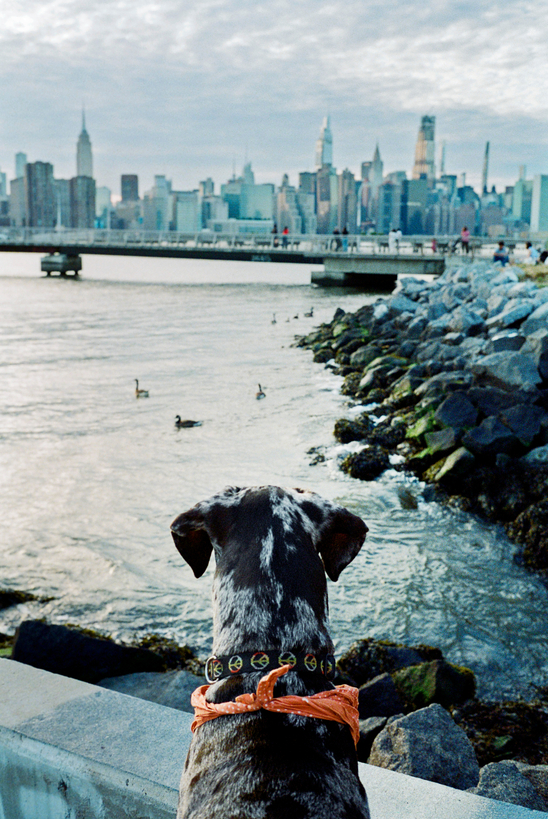
If you’re angling to take your dog for their first hike or beach trip, LaSala recommended planning for optimal conditions—for instance, don’t plan for a Fourth of July weekend when beaches will be packed. Once you’re in the midst of the trial, pay attention to your dog’s body language for signs of fear, anxiety, and discomfort. Make sure you can both easily exit the activity if need be, and have a backup plan in mind. You can also ramp up to a big trip, opting for a walk on a nature trail in preparation for a rugged hike.
Novelty can also come in the form of smaller experiences: a new toy, a new brush, a new treat. “Enriching dogs’ environments doesn’t have to be time-consuming or expensive,” Dr. Manchester said. Even walking in a new park or neighborhood could give your dog’s life a little pizzazz.
7. Listen to your dog
While it’s common for dog owners to talk to their dogs, it’s just as important that we listen to our dogs when they communicate with us. This year, try to listen as much as you talk to your dog.
If you’re not sure how to listen to your dog, you can learn. “Dog body language is a foreign language to us,” LaSala said. “It’s something that we have to learn. We don’t naturally know what a dog is trying to tell us.”
Our dog’s body language, Dr. Pankratz added, is “our biggest insight into their potential behavior and emotional state.” She recommended consulting Fear Free Happy Homes and the book Doggie Language by Lili Chin.
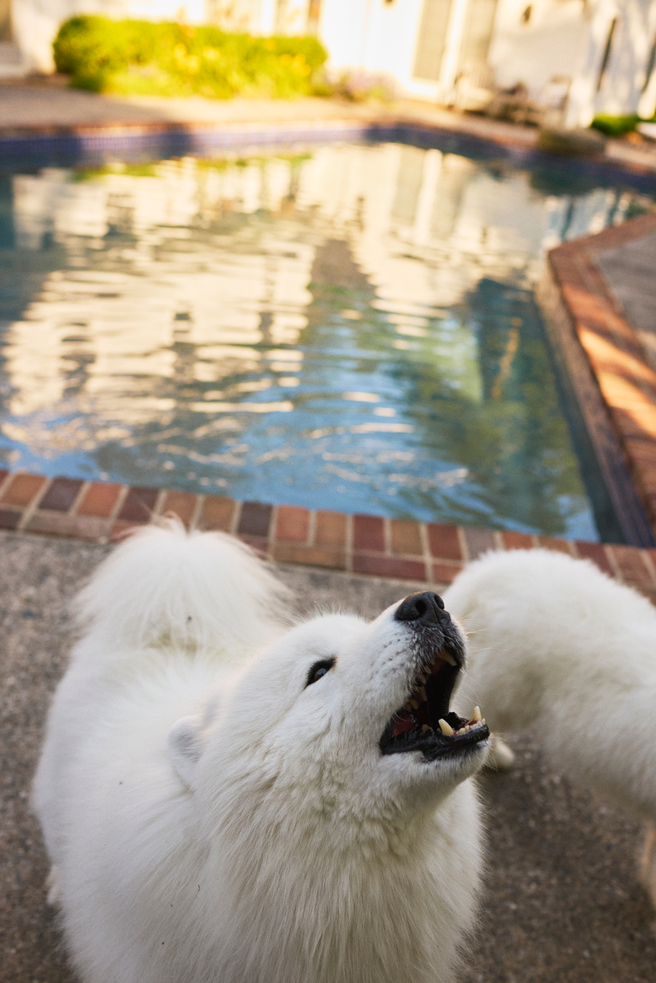
Clocking your dog’s distress signals is important for knowing when they feel uncomfortable or threatened, even before they start to growl or bark. “A lot of dogs will give off low-level signs of communication,” LaSala said. When humans ignore these signs, “the dog feels like, ‘You’re not listening to me.’” That’s when they may feel the need to communicate in a more forthright manner, by barking and snapping.
Listening to your dog can also clue you into health changes. “There’s a really strong connection between behavior and physical health,” LaSala said. Your dog’s body language and behavior can be the canary in the coalmine, alerting you to symptoms that could merit a vet consultation.
Every dog’s communication style is different—LaSala likened it to a “dialect” of body language. If you still think that a wagging tail always indicates happiness or that a dog licking your face is definitely showing affection, LaSala said it’s time to disabuse yourself of these myths and understand the nuances of these signals.
Honing this language also entails quality time with your best friend. “A dedicated few quiet minutes with the dog—petting, brushing, massaging—each day may help identify health issues and improve the animal-human bond,” Dr. Manchester said. As you refine your eye for dog body language, you can pick up on subtler signs, like a change in tail or ear position, intuit their meaning, and scan your surroundings for what may have caused this shift.
Our dogs can’t speak, so we have to learn to listen. This goal can take time, but that just means spending more time with our favorite creatures. And, as LaSala said, “the more you practice, the better you get.”
As you embark on your new year, and whatever goals you have in mind for yourself and your dog, remember to invest in daily efforts that will bring you ever closer to success. “It is really all the tiny, seemingly insignificant repetitions,” Dr. Pankratz said of the way to build a beneficial habit. Whatever you pursue, the key is “slow and steady persistence.”
Related Topics
Related Topics
More on Health & Wellness
Breeds, Health & Wellness, Nutrition, Training & Behavior • 17 minutes
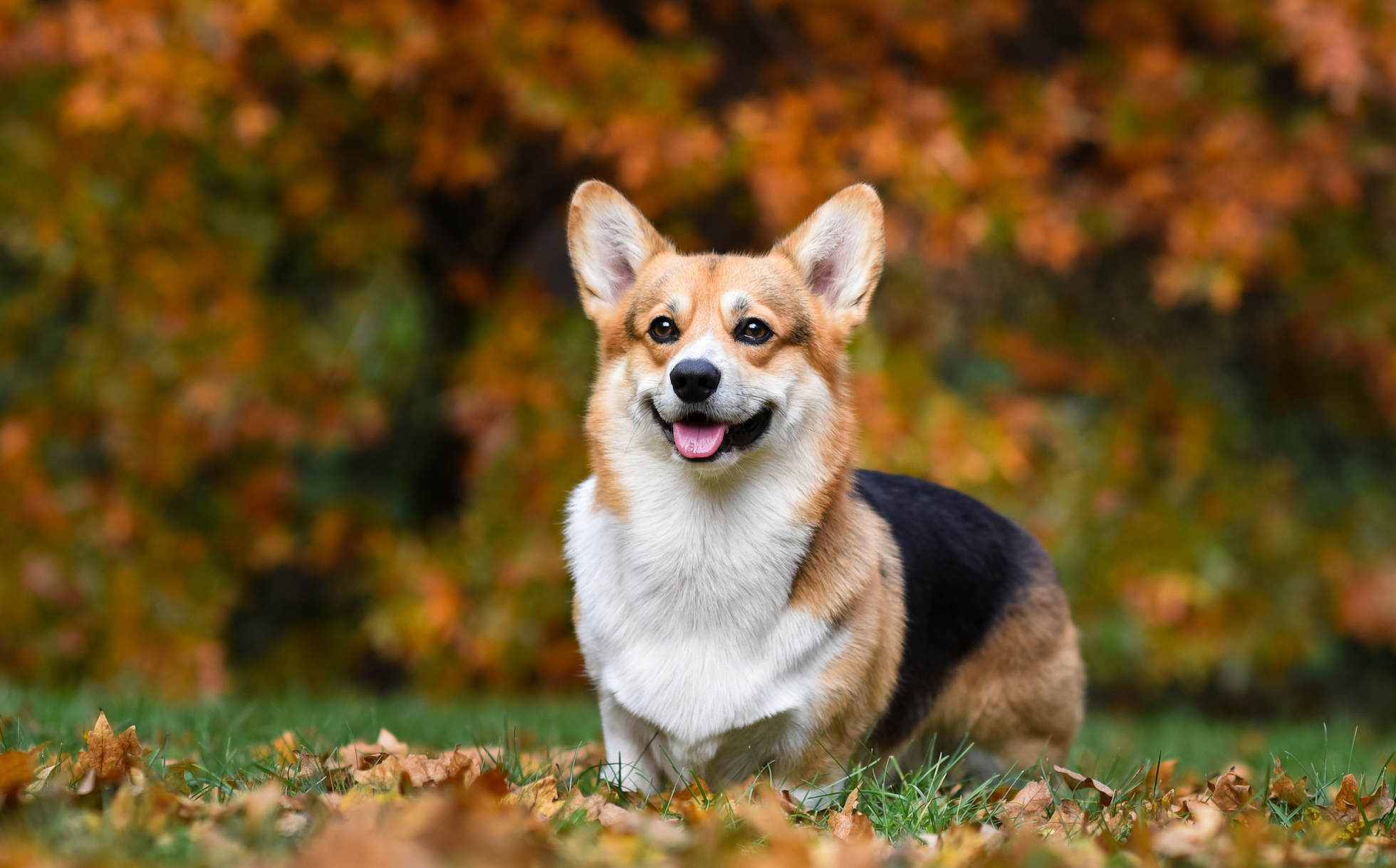
The Corgi Care Guide
Don’t let the tiny legs and infectious smiles fool you—these working dogs need a lot of physical and mental exercise.
Health & Wellness, Nutrition • 14 minutes
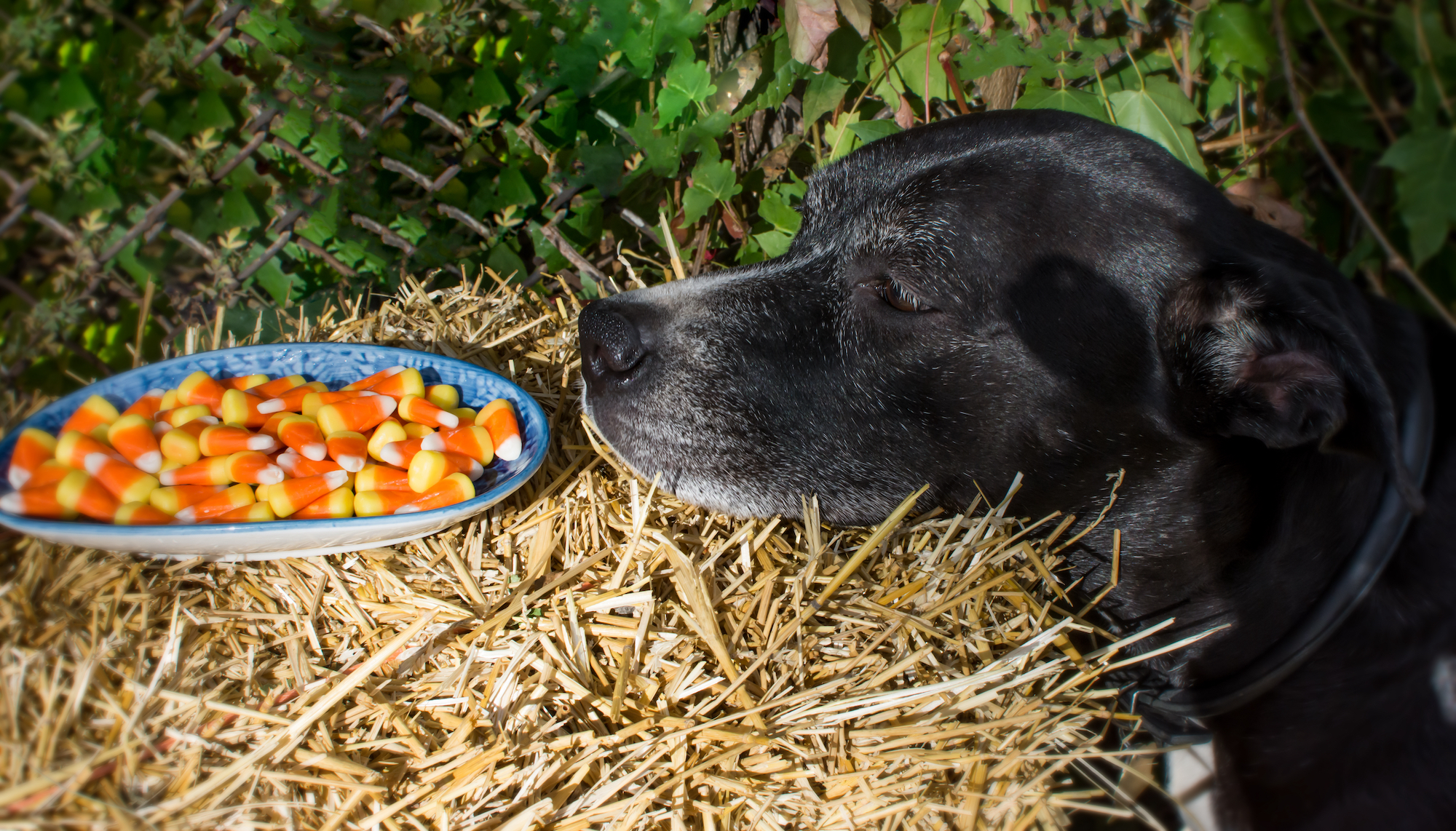
Can My Dog Eat Halloween Candy?
Many spooky-season treats are downright scary for dogs. Here’s how to keep yours safe.
Health & Wellness, Nutrition • 16 minutes
What’s the Best Food for Senior Dogs?
Seniors should receive complete and balanced nutrition that meets their specific health needs—because every dog ages differently.
Breeds, Health & Wellness, Nutrition, Training & Behavior • 17 minutes
The Corgi Care Guide
Don’t let the tiny legs and infectious smiles fool you—these working dogs need a lot of physical and mental exercise.
Health & Wellness, Nutrition • 14 minutes
Can My Dog Eat Halloween Candy?
Many spooky-season treats are downright scary for dogs. Here’s how to keep yours safe.
Health & Wellness, Nutrition • 16 minutes
What’s the Best Food for Senior Dogs?
Seniors should receive complete and balanced nutrition that meets their specific health needs—because every dog ages differently.