Share article:


In this article:
- Why isn’t my dog eating?
- When should I call the vet if my dog won’t eat?
- How long can a dog go without eating?
- Why is my dog not eating, but still drinking water?
- Is my dog sick or just picky?
- What can I give a dog who won’t eat?
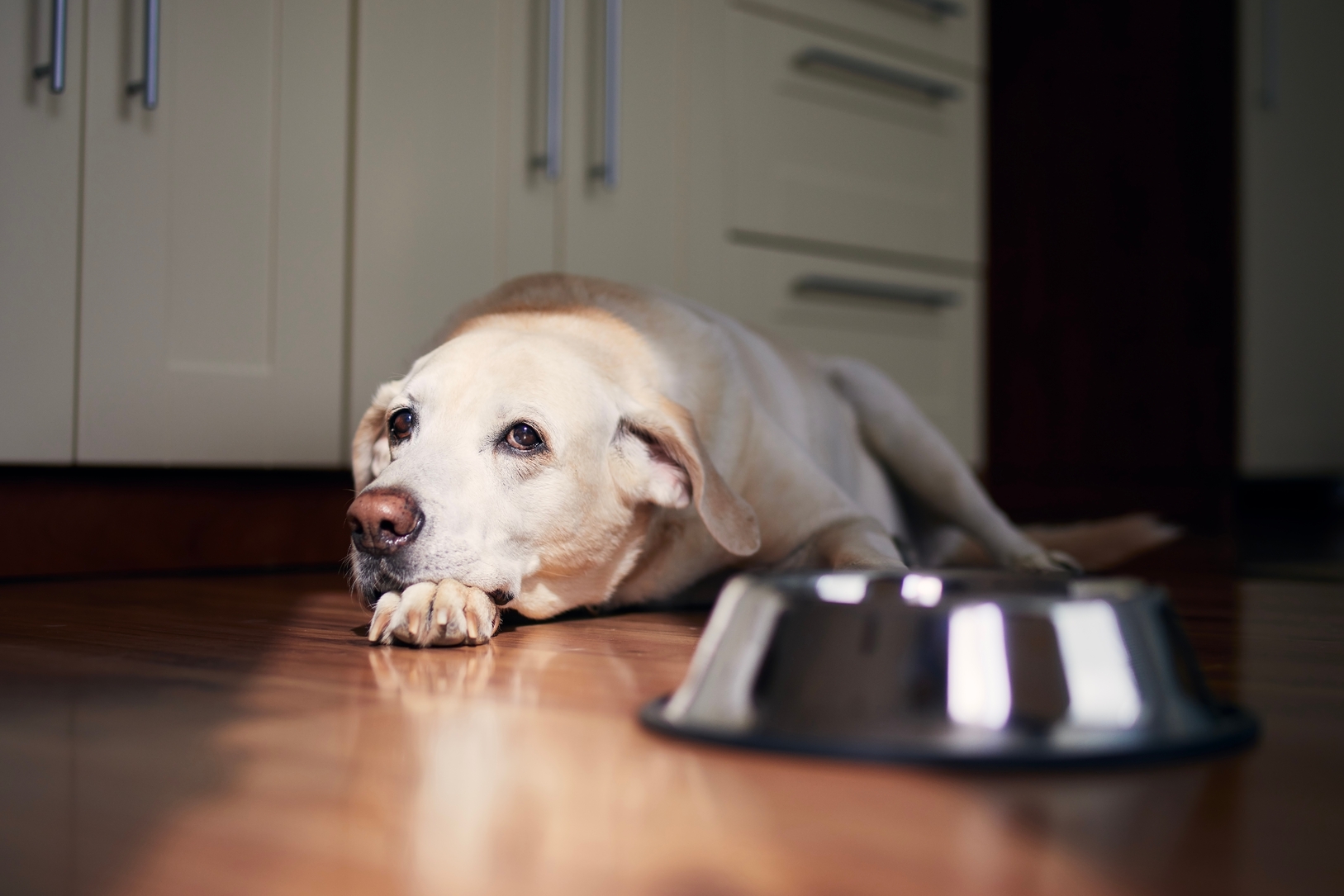
If your dog normally has a hearty appetite, it can be worrying to see them turn down or ignore a meal. While you don’t need to panic if your dog skips a single meal, you should definitely watch them closely for the next 24 hours to see what happens next.
“For a healthy animal not on consistent medication, one missed meal typically is not a concern,” said Nancy Welborn, DVM, an associate professor of community practice at the Louisiana State University School of Veterinary Medicine. “After that, the dog should be assessed by the veterinarian.” The concern for dogs on medication is more about the medication than the missed food itself: Dogs who take daily medication often must take their dose with food, so missing a meal means missing a dose.
Watch for whether your dog will drink water, whether they’ll eat anything other than their usual food, and if they’re displaying any other possible signs of illness. If your dog misses a second meal, get them to the vet even without any other signs of trouble.
Here are the details about what else to watch for, what might cause appetite loss, and how to help a dog who’s lost interest in their food.
Why isn’t my dog eating?
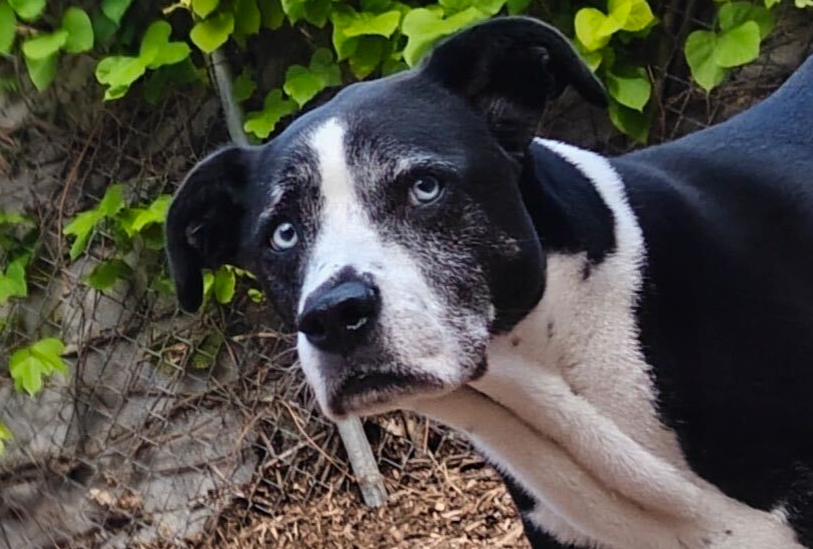
Dogs who normally eat well may seem to lose their appetite for a variety of reasons. Here are some common causes.
Something’s wrong with your dog’s food
It’s possible that something about your dog’s food made them lose their appetite. Perhaps the food is rancid or stale—you can smell it yourself, look at it closely for mold or other contaminants, check the expiration date, and confirm whether it’s been stored properly.
But even if your dog’s food seems fine to you, that doesn’t mean there’s nothing wrong with it. With their acute sense of smell, a dog may detect something that people can’t. If your dog seems to have a problem with a specific batch or serving of food, don’t punish them or force them to eat it—they may have a good reason to avoid it.
Something’s wrong with your dog’s food bowl
Make sure to serve your dog their food in a clean bowl that’s located somewhere they feel safe and comfortable, and let them eat in peace.
While most owners don’t keep up with best practices, the US Food and Drug Administration (FDA) recommends washing dogs’ food bowls and utensils after every meal, just like you do with your human dishes. As far as materials, stainless steel and ceramic bowls are the easiest to keep clean.
If you suspect your dog’s bowl is the issue and you know it’s clean, try using a different one (or type), or move it to a different spot. If your dog has arthritis or another joint condition, make sure their food is on a surface with a good grip so they can eat without straining themselves.

Your dog just isn’t into their food anymore
It’s also possible that your dog has developed an aversion to a particular food (meaning: they don’t like it anymore).
This could come down to preference—dogs, like people, can get bored with a particular food—or arise from association with prior feelings of nausea that may or may not have been caused by the food, according to Amy Nichelason, DVM, Diplomate of the American Board of Veterinary Practitioners (canine and feline practice), a clinical assistant professor of primary care services at the University of Wisconsin–Madison School of Veterinary Medicine.
Your dog also may have learned that not eating can be rewarded with food they prefer, Dr. Nichelason said. For example, if they hold out long enough, they may get some human food instead. The problem with this is that dogs need their primary source of nutrition to be a food that’s complete and balanced according to AAFCO standards, or they’re at risk of serious health complications.
Something upset your dog’s stomach
“Probably the most common reason” for loss of appetite, Dr. Nichelason said, is stomach upset. “Usually it’s because [a dog] ate something naughty.” This could mean they got a stomachache from eating table scraps, a foreign object, or something out of the garbage.
Other causes of stomach upset or severe indigestion include eating high-fat or heavily seasoned foods, said Matt Mason, DVM, a professor of community practice at the Washington State University College of Veterinary Medicine.
Something’s stressing your dog out
Have you ever been so nervous you lost your appetite? The same thing can happen to a dog. Environmental changes, for example, may distress them to the point that they stop eating.
Take stock of anything that might be out of the ordinary for your dog. Maybe there’s noisy construction in your neighborhood, a member of your household has been gone for an extended period of time, another pet isn’t home, or a human or animal guest is staying with you.
If you do identify a source of stress that’s making your dog lose interest in food, try management (like removing the stressor) or desensitization and counterconditioning to help them cope.
There’s a medical concern
Loss of appetite can be a sign of an underlying medical condition. In fact, appetite loss is “probably the most common symptom” vets see, according to Lauren Adelman, DVM, Diplomate of the American College of Veterinary Internal Medicine (Small Animal), an internal medicine specialist at Canada West Veterinary Specialists in Vancouver and co-founder of the Senior Dog Veterinary Society.
However, not eating doesn’t point to any one specific illness or injury. “The list of things that could cause it is sky-high,” said Dr. Nichelason. That’s why it’s important to visit the veterinarian and get your dog examined if you notice this sign.
Having said that, here is a partial list of medical reasons that a dog might stop eating:
- Viral or bacterial infections
- Parasites
- Metabolic diseases (e.g., kidney disease, liver disease, endocrine disease)
- Dental disease
When should I call the vet if my dog won’t eat?
No matter what, call the veterinarian if your dog hasn’t shown an appetite for at least 24 hours.
You should also call the vet right away, no matter how long your dog hasn’t been eating, if they show any of these signs:
- Vomiting or retching
- Diarrhea
- Abdominal pain
- Vocalizing/crying out
- Walking abnormally
- Lethargy
- Bloated or distended stomach
- Pale gums
If your dog goes out to the yard to pee and poop on their own instead of on a walk, then Dr. Nichelason advised going to check if they’ve had diarrhea out there.
While a healthy adult dog who has skipped a meal and isn’t showing any other signs of illness doesn’t need a vet call immediately, Dr. Nichelason said that dogs in more vulnerable groups—puppies, seniors, and dogs with a medical condition—merit more concern. Puppies in particular can’t regulate their blood sugar, so they’re at risk of low blood sugar (hypoglycemia) if they don’t eat as often.
If your healthy adult dog shows none of the above signs and behaves like their typical self, you can likely wait up to 24 hours before calling the vet, watching their behavior and offering them other foods in the meantime. If a day has passed and they’re still not eating, it’s time to call the vet.
If you make a call or go in for a checkup, be prepared to give a detailed history of your dog’s diet, eating habits, and medical conditions. If you go in, then the vet “will proceed with a complete nose-to-tail physical exam to look for any immediate causes,” Dr. Mason said.
If the physical exam doesn’t turn up any apparent cause, Dr. Adelman said the two most important diagnostics are blood work and urinalysis to rule out medical problems, possibly followed by abdominal imaging to investigate the possibility of an obstruction in the digestive tract.
A veterinarian can prescribe treatments like anti-nausea medications or appetite stimulants, “but those are just band-aid treatments,” said Dr. Adelman. “You’re treating the symptom, not the underlying cause.” If your dog is suffering from short-term gastrointestinal distress, these medications may be enough to tide them over, but Dr. Adelman said that they’re “not something [she] would recommend for more severe symptoms or if the dog is very sick.” If symptoms and loss of appetite persist, that’s a sign of more serious illness.
How long can a dog go without eating?
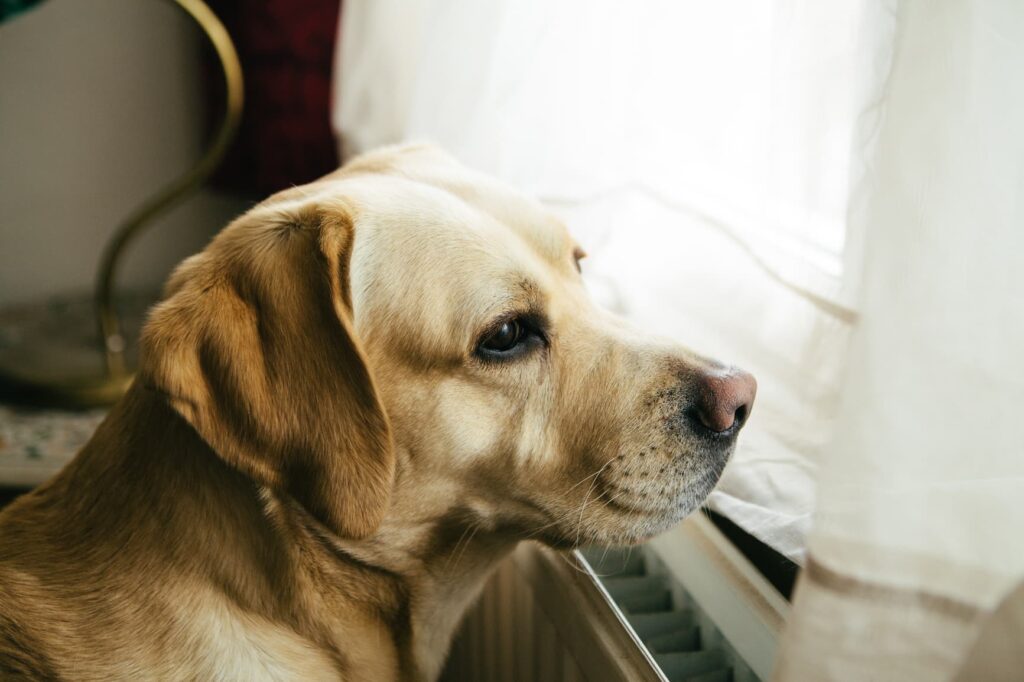
The answer to this question depends on what kind of dog you have and whether they exhibit other signs of illness. A puppy, who needs small meals at least three times a day to regulate their blood sugar, needs attention much sooner than a healthy adult dog. So call the vet right away about a puppy who misses a meal. For an otherwise healthy adult dog, Dr. Nichelason said, “if they’re not eating anything, I would want a phone call within 24 hours.”
Why is my dog not eating, but still drinking water?
Your dog may still drink water even if they’re not eating because they feel nauseated, or because they don’t like their current food.
If your dog is not feeling well, then “making sure [they’re] staying hydrated is really important,” Dr. Nichelason said, because if a dog who doesn’t feel well isn’t eating or drinking, they can become sicker from dehydration. In this case, the fact that they’re voluntarily drinking water means they’re hydrating themselves.
Is my dog sick or just picky?
“That’s the million-dollar question,” Dr. Nichelason said, “because some dogs can really dupe you and put on their sad faces.”
Of course, dogs sometimes don’t like or want a particular food. But you shouldn’t assume that a dog is totally fine and “just being picky” if they’ll eat a favorite treat. According to Alex Schechter, DVM, the founder of Burrwood Veterinary in Royal Oak, Michigan, “We see many dogs with underlying disease that only eat treats.” The bottom line is that if your dog seems less interested in food and you don’t know why, it calls for a conversation with your veterinarian to rule out medical causes.
If you’ve tried many different dog foods to no avail, but your dog still favors treats alone, that could be a sign of illness. Some dogs, even if they feel sick, will push themselves to eat something really tasty.
If picky eating is the issue, we have a guide to strategies that may help your dog regain their zest for mealtime.
What can I give a dog who won’t eat?
Start by warming their food up a bit. For The Farmer’s Dog, we recommend adding just a little bit of warm (not hot!) water. If that doesn’t work, try a new pack of their same diet in case the food you’re giving them is off. If they’re still not eating, offer them some dog treats or a high-value food to see if they’ll eat anything at all.
We should note here that our fresh food is clinically shown to be highly palatable (dogs love to eat it). So, if you’re not already feeding The Farmer’s Dog, you may want to give us a try!
Dr. Nichelason also suggested meat-flavored baby food or unsalted bone broth as a way to entice a dog. Just be very careful to make sure that what you’re feeding is free of onions, garlic, grapes, and other foods that are toxic to your pet. If you have any questions about whether a food is safe for your dog, ask your veterinarian.
You can try mixing the baby food or broth into your dog’s regular food or offering them on their own to test their appetite. Consider preparing some plain, boiled, skinless chicken breast and white rice, but not as your first recourse. “I typically do not advocate going directly to human food, since changing foods frequently can cause an animal to become picky,” said Dr. Welborn.
You can try another dog food, too, but don’t change their diet all at once. Switching to a brand-new diet may result in further gastrointestinal distress, and requires a transition.
However, “it’s really important never to force feed a dog,” said Dr. Adelman. “That can cause even worse inappetence and food aversions, and it’s also potentially dangerous, especially if they’re having vomiting or diarrhea.”
While it’s distressing to see your dog stop eating, there are many possible causes—many of which are fairly easy to resolve. Just pay attention to your dog and contact your veterinarian to make sure they get the help they need.
Related Topics
Related Topics
More on Health & Wellness
Breeds, Health & Wellness, Nutrition, Training & Behavior • 17 minutes
The Corgi Care Guide
Don’t let the tiny legs and infectious smiles fool you—these working dogs need a lot of physical and mental exercise.
Health & Wellness, Nutrition • 14 minutes
Can My Dog Eat Halloween Candy?
Many spooky-season treats are downright scary for dogs. Here’s how to keep yours safe.
Health & Wellness, Nutrition • 16 minutes
What’s the Best Food for Senior Dogs?
Seniors should receive complete and balanced nutrition that meets their specific health needs—because every dog ages differently.
Breeds, Health & Wellness, Nutrition, Training & Behavior • 17 minutes
The Corgi Care Guide
Don’t let the tiny legs and infectious smiles fool you—these working dogs need a lot of physical and mental exercise.
Health & Wellness, Nutrition • 14 minutes
Can My Dog Eat Halloween Candy?
Many spooky-season treats are downright scary for dogs. Here’s how to keep yours safe.
Health & Wellness, Nutrition • 16 minutes
What’s the Best Food for Senior Dogs?
Seniors should receive complete and balanced nutrition that meets their specific health needs—because every dog ages differently.