
Share article:


In this article:
- Which plants are dangerous to dogs?
- Which plants are potentially deadly to dogs?
- Is sago palm toxic to dogs?
- Is fern palm toxic to dogs?
- Is yew toxic to dogs?
- Is oleander toxic to dogs?
- Is foxglove toxic to dogs?
- Is lily of the valley toxic to dogs?
- Is autumn crocus toxic to dogs?
- Are backyard hops toxic to dogs?
- Are grapes toxic to dogs?
- Which plants are moderately toxic to dogs?
- Are rhododendrons toxic to dogs?
- Are azaleas toxic to dogs?
- Are onions toxic to dogs?
- Is garlic toxic to dogs?
- Are chives toxic to dogs?
- Are daffodils toxic to dogs?
- Are tulips toxic to dogs?
- Are hyacinths toxic to dogs?
- Is marijuana toxic to dogs?
- Which plants are mildly toxic to dogs?
- Is English ivy toxic to dogs?
- Is philodendron toxic to dogs?
- Are pothos toxic to dogs?
- Are rubber tree plants toxic to dogs?
- Is rose-of-Sharon (Hibiscus syriacus) toxic to dogs?
- Are thorny plants dangerous to dogs?
- What happens if a dog eats a toxic plant?
- What should I do if my dog eats a toxic plant?
- Which plants are safer for dogs?
- Are orchids safe for dogs?
- Is tropical hibiscus (Hibiscus rosa-sinensis) safe for dogs?
- Are African violets safe for dogs?
- Are ferns safe for dogs?
- Are succulents safe for dogs?
Warmer months may mean longer and more comfortable walks with your dog, perhaps surrounded by plants they’ll want to sniff with their powerful noses. But not all plants are safe for dogs—some of them, even ones commonly found in homes and gardens, can be dangerous. That’s the main reason you shouldn’t let your dog eat plants.
“There are many pets who do not have an interest in eating plants,” said Renee Schmid, DVM, Diplomate of the American Board of Veterinary Toxicology, director and senior veterinary toxicologist at the Pet Poison Helpline, “but if someone’s pet does like to eat them, it is ideal to remove [any dangerous plant] from the environment completely and replace it with safer plants.”
There’s no need to panic or swear off plants entirely. Instead, learn which plants are safe and toxic for dogs, and what to do if your dog eats one, so everyone in your home can coexist in peace and safety. Read on for details. And for more information about whether plants in your home or garden are toxic to dogs, check this list from the Pet Poison Helpline or this one from the American Society for the Prevention of Cruelty to Animals (ASPCA).
Which plants are dangerous to dogs?
Unfortunately, many plants commonly found in homes and gardens are toxic to dogs—so our list isn’t exhaustive. But here are some usual suspects ranked from most to least dangerous.
Very high risk (potentially deadly)
Eating even tiny amounts of these plants can cause rapid, life-threatening organ failure or cardiac arrest. If you think your dog has eaten any part of these plants, get them to an emergency vet right away.
Sago palm (aka fern palm)
Often sold as a tabletop bonsai or used in warm-climate landscaping, this plant is not actually a palm, but a cycad—and it is incredibly dangerous to dogs. Every part of the sago palm is highly toxic, but its orange seeds contain the highest concentration of a toxin called cycasin. Ingesting even a single seed can lead to severe liver failure, drooling, vomiting, and internal bleeding. If you suspect your dog chewed on any part of this plant, treat it as a medical emergency and get to a vet immediately.
Yew
This common evergreen poses a poisonous threat to animals including dogs and humans. Every part of the plant, including its red berries, is extremely poisonous due to compounds called taxines, which interfere with electrolyte levels in the heart. Varieties include the Japanese, English, and Chinese yew. Even a tiny amount of yew can be deadly, so keep your dog away from the plant and get them to a vet ASAP if you think they might have ingested any of it.
Oleander, foxglove, and lily of the valley
These garden staples contain naturally occurring compounds called cardiac glycosides. Just like those in the yew tree, these chemicals directly interfere with the electrical system of your dog’s heart. Eating the leaves, flowers, or seeds can cause severe vomiting, a drastically slowed or irregular heart rate, tremors, and collapse. Because these plants are so potent, it’s safest to keep them out of your yard entirely.
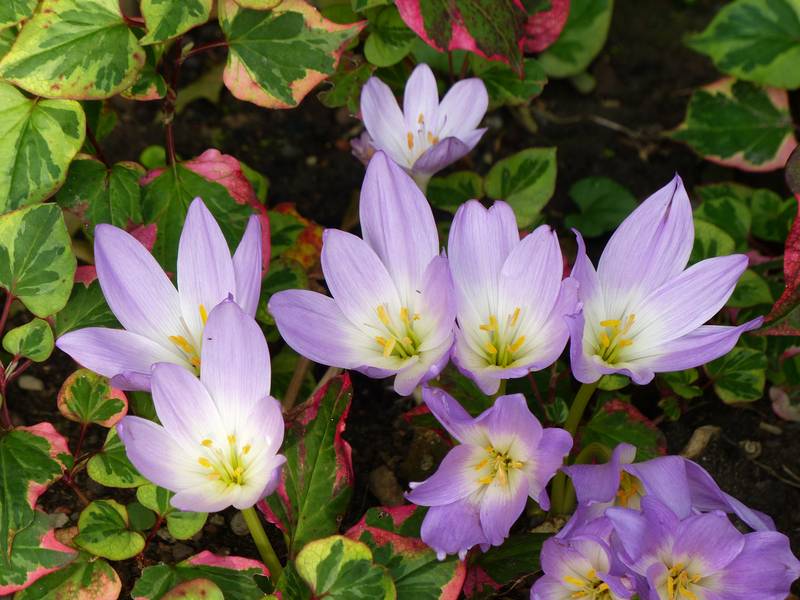
Autumn crocus
These flowers grow from bulbs and bloom in the fall. Every part of the plant contains natural compounds called alkaloid toxins, ingestion of which can result in severe poisoning that leads to gastrointestinal upset, organ failure, shock, blood cell abnormalities, and death.
Backyard hops
Fresh or spent hops—the flowers used to flavor beer—can trigger a rapid, life-threatening spike in body temperature along with panting, agitation, and seizures if ingested by dogs. If your dog eats these, get them to a vet right away.
Grapes
Grapes are highly toxic to dogs. Eating them can cause acute kidney damage, according to the Cornell University College of Veterinary Medicine. Their high concentrations of compounds called tartaric acid and potassium bitartrate are most likely the cause. If your dog has eaten a grape, they may vomit, have diarrhea, lose their appetite, drool, and seem sluggish. Signs over the course of three days may include weakness, swelling in the limbs, seizures, and the inability to urinate, which signals kidney failure. Whether you grow grapes or keep them around the house, go straight to the vet if your dog eats one. It’s important to note that even a single grape can be deadly for even a large dog—their toxicity is not as predictable as that of something like chocolate. So if you think your dog ate a grape, consider it a medical emergency and get them to a vet right away.
Moderate to severe risk
If your dog eats any of these plants, seek prompt medical advice from a professional. While they can cause serious systemic illness or organ damage, severity often depends on the dose. Call your veterinarian or the Pet Poison Helpline or ASPCA right away.
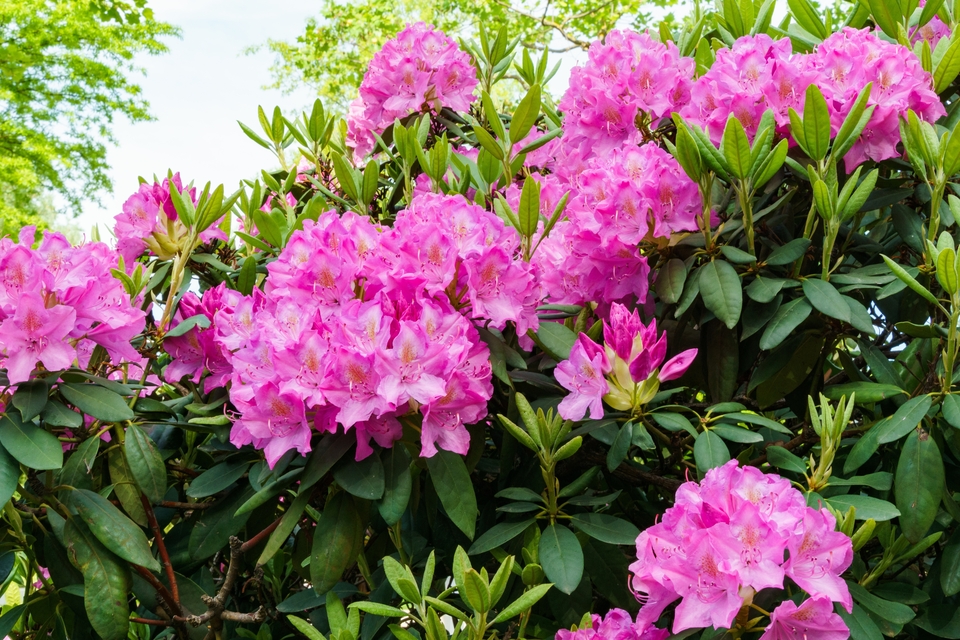
Rhododendrons, including azaleas
Rhododendrons, including azaleas, are shrubs whose every part is toxic to dogs. Ingesting an amount equivalent to as little as 0.2% of a dog’s body weight can result in poisoning. Signs that a dog has been poisoned by a rhododendron include drooling, vomiting, diarrhea, abnormal heart rate, weakness, and tremors.
Onions, garlic, and chives
If you maintain a home vegetable garden or brew your own beer, keep your dog away from your harvest. Onions, garlic, and chives contain compounds that cause oxidative damage to a dog’s red blood cells, which can lead to a dangerous form of anemia. You’ll want to fence these plants off, too.
Daffodil bulbs
These springtime flowers contain alkaloid toxins throughout, but have the highest concentration in their bulbs, ingestion of which may lead to severe vomiting as well as weakness, shock, and profound dehydration.
Tulip and hyacinth bulbs
These flowers also contain high concentrations of alkaloid toxins in their bulbs. When chewed or ingested in large quantities—often if a dog digs up freshly planted bulbs or gets into a large bag of them—clinical signs may include drooling, vomiting, or diarrhea. Particularly severe symptoms include increased heart rate and difficulty breathing.
Marijuana
Cannabis has become one of the most common botanical reasons dogs end up at the veterinary clinic. Whether your dog nibbles on the raw plant or finds a discarded product, THC is toxic to them. A dog intoxicated by cannabis will typically appear sluggish and uncoordinated, stumble while walking, and exhibit a classic sign: urinary incontinence. While ingesting cannabis is rarely fatal on its own, your dog will need supportive care from a veterinarian to stay safe and stable while its effects wear off.
Mild to moderate irritants
These plants usually cause irritation or self-limiting gastrointestinal upset in dogs who ingest them; an ER visit is rarely needed unless vomiting is profuse or prolonged. Still, call your veterinarian for guidance if your dog eats any of these.
English ivy
Leaves and berries of this ivy plant contain toxins called pentacyclic terpenoids. If your dog eats them, they may drool, vomit, or have diarrhea.
Philodendron and pothos
These popular, creeping houseplants contain microscopic calcium oxalate crystals that are released when a dog chews its leaves, irritating their lips, mouth, and throat. Drooling, gagging, and vomiting commonly follow. Rarely, dogs who chew this plant may experience throat irritation that results in difficulty breathing.
Rubber tree plants
This type of ficus may cause irritation to the mouth and gastrointestinal tract if ingested. Rubber tree plants, along with many other Ficus plants, also have sap that may irritate your dog’s skin.
Rose-of-Sharon (Hibiscus syriacus)
While standard Hibiscus rosa-sinensis is non-toxic, rose-of-Sharon (Hibiscus syriacus), which belongs to the same genus and is a common yard shrub, can cause significant vomiting, diarrhea, and loss of appetite in dogs if consumed in large quantities.
Not toxic, but still dangerous: thorny plants
Poison isn’t the only reason plants can be dangerous. Thorny and spined plants like rose bushes, various types of cacti, and Bougainvillea all grow spikes that could seriously hurt your dog, whether they step on one or run head-first into a shrub.
What happens if a dog eats a toxic plant?
Knowing the signs of intoxication can help you get your dog the care they need as soon as possible, improving the chances of a good outcome. If you notice any of these signs, call a vet or helpline right away—but don’t panic; “toxic” doesn’t always mean “deadly,” and dogs who receive treatment quickly often recover.
“Vomiting is probably the most common first sign, followed by a decrease in appetite and sluggishness,” said Dr. Schmid. Other common signs include drooling and diarrhea, while behavioral signs may include lethargy.
And, as the adage goes, the dose makes the poison; your dog’s reaction to ingesting a toxic plant may depend on how much they have ingested. In some cases, as with yew, chewing even a small amount of any part of a plant may be fatal. But in other cases, as with tulip bulbs, it may take ingestion of large quantities to provoke a reaction.
A dog’s size also affects the dose: “A larger dog can usually ingest more than a small dog, but it is difficult to easily say the amount for each,” Dr. Schmid said.
The speed of intoxication also varies by plant. “Depending on the plant, signs can be seen in less than an hour, or as late as eight [or more] hours after ingestion,” she said.
What should I do if my dog has chewed or ingested a toxic plant?
If you saw your dog ingest a toxic plant, call your veterinarian or the Pet Poison Helpline ($89 incident fee applies) or the ASPCA right away for guidance.
One or two episodes of vomiting, Dr. Schmid said, can be monitored at home. But if it continues beyond that, or is accompanied by other signs, take action. If your dog is having difficulty walking, seizures, or profuse vomiting/diarrhea, take them to the vet or emergency room—and call the Pet Poison Helpline on the way.
Which plants are safer for dogs?
Many household plants are safer for dogs to ingest than others, in that they’re not toxic to them. But it’s best to prevent your dog from eating any plants that aren’t vegetables in their food. “Any [plant] can cause a stomach upset,” Dr. Schmid said. Having said that, here are some common plants that pose little risk to most healthy dogs.
Orchids
Orchids from the common Phalaenopsis genus aren’t toxic to dogs, according to Dr. Schmid and the ASPCA.
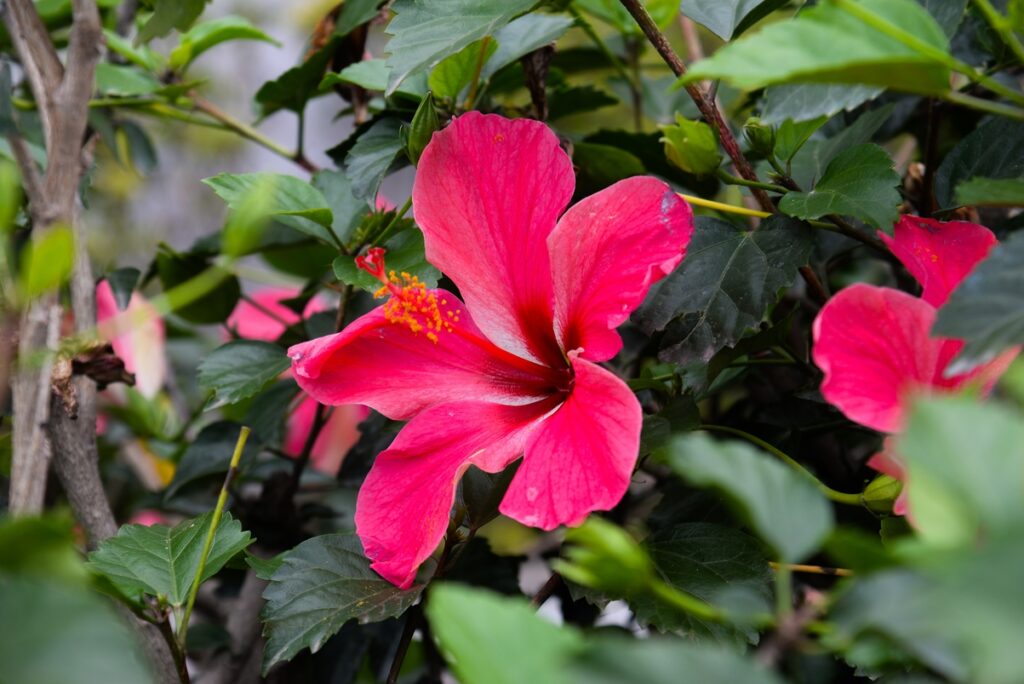
Tropical hibiscus (Hibiscus rosa-sinensis)
This iconic flowering plant, Dr. Schmid said, is safe for dogs—as long as it’s of the aforementioned Hibiscus rosa-sinensis variety and not the toxic rose-of-Sharon (Hibiscus syriacus).
African violets
African violets are not toxic to dogs.
Many ferns
Many ferns are safe for dogs—though exceptions include the mildly toxic asparagus fern and life-threateningly toxic sago or fern palm and bracken fern.
Most succulents
Succulents that are non-toxic to dogs include the Chinese money plant, hens and chicks, variegated wax plant, and bunny ear cactus, according to the ASPCA. Toxic varieties include jade plants, pencil cactus, string of pearls, and mother-in-law’s tongue. Check to make sure the kind you choose is safe.
The above covers just a small fraction of the many plants you and your dog may encounter out in the world, but it lays a foundation for keeping your best friend safe. With a little caution, you can both safely stop and smell the roses (and other nontoxic vegetation).
Related Topics
Related Topics
More on Health & Wellness
Health & Wellness, Nutrition • 16 minutes
What’s the Best Food for Senior Dogs?
Seniors should receive complete and balanced nutrition that meets their specific health needs—because every dog ages differently.

Health & Wellness • 9 minutes
When Should I Spay or Neuter My Dog?
Talk through the timing with your veterinarian.
Health & Wellness, Training & Behavior • 8 minutes
Why Do Dogs Love to Roll in Smelly Things?
Here’s where they get their passion for pungency, and what to do about it.
Health & Wellness, Nutrition • 16 minutes
What’s the Best Food for Senior Dogs?
Seniors should receive complete and balanced nutrition that meets their specific health needs—because every dog ages differently.
Health & Wellness • 9 minutes
When Should I Spay or Neuter My Dog?
Talk through the timing with your veterinarian.
Health & Wellness, Training & Behavior • 8 minutes
Why Do Dogs Love to Roll in Smelly Things?
Here’s where they get their passion for pungency, and what to do about it.